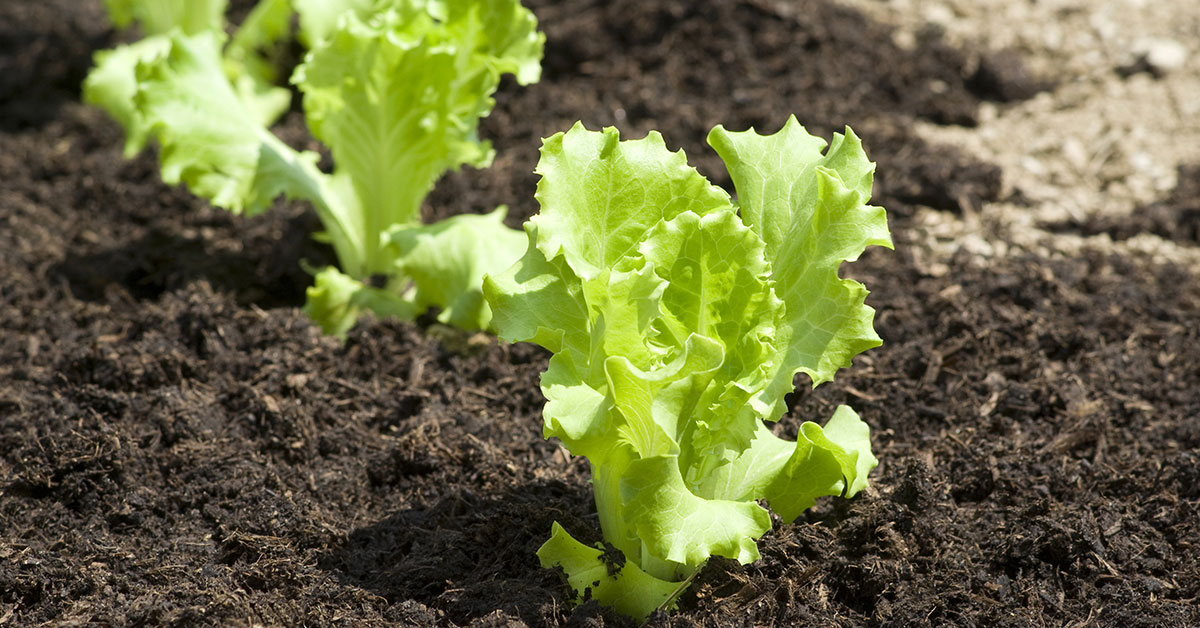

Are you a gardening enthusiast wanting to grow lettuce in West Virginia? Well, you’re in luck! Lettuce is a versatile and nutritious leafy green that thrives in the cool climate of West Virginia. To ensure a successful lettuce crop, it is crucial to understand the best time to plant this delightful vegetable.
In this article, we will delve into the ideal planting times for lettuce in West Virginia, taking into account the state’s unique climate and growing conditions. Whether you’re a seasoned gardener or a beginner, this guide will equip you with the knowledge needed to cultivate a bountiful lettuce harvest in the Mountain State.
Best lettuce varieties to grow in West Virginia
In West Virginia, there are several lettuce varieties that perform well in the region’s climate. Here are some popular options:
- Buttercrunch: This variety is known for its sweet, buttery flavor and crisp texture. It forms loose heads with soft, dark green leaves.
- Black Seeded Simpson: This lettuce has light green, curly leaves that are tender and mild-tasting. It is a fast-growing variety and can be harvested at the baby leaf stage or allowed to mature into loose heads.
- Romaine: Romaine lettuce is a classic choice, with its elongated, upright heads and crisp leaves. It has a slightly bitter taste and is perfect for salads, sandwiches, or grilling.
- Red Leaf Lettuce: Red leaf lettuce varieties, like ‘Red Sails’ or ‘Red Salad Bowl,’ add color and variety to your garden. They have delicate, frilly leaves with a mild flavor.
- Bibb or Boston Lettuce: These varieties, such as ‘Butterhead’ or ‘Buttercrunch,’ have tender, buttery leaves that form loose heads. They are great for salads, sandwiches, or lettuce wraps.
When selecting lettuce varieties, consider your preference for taste, texture, and growth habit. Additionally, choose varieties that are resistant to common diseases in your area.
When to plant Lettuce in West Virginia
West Virginia, like any other state, is divided into several hardiness zones that determine the types of plants that can thrive in a particular area. These zones are based on the average annual minimum temperature and help gardeners understand which plants are best suited for their region. In West Virginia, the hardiness zones range from zone 5b to zone 7a.
Zone 5b covers the northernmost parts of the state, including areas like Morgantown and Wheeling. This zone experiences average minimum temperatures between -15°F (-26°C) and -10°F (-23°C). Zone 6a covers much of central West Virginia, including Charleston and Huntington, with average minimum temperatures ranging from -10°F (-23°C) to -5°F (-21°C). Zone 6b covers a small portion of the state, including areas like Beckley, with average minimum temperatures between -5°F (-21°C) and 0°F (-18°C). Zone 7a, the warmest zone in West Virginia, covers the southernmost parts of the state, including areas like Bluefield, with average minimum temperatures from 0°F (-18°C) to 5°F (-15°C).
Now, let’s talk about when is the best time to plant lettuce in West Virginia. Lettuce is a cool-season crop that prefers moderate temperatures and does not tolerate extreme heat. To ensure successful growth, it’s important to plant lettuce during the appropriate time for each hardiness zone.
In zone 5b, the best time to plant lettuce outdoors is in early spring, typically around late March or early April. However, you can also start lettuce seeds indoors 4-6 weeks before the last frost date and then transplant them into the garden once the soil is workable.
In zone 6a, you can follow a similar planting schedule as zone 5b. Plant lettuce outdoors in early spring or start seeds indoors before the last frost date. You may also have success with a fall planting, as lettuce can tolerate cooler temperatures.
In zone 6b, the best time to plant lettuce is typically in early spring, around late March or early April. Similarly, a fall planting can be attempted, but be aware of the shorter growing season in this zone.
In zone 7a, lettuce can be planted in both early spring and fall. For spring planting, aim for late February to early March, while for a fall crop, plant in late August to early September. However, keep in mind that lettuce may bolt or become bitter if exposed to prolonged heat, so providing shade or using heat-tolerant varieties can help extend the growing season.
Remember, these are general guidelines, and it’s always a good idea to check the specific recommendations for your exact location and microclimate.
When to harvest Lettuce in West Virginia
The optimal time to harvest lettuce in West Virginia is typically in the late spring or early summer. Lettuce prefers cooler temperatures, so aim to harvest it before the weather becomes too hot and humid. This usually means harvesting lettuce in May or early June. However, the specific timing can vary depending on the variety of lettuce you are growing and the weather conditions in a given year. Keep an eye on the maturity dates provided by the seed packet or consult with a local gardening expert for more precise recommendations. Additionally, you can practice successive planting to extend your lettuce harvest throughout the growing season.
Other considerations
When growing lettuce in West Virginia, there are a few additional considerations to keep in mind:
- Climate: West Virginia has a humid continental climate, characterized by hot summers and cold winters. Lettuce is a cool-season crop and prefers temperatures between 60-70°F (15-21°C). To ensure successful growth, it is best to plan your lettuce planting around the spring and fall seasons when temperatures are cooler.
- Soil: Lettuce thrives in well-draining, fertile soil. Before planting, amend your soil with organic matter such as compost or well-rotted manure to improve its fertility and moisture-retention capacity. Aim for a slightly acidic to neutral pH level of 6.0-7.0.
- Sunlight: Lettuce prefers partial shade to full sun, especially during the warmer months. However, in West Virginia, providing some shade during the hotter parts of the day can help prevent the lettuce from bolting (going to seed) prematurely.
- Watering: Adequate and consistent moisture is crucial for lettuce growth. Water your lettuce plants regularly, aiming for about 1 inch of water per week. Avoid overhead watering to prevent the spread of diseases like powdery mildew. Instead, water at the base of the plants or use a drip irrigation system.
- Pest and Disease Management: Keep an eye out for common pests such as aphids, slugs, and snails. Regularly inspect your plants and take necessary measures such as handpicking or using organic insecticides to control pest populations. Additionally, be vigilant for diseases like downy mildew and lettuce mosaic virus. Rotate your lettuce crops each year to reduce the risk of disease buildup in the soil.
- Succession Planting: To ensure a continuous harvest, consider practicing succession planting. Sow lettuce seeds every couple of weeks, staggering the plantings, so you have a fresh supply of lettuce throughout the growing season.
- Mulching: Applying a layer of organic mulch, such as straw or shredded leaves, around your lettuce plants can help conserve moisture, suppress weed growth, and maintain a more consistent soil temperature.
By considering these factors and providing proper care, you can enjoy a successful lettuce harvest in West Virginia.