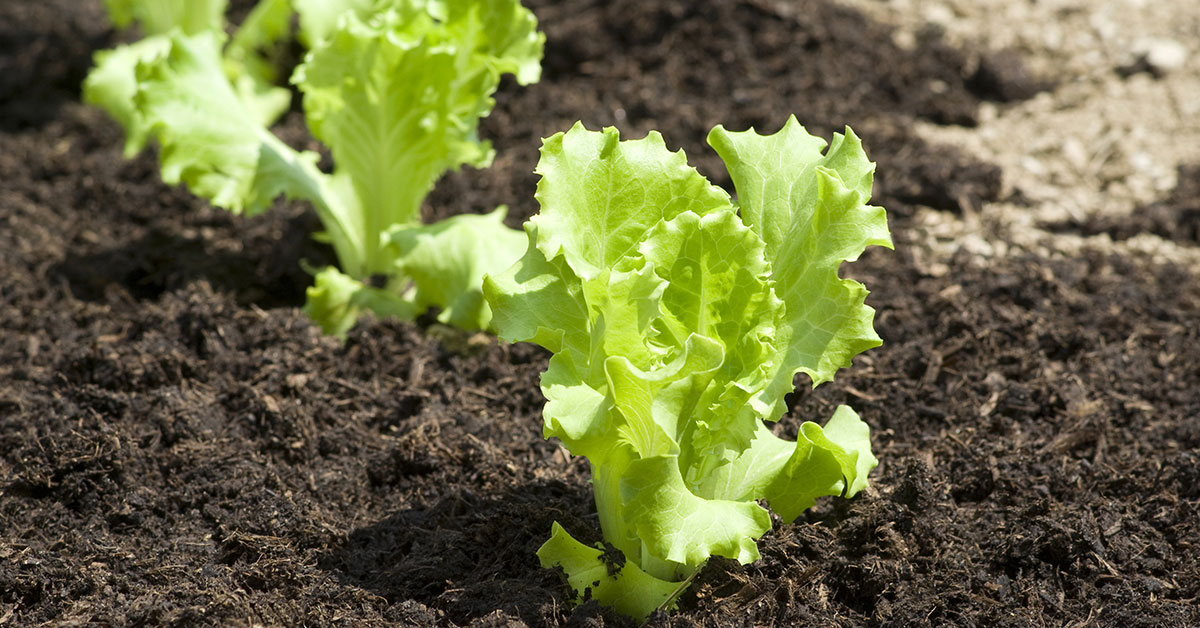

Are you ready to embark on a delicious journey of growing your own lettuce in Wisconsin? Whether you’re a seasoned gardener or a beginner, understanding the best time to plant lettuce is crucial for a successful harvest.
As a cool-season crop, lettuce thrives in Wisconsin’s moderate climate, but timing is key. In this article, we will delve into the ideal planting season for lettuce, taking into consideration the state’s frost dates, temperature fluctuations, and various lettuce varieties.
By following our expert recommendations, you’ll be well-equipped to cultivate a bountiful lettuce crop that will add freshness and nutrition to your meals throughout the year.
Best lettuce varieties to grow in Wisconsin
In Wisconsin, some good varieties of lettuce that perform well include:
- Butterhead Lettuce: Varieties like ‘Bibb’ and ‘Buttercrunch’ are popular choices. They have tender leaves with a mild flavor and form loose heads.
- Romaine Lettuce: Varieties such as ‘Green Towers’ and ‘Little Gem’ are great options. Romaine lettuce has crisp, upright leaves and a slightly stronger flavor than butterhead lettuce.
- Loose Leaf Lettuce: Varieties like ‘Red Sails’ and ‘Black-Seeded Simpson’ are well-suited for Wisconsin’s climate. Loose leaf lettuce is easy to grow and can be harvested by picking individual leaves, allowing for continuous production throughout the season.
- Crisphead Lettuce: Varieties like ‘Iceberg’ and ‘Great Lakes’ are classic choices for those who enjoy a crunchy texture. However, crisphead lettuce can be more challenging to grow in Wisconsin due to its longer growing season requirements.
Remember to select lettuce varieties that are cold-tolerant and suitable for early spring or fall planting in Wisconsin. It’s also a good idea to consult with local nurseries or cooperative extension offices for specific recommendations based on your location within the state.
When to plant Lettuce in Wisconsin
Wisconsin, like many other states, is divided into different hardiness zones based on its climate and average minimum winter temperatures. The hardiness zones help gardeners determine which plants are most likely to thrive in their specific region. In Wisconsin, the hardiness zones range from zone 3a in the northern parts of the state to zone 6a in the southern regions.
When it comes to planting lettuce in Wisconsin, it is important to consider the average frost dates and temperature ranges in your specific hardiness zone. Lettuce is a cool-season crop that prefers temperatures between 45°F (7°C) and 75°F (24°C). It is typically recommended to sow lettuce seeds directly in the garden when the soil temperature reaches around 40°F (4°C), which usually occurs in early spring.
In southern Wisconsin, which falls under zone 5a and 5b, the best time to plant lettuce is generally in April or early May. However, it is important to monitor the weather and soil conditions, as lettuce seeds may not germinate well in cold, wet soil. Planting can be delayed if the soil is still too cold or if there is a risk of late spring frosts.
In central Wisconsin, which falls under zone 4b and 4a, the best time to plant lettuce is typically in late April or early May. Again, it is important to monitor the weather and soil conditions, as these can vary from year to year.
In northern Wisconsin, which falls under zone 3b and 3a, the growing season is shorter and the climate is colder. It is recommended to start lettuce seeds indoors, 4-6 weeks before the last expected frost date. Transplanting the seedlings outdoors can occur in late May or early June, once the soil has warmed up sufficiently.
It is worth noting that lettuce can tolerate some light frosts, but prolonged exposure to freezing temperatures can damage or kill the plants. Providing some protection, such as row covers or cold frames, can help extend the growing season and provide a longer harvest.
In summary, the best time to plant lettuce in Wisconsin varies depending on your specific hardiness zone. Generally, it is best to plant lettuce when the soil temperature reaches around 40°F (4°C) in early spring. Monitor the weather and soil conditions to ensure optimal growing conditions for your lettuce crop.
When to harvest Lettuce in Wisconsin
The optimal time to harvest lettuce in Wisconsin is typically in the late spring or early summer, before the hot weather of mid-summer sets in. Lettuce prefers cooler temperatures and can be harvested when the leaves are mature and before they become bitter or bolt (produce a flower stalk). This usually occurs around 50 to 70 days after sowing the seeds, depending on the variety. It is best to monitor the growth of your lettuce plants and harvest them when the leaves are full-sized and the heads are firm, but before they start to wilt or turn yellow.
Other considerations
When growing lettuce in Wisconsin, there are several additional considerations to keep in mind:
- Cold Tolerance: Lettuce is a cool-season crop, but it can be susceptible to frost damage. Choose cold-tolerant varieties or use protective measures like row covers or cold frames to extend the growing season.
- Timing: Start lettuce seeds indoors around 4-6 weeks before the last frost date in spring. Transplant the seedlings outdoors when the soil temperature reaches around 40-50°F (4-10°C). For a fall crop, start seeds indoors in late summer or direct sow in early to mid-summer.
- Soil Preparation: Lettuce prefers well-draining soil with a pH between 6.0-7.0. Amend heavy clay soils with organic matter like compost to improve drainage. Conduct a soil test to determine if any additional amendments, such as lime or fertilizer, are needed.
- Sun Exposure: While lettuce appreciates some shade during hot summer months, it still requires a minimum of 4-6 hours of direct sunlight daily for optimal growth. Choose a location that provides partial shade in the afternoon or use shade cloth to protect plants during heatwaves.
- Watering: Consistent moisture is crucial for lettuce, but avoid overwatering as it can lead to root rot and other diseases. Water deeply and evenly, keeping the soil consistently moist without becoming waterlogged. Mulching around the plants can help retain moisture and prevent weed growth.
- Pest Management: Keep an eye out for common pests like aphids, slugs, and snails. Regularly inspect plants for signs of infestation and take appropriate measures such as handpicking or using organic pest control methods. Protecting young plants with floating row covers can help prevent pests from reaching them.
- Succession Planting: To maintain a continuous harvest throughout the growing season, consider succession planting lettuce every 2-3 weeks. By sowing new seeds or transplanting new seedlings at regular intervals, you can ensure a steady supply of fresh lettuce.
- Harvesting: Lettuce leaves can be harvested at any stage, from baby greens to full heads. Harvest outer leaves as needed, or cut the entire plant near the soil surface. Regular harvesting promotes continued growth and prevents the plant from bolting (going to seed) prematurely.
By considering these factors, you can increase your chances of successfully growing lettuce in Wisconsin’s climate.