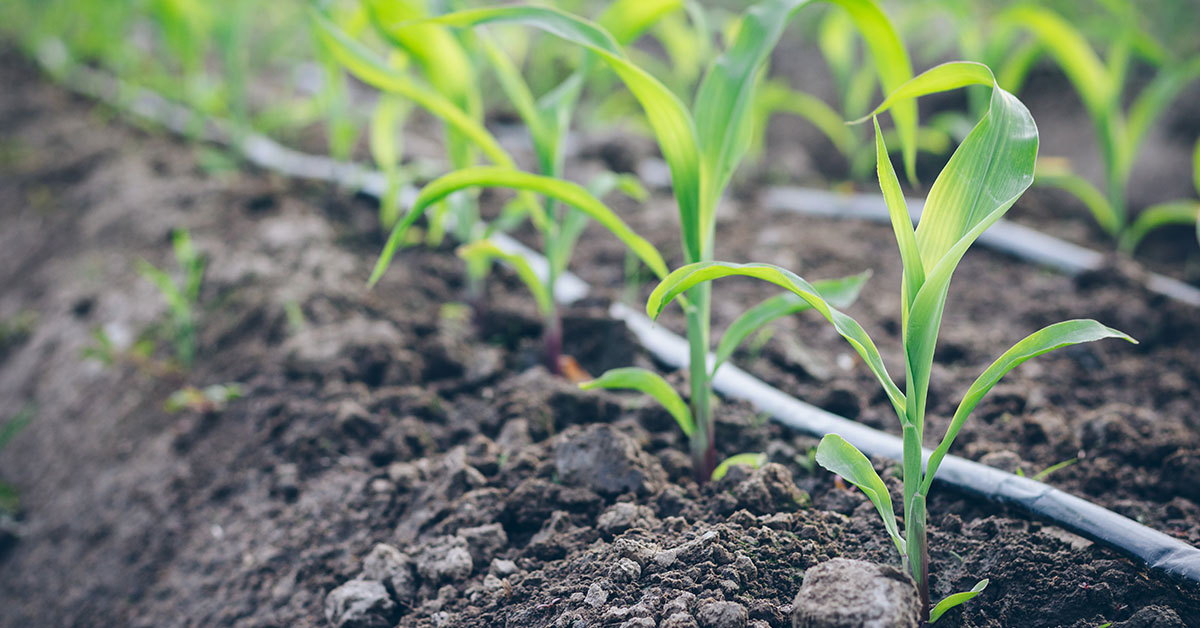

Welcome to our comprehensive guide on the best time to plant corn in Alberta! As an experienced gardener, I understand the importance of timing when it comes to planting crops. Corn, in particular, requires specific conditions to thrive and yield a bountiful harvest.
Alberta’s unique climate presents its own set of challenges, making it crucial to choose the optimal planting window. In this article, we will delve into the ideal time to sow corn in Alberta, taking into account the region’s frost dates, soil temperature, and growing season length.
Whether you are a seasoned farmer or a novice enthusiast, this guide will equip you with the knowledge and confidence to maximize your corn production in Alberta.
Best types of corn to grow in Alberta
In Alberta, some good varieties of corn that thrive well include:
- Alberta Supreme: This variety is specifically developed for Alberta’s shorter growing season. It is an early maturing corn that produces excellent yields and has good disease resistance.
- Early Sunglow: Another early maturing variety, Early Sunglow is known for its sweet and tender kernels. It is a compact plant and can be grown in smaller garden spaces.
- Golden Bantam: This heirloom variety has been popular for decades due to its exceptional flavor. Golden Bantam is a mid-season corn that produces yellow kernels and grows well in Alberta’s climate.
- Peaches and Cream: This variety is known for its bi-color kernels, with both yellow and white colors. Peaches and Cream corn is a mid-season variety that offers a sweet and creamy taste.
- Ambrosia: Ambrosia is a popular corn variety known for its excellent flavor and tenderness. It is a late-season corn that requires a longer growing season but can still be successfully grown in Alberta.
Remember to choose varieties that are suitable for your specific growing conditions, such as soil type, sunlight exposure, and average temperatures. Additionally, consider the maturity dates and select varieties that fit within your growing season length.
When to plant Corn in Alberta
In Alberta, the hardiness zones range from Zone 0 to Zone 5, depending on the region. Here is a breakdown of each province’s hardiness zones:
- Zone 0: This zone is found in the northernmost part of Alberta, particularly in and around Fort McMurray. It experiences extremely cold winters, with average minimum temperatures ranging from -50°F to -40°F (-45°C to -40°C). Gardening in this zone can be challenging, and the growing season is short, typically lasting from late May to early September.
- Zone 1: Located in the northern parts of the province, including Peace River and High Level, Zone 1 experiences cold winters, with average minimum temperatures ranging from -40°F to -30°F (-40°C to -35°C). The growing season is still relatively short, usually lasting from late May to early September.
- Zone 2: This zone covers much of central and northern Alberta, including Edmonton, Red Deer, and Grande Prairie. It has colder winters compared to the southern parts of the province, with average minimum temperatures ranging from -30°F to -20°F (-35°C to -30°C). The growing season in this zone typically starts in late May and ends in mid-September.
- Zone 3: Found in the southern parts of Alberta, such as Calgary, Lethbridge, and Medicine Hat, Zone 3 experiences milder winters compared to the northern regions. Average minimum temperatures range from -20°F to -10°F (-30°C to -23°C). The growing season in this zone starts in late May and extends until early October.
- Zone 4: This zone covers a small area in the southernmost part of Alberta, including Cardston and Waterton Lakes National Park. It has relatively mild winters, with average minimum temperatures ranging from -10°F to 0°F (-23°C to -18°C). The growing season in Zone 4 is longer than in the previous zones and generally starts in mid-May, lasting until late September.
- Zone 5: Located in the extreme southwestern corner of Alberta, around the town of Milk River, Zone 5 experiences the mildest winters in the province. Average minimum temperatures range from 0°F to 10°F (-18°C to -12°C). The growing season in this zone starts in mid-May and can extend until mid-October.
Considering these hardiness zones, the best time to plant corn in Alberta would be in late May or early June, depending on your specific location. This timing allows for the soil to warm up sufficiently, ensuring optimal germination and growth. It’s important to note that corn requires warm temperatures and a long growing season, so planting too early in the spring may result in poor growth or even frost damage.
When to harvest Corn in Alberta
The optimal time to harvest corn in Alberta is typically in late August to early September. The exact timing can vary depending on the specific variety of corn you are growing and the prevailing weather conditions. It is important to monitor the corn closely during this period to ensure that it is fully mature and ready for harvest. One helpful indicator is to check the moisture content of the kernels, which should be around 25-35% for optimal harvest. Additionally, observing the color and texture of the husks can also provide insights into the corn’s readiness for harvesting.
Other considerations
When growing corn in Alberta, there are a few additional considerations to keep in mind:
- Short Growing Season: Alberta has a relatively short growing season, so it’s important to choose corn varieties that have a shorter maturity period. Look for early-maturing or short-season corn varieties that can mature within the available growing window.
- Soil Preparation: Prepare the soil well in advance of planting by adding organic matter such as compost or well-rotted manure to improve fertility and drainage. Corn thrives in well-drained, loamy soil that is rich in nutrients. Conduct a soil test to determine if any amendments are needed to optimize pH and nutrient levels.
- Planting Time: Wait until the soil has warmed up sufficiently before planting corn seeds. The ideal soil temperature for corn germination is around 10-12°C (50-54°F). Planting too early, when the soil is still cold, can lead to poor germination and stunted growth.
- Row Spacing and Plant Density: Consider planting corn in blocks rather than single rows to improve pollination. Adequate pollination is crucial for ear development and kernel formation. Planting corn in blocks with a spacing of 18-24 inches between plants and rows helps ensure better pollination.
- Irrigation: Corn requires consistent moisture throughout the growing season, especially during pollination and ear development. In Alberta, where rainfall can be variable, supplemental irrigation may be necessary to provide adequate water. Drip irrigation or soaker hoses are effective methods for delivering water directly to the plant’s roots and minimizing water waste.
- Frost Protection: Early and late frosts are a concern in Alberta, particularly in the northern regions. Consider using protective measures like row covers, plastic tunnels, or even planting corn in containers that can be moved indoors during frosty conditions.
- Pest and Disease Management: Stay vigilant for common pests such as corn earworms, cutworms, and aphids. Monitor your plants regularly and take appropriate measures like using organic pesticides or implementing integrated pest management strategies to control infestations. Similarly, be aware of common corn diseases like smut, gray leaf spot, and northern corn leaf blight. Crop rotation, proper plant spacing, and good air circulation can help minimize disease incidence.
- Harvesting: Harvest corn when the kernels are plump, milky, and full of flavor. Check for signs of maturity such as dried husks and brown silks. Avoid leaving corn on the stalk for too long, as it can become overripe and lose its sweetness.
By considering these factors, you can increase your chances of successfully growing corn in Alberta’s unique climate and conditions.