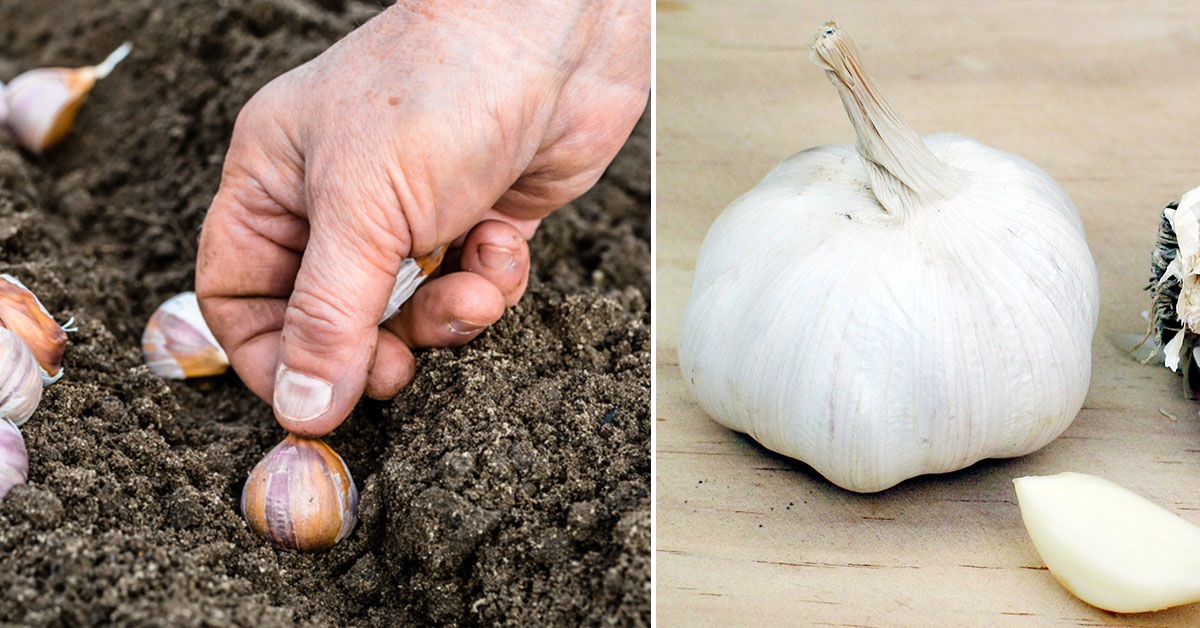

Garlic, a versatile and flavorful bulb that adds a delightful kick to any dish, can thrive in the unique climate of Newfoundland and Labrador. As a seasoned gardener in this region, I understand the importance of timing when it comes to planting this aromatic herb. In this article, we will delve into the best time to plant garlic in Newfoundland and Labrador, taking into account the region’s distinct weather patterns and growing conditions.
Whether you are a seasoned gardener looking to expand your culinary repertoire or a beginner eager to embark on your gardening journey, this comprehensive guide will equip you with the knowledge and confidence to successfully grow garlic in this beautiful region. So, grab your gardening tools and get ready to dig in!
Best garlic varieties to grow in Newfoundland and Labrador
In Newfoundland and Labrador, some good varieties of garlic that are well-suited to the climate and growing conditions include:
- Rocambole Garlic: This variety is known for its rich flavor and easy-to-peel cloves. It grows well in colder climates and has a strong, robust flavor.
- German Extra Hardy Garlic: As the name suggests, this variety is extremely hardy and can withstand colder temperatures. It produces large bulbs with easy-to-peel cloves and has a mild, yet flavorful taste.
- Music Garlic: Music garlic is a popular variety in Newfoundland and Labrador due to its ability to grow well in cold climates. It produces large, uniform bulbs with a strong, spicy flavor.
- Russian Red Garlic: This variety is known for its beautiful, deep purple skins and strong, pungent flavor. It is winter hardy and grows well in colder regions.
- Siberian Garlic: Siberian garlic is another cold-hardy variety that thrives in Newfoundland and Labrador. It produces medium-sized bulbs with a mild, yet distinct flavor.
When selecting garlic varieties, it’s important to consider factors such as taste preferences, growth habits, and disease resistance. It’s also worth noting that some local nurseries or seed suppliers may have specific garlic varieties that are well-adapted to your region, so it’s always a good idea to check with them for recommendations.
When to plant Garlic in Newfoundland and Labrador
Newfoundland and Labrador is located in the northeastern region of Canada and has a diverse climate. The province can be divided into six hardiness zones, which are determined by the average minimum winter temperatures. These zones help gardeners determine which plants are most likely to thrive in a particular area. Here is a breakdown of the hardiness zones in Newfoundland and Labrador:
- Zone 1a: This zone covers the northernmost parts of Labrador, where the average minimum temperature ranges from -45°C to -50°C (-49°F to -58°F). It is extremely challenging to grow plants in this zone due to the severe cold, short growing season, and limited sunlight.
- Zone 1b: This zone covers most of Labrador, where the average minimum temperature ranges from -40°C to -45°C (-40°F to -49°F). Similar to Zone 1a, gardening in this zone is very challenging, and only a few hardy perennials and shrubs can survive.
- Zone 2a: This zone covers the coastal areas of Labrador, where the average minimum temperature ranges from -35°C to -40°C (-31°F to -40°F). While still challenging, gardening is slightly more manageable in this zone, and a wider variety of cold-hardy plants can be grown.
- Zone 2b: This zone covers most of Newfoundland, excluding the northernmost parts. The average minimum temperature ranges from -35°C to -40°C (-31°F to -40°F). Gardening is still quite challenging in this zone, but with proper care and selection of cold-tolerant plants, a successful garden can be achieved.
- Zone 3a: This zone covers the southwestern parts of Newfoundland, including areas around Corner Brook and Stephenville. The average minimum temperature ranges from -40°C to -35°C (-40°F to -31°F). Gardening is more feasible in this zone, and a wider range of plants can be grown, including some less hardy perennials and vegetables.
- Zone 3b: This zone covers the southeastern parts of Newfoundland, including areas around St. John’s and Clarenville. The average minimum temperature ranges from -35°C to -30°C (-31°F to -22°F). Gardening is relatively easier in this zone compared to the previous ones, and a wide variety of plants, including many perennials, vegetables, and fruits, can be grown successfully.
In Newfoundland and Labrador, the best time to plant garlic is in the fall. Garlic is a cold-hardy crop that requires a period of cold dormancy to develop strong roots and bulbs. The ideal time to plant garlic bulbs is usually in late September or early October, before the ground freezes. This allows the bulbs to establish roots before winter and ensures they are ready to grow vigorously when spring arrives. However, it is important to consider the specific microclimate of your location and adjust the planting time accordingly. Consulting with local gardening experts or experienced gardeners in your area can provide valuable insights for the best planting time in your specific zone.
When to harvest Garlic in Newfoundland and Labrador
The optimal time to harvest garlic in Newfoundland and Labrador is typically in late July or early August. Garlic bulbs are usually ready to be harvested when the leaves have started to yellow and dry out, but before they completely die back. This is usually around 3-4 weeks after the scapes (flower stalks) have been removed. It’s important to monitor the garlic plants closely during this time and harvest when the leaves are about 50% yellowed. Harvesting too early can result in underdeveloped bulbs, while waiting too long can lead to cloves splitting or rotting.
Other considerations
When growing garlic in Newfoundland and Labrador, there are a few additional considerations to keep in mind:
- Cold hardiness: Newfoundland and Labrador have a colder climate, so it’s important to choose garlic varieties that are suited for colder temperatures. Hardneck varieties tend to be more cold-hardy than softneck varieties.
- Planting time: Garlic is typically planted in the fall, about 4-6 weeks before the ground freezes. In Newfoundland and Labrador, this usually means planting garlic in late September or early October.
- Mulching: Providing a layer of mulch around the garlic plants can help protect them from harsh winter conditions. Use straw, leaves, or compost to cover the soil around the plants, leaving the tops of the garlic exposed.
- Soil preparation: Garlic prefers well-draining soil with plenty of organic matter. Amend the soil with compost or well-rotted manure before planting to improve its fertility and drainage.
- Watering: Garlic plants need regular watering, especially during dry periods. However, be mindful not to overwater, as garlic bulbs can rot in soggy soil.
- Pest and disease management: Keep an eye out for common garlic pests like onion thrips and onion maggots. Regularly inspect the plants for any signs of damage or infestation and take appropriate measures to control them. Additionally, practice crop rotation to reduce the risk of soil-borne diseases.
- Harvesting: Garlic is typically ready for harvest in late summer or early fall, when the foliage turns yellow and begins to dry out. Carefully dig up the bulbs, being careful not to bruise or damage them. Allow the bulbs to cure in a cool, dry, and well-ventilated area for a few weeks before storing them.
By considering these factors, you can increase your chances of successfully growing garlic in Newfoundland and Labrador’s climate.