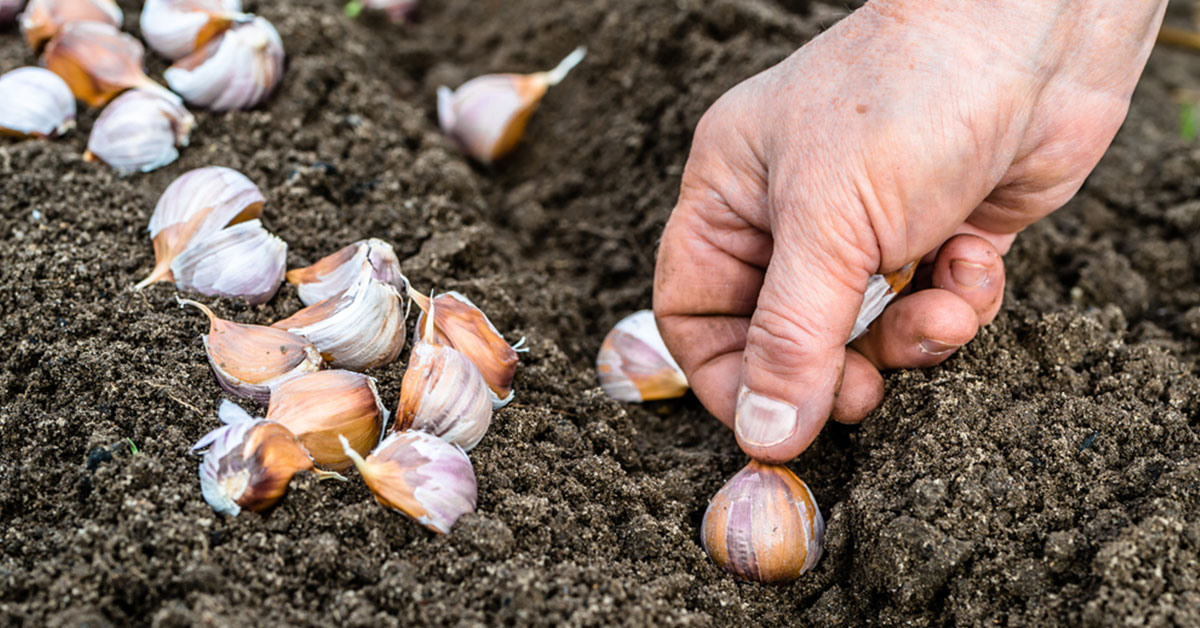

Welcome to the world of growing garlic in New Brunswick! As an experienced gardener, I can tell you that choosing the right time to plant garlic is crucial for a successful harvest. Garlic is a hardy bulb that thrives in cool climates, and New Brunswick’s unique weather patterns make it an ideal location for growing this flavorful crop.
In this article, we will explore the best time to plant garlic in New Brunswick, taking into consideration the region’s frost dates, soil conditions, and the specific garlic varieties that flourish in this area. Whether you are a seasoned gardener or a novice looking to add some pungent goodness to your kitchen, read on to discover the optimal time to plant garlic and enjoy a bountiful harvest in the beautiful province of New Brunswick.
Best garlic varieties to grow in New Brunswick
In New Brunswick, there are several varieties of garlic that perform well in the region’s growing conditions. Here are some popular and recommended varieties:
- Music Garlic: This is a hardneck variety known for its large, easy-to-peel cloves and strong, rich flavor. It’s a reliable and productive choice.
- German Extra Hardy: As the name suggests, this hardneck variety is well-suited for colder climates, making it a good choice for New Brunswick. It has a bold, spicy flavor.
- Russian Red Garlic: Another hardneck variety, Russian Red is known for its beautiful, deep purple-striped bulbs and medium-strong flavor. It’s an excellent option for New Brunswick’s climate.
- Chesnok Red Garlic: This softneck variety produces large bulbs with a beautiful purple skin. It has a rich, full-bodied flavor and is great for cooking.
- Georgian Fire Garlic: This hardneck variety is known for its heat and spicy flavor. It’s a good choice if you prefer a more intense garlic taste.
Remember to source your garlic from reputable seed suppliers or local farmers to ensure you are getting quality bulbs that are adapted to your specific region.
When to plant Garlic in New Brunswick
New Brunswick is located in the eastern part of Canada and experiences a variety of hardiness zones due to its diverse climate. The province is divided into four hardiness zones, namely 4a, 4b, 5a, and 5b. Understanding the hardiness zones is crucial for successful gardening, as it helps determine which plants can thrive in a particular region.
Zone 4a covers the northernmost part of New Brunswick, including areas like Bathurst and Campbellton. This zone has a shorter growing season and colder temperatures, with an average minimum winter temperature of -34.4°C (-30°F). Gardeners in this zone should focus on cold-hardy crops that can withstand freezing temperatures.
Zone 4b encompasses regions like Edmundston and Grand Falls. This zone also experiences cold winters, with an average minimum temperature of -31.7°C (-25°F). It is advisable to choose crops that can tolerate cooler conditions and have a shorter growing season.
Zone 5a covers a larger area, including Fredericton and Miramichi. This zone has milder winters compared to the previous ones, with an average minimum temperature of -28.9°C (-20°F). Gardeners in this zone have a longer growing season and can grow a wider range of crops.
Zone 5b is the warmest zone in New Brunswick, covering places like Moncton and Saint John. This zone experiences relatively mild winters, with an average minimum temperature of -26.1°C (-15°F). Gardeners in this zone have the advantage of a longer growing season and can grow a variety of crops.
Now, to answer your question about planting garlic in New Brunswick, the best time to plant garlic is in the fall. Garlic is a bulb crop that requires a period of cold dormancy to develop properly. It is recommended to plant garlic cloves about 4-6 weeks before the ground freezes. In New Brunswick, this typically falls around late September to early October, depending on the specific location and weather conditions.
Planting garlic in the fall allows the cloves to establish roots and develop during the winter months. This results in stronger and healthier plants that will be ready for harvest in the following summer. It is important to choose a suitable garlic variety that is adapted to your specific hardiness zone to ensure successful growth.
Remember to provide adequate mulching to protect the garlic plants during the winter months, especially in colder zones. This will help insulate the soil and prevent frost heaving.
Overall, understanding the hardiness zones of New Brunswick and planting garlic at the appropriate time will greatly enhance your gardening success and ensure a bountiful harvest.
When to harvest Garlic in New Brunswick
The optimal time to harvest garlic in New Brunswick is usually in late July or early August. It’s important to monitor the garlic plants closely and harvest when the lower leaves start to turn yellow and brown, but there are still a few green leaves left on the plant. This indicates that the garlic bulbs have matured and are ready for harvest. Be sure to avoid waiting too long, as the bulbs can over-mature and begin to split or deteriorate.
Other considerations
When growing garlic in New Brunswick, there are several additional considerations to keep in mind:
- Climate: New Brunswick has a cool and humid climate, which is generally suitable for growing garlic. However, it is important to choose garlic varieties that are well adapted to the local climate. Hardneck garlic varieties, such as Rocambole or Porcelain, tend to perform better in colder regions like New Brunswick.
- Soil: Garlic prefers well-draining soil with a pH level between 6 and 7.5. Before planting, amend the soil with organic matter, such as compost or aged manure, to improve drainage and fertility. Additionally, garlic benefits from loose soil that allows for good root development.
- Planting Time: Garlic is typically planted in the fall, around 4 to 6 weeks before the ground freezes. In New Brunswick, this is typically around late September or early October. By planting in the fall, garlic has time to establish roots before winter, resulting in larger and healthier bulbs the following year.
- Mulching: Applying a layer of mulch around the garlic plants helps to insulate the soil, regulate temperature, and suppress weed growth. In New Brunswick, a thick layer of straw or chopped leaves can be applied after planting to protect the garlic from extreme cold temperatures during winter.
- Watering: Garlic requires consistent moisture, especially during the growing season. It is important to water the plants regularly, particularly during dry spells. However, be careful not to overwater, as garlic bulbs can rot in excessively wet soil.
- Fertilization: Garlic is a nutrient-hungry plant, so it benefits from regular fertilization. Before planting, incorporate a balanced organic fertilizer into the soil. Additionally, side-dress the plants with a nitrogen-rich fertilizer, such as fish emulsion or blood meal, in early spring to support healthy growth.
- Pest and Disease Management: Garlic is generally resistant to most pests and diseases. However, keep an eye out for common issues like fungal diseases (such as white rot or rust) and pests like onion thrips or aphids. Proper crop rotation, good sanitation practices, and regular inspection can help prevent and manage these problems.
- Harvesting: Garlic is typically ready for harvest when the leaves turn yellow and start to dry out. In New Brunswick, this is usually around mid to late summer. Carefully dig up the bulbs, taking care not to damage them. Allow the bulbs to cure in a warm and dry location with good airflow for a couple of weeks before storing them.
By considering these factors, you can increase your chances of successfully growing garlic in New Brunswick.