
Welcome to this informative article on the best time to plant garlic in Saskatchewan! As an experienced gardener, I understand the importance of timing when it comes to planting crops. Garlic, a versatile and flavorful vegetable, requires specific conditions to thrive and produce a bountiful harvest.
Saskatchewan’s unique climate poses its own challenges, making it crucial to choose the right time to plant garlic for optimal growth. In this article, we will delve into the factors that influence the best planting window, the ideal soil conditions, and the necessary preparations to ensure a successful garlic crop in the beautiful province of Saskatchewan.
Whether you’re a seasoned gardener or a beginner looking to try your hand at growing garlic, this article will provide you with valuable insights and tips to maximize your garlic harvest.
Best garlic varieties to grow in Saskatchewan
In Saskatchewan, some good varieties of garlic that thrive in the region include:
- Music: This variety is known for its large bulbs and strong, robust flavor. It is easy to grow and adapts well to Saskatchewan’s climate.
- German Extra Hardy: As the name suggests, this variety is extremely hardy and can withstand harsh winters. It produces large cloves with a rich, spicy flavor.
- Red Russian: This variety has beautiful burgundy-colored bulbs and a mild, sweet flavor. It is well-suited for Saskatchewan’s shorter growing season.
- Yugoslavian: Yugoslavian garlic produces medium to large bulbs with a strong, pungent flavor. It is a reliable variety that adapts well to various growing conditions.
- Chesnok Red: This variety originates from the Republic of Georgia and has a complex and flavorful taste. It has purple-striped bulbs and stores well.
Remember to choose garlic varieties that are labeled as “hardneck” as they tend to perform better in colder climates. Additionally, it’s always a good idea to consult with local garden centers or agricultural extension offices for specific recommendations based on your location in Saskatchewan.
When to plant Garlic in Saskatchewan
In Saskatchewan, the hardiness zones vary across the province due to its vast size and diverse climate. The zones range from 0a in the northernmost regions to 3b in the southern parts of the province. Understanding the specific hardiness zone of your location is crucial in determining the appropriate planting times for various crops, including garlic.
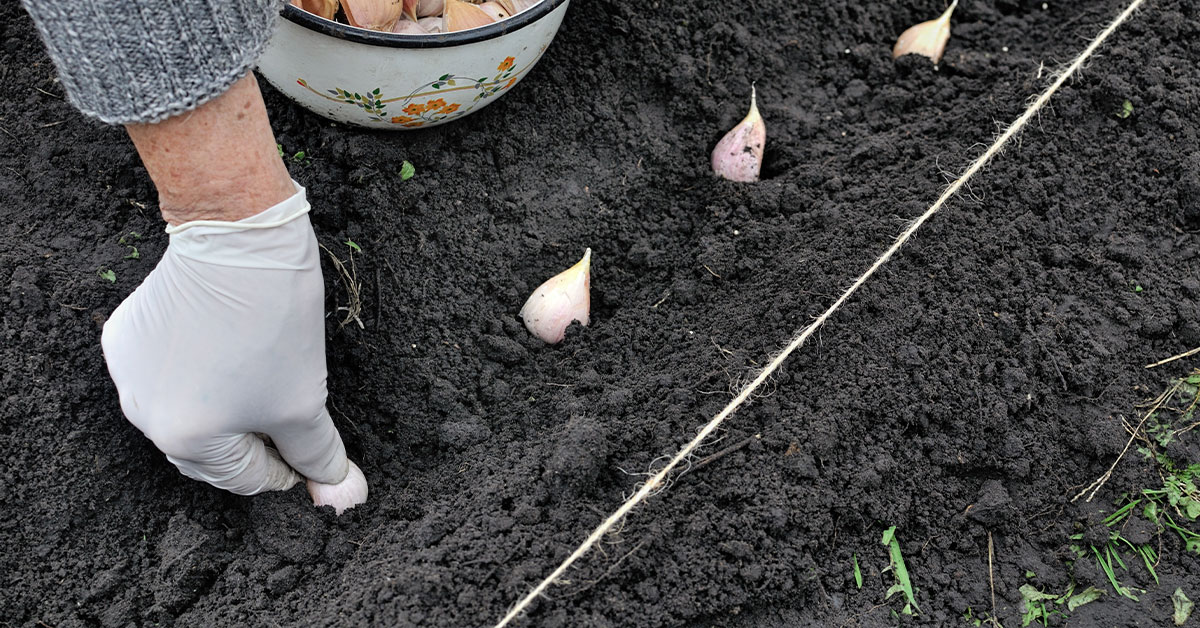
Garlic is typically planted in the fall season, allowing it to establish roots during the winter and start growing vigorously in the spring. In Saskatchewan, the best time to plant garlic may vary slightly depending on the specific zone. Here are some general guidelines based on the different hardiness zones:
- Zone 0a: This zone covers the far northern regions of Saskatchewan, where the winters are extremely cold. Garlic planting is not recommended in this zone due to the short growing season and harsh winter conditions.
- Zones 0b to 1b: These zones experience very cold winters and short growing seasons. Garlic planting in these areas should be done in early to mid-September, giving the bulbs enough time to establish roots before the ground freezes.
- Zones 2a to 2b: These areas have moderately cold winters and longer growing seasons compared to the northern regions. Garlic planting can be done in late September to early October, ensuring the bulbs have enough time to develop roots before winter sets in.
- Zones 3a to 3b: These zones cover the southern parts of Saskatchewan, where winters are relatively milder, and the growing season is longer. Garlic planting in these areas can be done from mid-October to early November.
It is important to note that these time frames are general guidelines, and local weather conditions can vary from year to year. Monitoring the temperature and soil conditions is crucial to ensure the best results when planting garlic. Additionally, choosing the right garlic variety that is suitable for your specific zone can greatly increase your chances of success.
As an experienced gardener, I recommend conducting further research or consulting with local gardening experts to determine the exact planting time for garlic based on your specific location within Saskatchewan.
When to harvest Garlic in Saskatchewan
The optimal time to harvest garlic in Saskatchewan is typically in late July or early August. This is when the garlic bulbs have fully matured and the foliage begins to die back. Look for about 50% of the leaves turning yellow or brown. It’s important to not wait until all the leaves have died back, as this can lead to over-ripening and the cloves may begin to separate. Harvesting too early can result in small cloves that haven’t fully developed. Monitor the plants closely and harvest when the majority of the foliage has turned yellow or brown, but before it completely withers away.
Other considerations
When growing garlic in Saskatchewan, there are several additional considerations to keep in mind:
- Cold hardiness: Garlic is a cold-hardy crop, but it still requires protection from extreme cold temperatures. In Saskatchewan, where winters can be harsh, it is advisable to plant garlic in the fall so that it has enough time to develop strong roots before the ground freezes. Additionally, using a thick layer of mulch around the plants can help insulate the soil and protect the garlic bulbs during winter.
- Soil preparation: Garlic prefers well-draining soil with a pH level between 6.0 and 7.0. Before planting, it is important to ensure the soil is well-amended with organic matter, such as compost or aged manure, to improve its fertility and drainage. Conducting a soil test to check nutrient levels can also be beneficial.
- Variety selection: Choose garlic varieties that are suitable for Saskatchewan’s climate. Hardneck garlic varieties tend to perform better in colder climates, as they are more cold-tolerant than softneck varieties. Some popular hardneck varieties for Saskatchewan include Music, Russian Red, and Purple Stripe.
- Planting time: Garlic should be planted in the fall, typically between September and October, before the ground freezes. The exact timing can vary depending on local frost dates, but aim to plant garlic about 4-6 weeks before the first hard frost. This allows the cloves to establish roots before winter, leading to better growth in the following spring.
- Watering: Adequate watering is crucial for garlic, especially during its early growth stages. Garlic needs consistent moisture, but it is important to avoid overwatering, as this can lead to rotting. Water the garlic deeply once or twice a week, ensuring the soil is evenly moist but not waterlogged.
- Pest and disease management: Garlic is generally resistant to pests and diseases, but there are still a few potential issues to watch out for. Common pests include aphids, onion maggots, and nematodes. To deter pests, consider companion planting with plants like marigolds or planting garlic in raised beds. Proper crop rotation and good sanitation practices can help prevent diseases such as white rot and downy mildew.
- Harvesting: Garlic is typically ready for harvest in late spring or early summer when the leaves start to turn yellow and dry out. Lift the bulbs gently from the ground using a garden fork, being careful not to damage them. Allow the harvested garlic to cure in a warm, well-ventilated area for 2-4 weeks before storing.
By considering these factors, you can increase your chances of successfully growing garlic in Saskatchewan’s climate.