
Welcome to the wonderful world of growing garlic in Nova Scotia! If you’re a garlic enthusiast, you’re in for a treat. Garlic is not only a delicious and versatile ingredient in many culinary delights, but it is also a relatively easy plant to grow. However, like any other crop, timing is crucial for successful growth and a bountiful harvest.
In this article, we will guide you through the best time to plant garlic in Nova Scotia, taking into account the region’s unique climate and growing conditions. Whether you’re a seasoned gardener or a novice just starting out, by following our recommendations, you’ll be well on your way to growing your own flavorful garlic bulbs in no time.
Best garlic varieties to grow in Nova Scotia
There are several varieties of garlic that grow well in Nova Scotia’s climate. Here are a few recommendations:
- German Extra Hardy: This variety is known for its strong flavor and excellent cold hardiness. It produces large bulbs with easy-to-peel cloves.
- Music: Music garlic is a popular choice in many regions. It has a robust flavor and large, easy-to-peel cloves. It also tends to store well.
- Spanish Roja: This variety has a rich, full-bodied flavor and is well-suited for growing in cooler climates. It produces medium-sized bulbs with purple-striped wrappers.
- Romanian Red: Romanian Red garlic thrives in cooler temperatures and produces bulbs with beautiful, deep red cloves. It has a strong flavor and is great for cooking.
- Chesnok Red: Chesnok Red garlic is known for its complex, sweet flavor and large, easy-to-peel cloves. It has a beautiful purple-striped wrapper and stores well.
Remember, it’s always a good idea to source your garlic bulbs from reputable local nurseries or farmers who are familiar with the specific growing conditions in Nova Scotia.
When to plant Garlic in Nova Scotia
In Nova Scotia, the hardiness zones range from zone 4a to zone 6a. The province experiences a diverse climate due to its position on the Atlantic coast, with cooler temperatures in the north and milder conditions in the south.
When it comes to planting garlic in Nova Scotia, it is essential to consider the hardiness zone of your specific location. Garlic is typically planted in the fall season, specifically between late September and early November, before the ground freezes. This allows the garlic bulbs to establish roots before winter sets in, resulting in larger and healthier plants the following year.
In the southern regions of Nova Scotia, such as Halifax and Lunenburg, which fall under zones 6a and 6b, garlic can be planted closer to the later end of the recommended period, around late October or early November. These areas tend to have milder winters, allowing for a longer growing season.
Moving towards central Nova Scotia, which includes Truro and New Glasgow, falling under zone 5b, it is advisable to plant garlic in mid to late October. The slightly colder temperatures in this region necessitate an earlier planting time to ensure proper root development before the ground freezes.
In the northern parts of the province, like Amherst and Pictou, which are in zone 4a, it is crucial to plant garlic in late September or early October. These cooler regions have shorter growing seasons, and an early planting ensures that the garlic plants have enough time to establish roots and survive the winter.
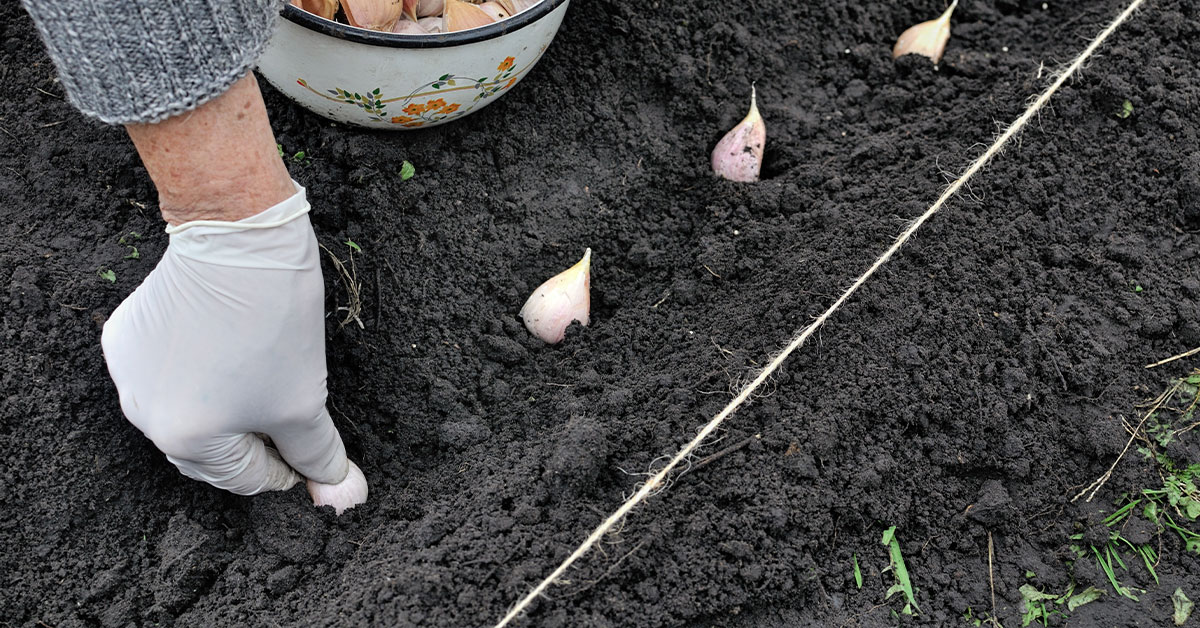
When planting garlic, it is essential to choose a well-drained location with full sun exposure. Prepare the soil by adding organic matter such as compost or well-rotted manure to improve its fertility. Plant individual cloves, pointed end up, around 2-3 inches deep and 6-8 inches apart.
By considering the hardiness zone of your specific area in Nova Scotia and planting garlic at the appropriate time, you can maximize the chances of a successful harvest the following year. Remember to provide adequate winter protection, such as mulching the soil with straw or leaves, to insulate the plants and prevent frost damage.
When to harvest Garlic in Nova Scotia
The optimal time to harvest garlic in Nova Scotia is typically in mid to late summer, usually around July or August. Garlic is usually ready to harvest when the leaves start to turn yellow or brown and begin to dry out. It’s important to monitor the plants closely during this time as harvesting too early can result in small bulbs, while waiting too long can cause the bulbs to split or become overripe.
Other considerations
When growing garlic in Nova Scotia, there are several additional considerations to keep in mind:
- Climate: Nova Scotia has a relatively short growing season with cool temperatures. Garlic prefers cooler weather but needs a longer growing season to fully mature. Therefore, it is important to choose garlic varieties that are suitable for colder climates and have a shorter growing season.
- Soil: Garlic thrives in well-drained, fertile soil. It is advisable to amend the soil with organic matter, such as compost or well-rotted manure, to improve its fertility and drainage. Additionally, garlic prefers a slightly acidic soil with a pH between 6.0 and 7.0. Conducting a soil test and adjusting the pH accordingly can be beneficial.
- Planting time: Garlic should be planted in the fall, typically between September and October in Nova Scotia. This allows the bulbs to establish roots before winter sets in and promotes better growth the following spring.
- Mulching: Applying a layer of organic mulch, such as straw or shredded leaves, around the garlic plants after planting helps to insulate the soil, retain moisture, and suppress weed growth. This is especially important during the winter months when the ground may freeze and thaw repeatedly.
- Watering: Garlic requires consistent moisture, especially during the growing season. Adequate watering is crucial for the development of healthy bulbs. However, it is essential to avoid overwatering, as excessive moisture can lead to rotting. Watering deeply once or twice a week, depending on rainfall, is generally sufficient.
- Fertilization: Garlic is a heavy feeder and benefits from regular fertilization. Before planting, incorporate a balanced organic fertilizer into the soil. Additionally, side-dressing with compost or a slow-release organic fertilizer during the growing season can provide the necessary nutrients.
- Pest and disease management: Garlic is relatively resistant to pests and diseases. However, common issues include onion maggots, bulb mites, and fungal diseases such as white rot and rust. Practicing crop rotation, maintaining good garden hygiene, and avoiding excessive moisture can help prevent these problems. If necessary, organic pest control methods, such as neem oil or diatomaceous earth, can be used.
- Harvesting: Garlic is typically ready for harvest in late spring or early summer, depending on the variety. Harvesting too early can result in small bulbs, while leaving them in the ground for too long may cause the bulb to split or deteriorate. Wait for the foliage to turn yellow and begin to dry before harvesting. Gently dig up the bulbs, being careful not to damage them, and allow them to cure in a dry, well-ventilated area for a few weeks.
By considering these factors, you can increase your chances of growing a successful garlic crop in Nova Scotia.