
Garlic, a versatile and flavorful member of the Allium family, is a must-have addition to any kitchen garden. Knowing the best time to plant garlic in Quebec is crucial for a successful harvest. With its cold winters and relatively short growing season, Quebec poses specific challenges for garlic cultivation.
However, with careful planning and consideration of the region’s unique climate, garlic enthusiasts can still achieve bountiful yields. In this article, we will delve into the optimal timing for planting garlic in Quebec, taking into account both fall and spring planting methods.
Whether you are a seasoned gardener or just starting out, this guide will equip you with the knowledge needed to grow delicious garlic in the beautiful province of Quebec.
Best varieties of garlic to grow in Quebec
There are several good varieties of garlic that grow well in Quebec’s climate. Here are a few popular options:
- Music: This is a hardneck variety that produces large bulbs with easy-to-peel cloves. It has a strong, rich flavor and stores well.
- Red Russian: Also a hardneck variety, Red Russian garlic produces medium-sized bulbs with purple-striped cloves. It has a mild, slightly spicy flavor and is known for its early maturity.
- German Extra Hardy: This hardneck variety is well-suited for cold climates like Quebec. It produces large bulbs with large cloves, and has a strong, robust flavor.
- Quebec Rose: A softneck variety specifically developed for Quebec’s climate, Quebec Rose garlic is known for its adaptability and strong growth. It produces medium-sized bulbs with a mild flavor.
- Romanian Red: Another hardneck variety, Romanian Red garlic produces large bulbs with beautiful deep-red cloves. It has a strong, hot flavor and stores well.
These are just a few examples, but there are many other varieties available. It’s always a good idea to experiment with different varieties to find the ones that grow best in your specific garden conditions.
When to plant Garlic in Quebec
In Quebec, the hardiness zones vary throughout the province, indicating the regions’ ability to withstand different winter temperatures. The hardiness zones in Quebec range from Zone 0a in the northernmost parts to Zone 5b in the southernmost regions. Here is a breakdown of the hardiness zones in Quebec:
- Zone 0a: This zone covers the far north of Quebec, where the winter temperatures can drop as low as -50°F (-45°C). Gardening in this zone is challenging, and only the hardiest perennials and shrubs can survive.
- Zone 0b: This zone extends slightly further south in Quebec, experiencing winter temperatures between -45°F to -50°F (-40°C to -45°C). Similar to Zone 0a, gardening in this zone requires extremely cold-tolerant plants.
- Zone 1a: This zone covers parts of northern Quebec, with winter temperatures ranging from -40°F to -45°F (-34°C to -40°C). Cold-hardy vegetables like kale, cabbage, and carrots can be grown successfully in this zone.
- Zone 1b: Zone 1b extends further south in Quebec, with winter temperatures between -35°F to -40°F (-31°C to -34°C). In addition to cold-hardy vegetables, some fruit trees, such as apple and cherry, can be grown in this zone.
- Zone 2a: This zone covers a significant portion of Quebec, including cities like Quebec City and Saguenay. Winter temperatures range from -30°F to -35°F (-26°C to -31°C). In Zone 2a, a variety of vegetables, herbs, and flowers can be cultivated.
- Zone 2b: This zone extends further south, including cities like Montreal and Trois-Rivières. Winter temperatures range from -25°F to -30°F (-29°C to -26°C). In Zone 2b, a wider range of plants can be grown, including more delicate fruit trees like pear and plum.
- Zone 3a: This zone covers parts of southern Quebec, with winter temperatures between -20°F to -25°F (-29°C to -23°C). A wide range of vegetables, herbs, flowers, and fruit trees can be successfully grown in this zone.
- Zone 3b: Zone 3b extends further south, including cities like Sherbrooke and Drummondville. Winter temperatures range from -15°F to -20°F (-26°C to -29°C). In this zone, many popular garden plants thrive, including tomatoes, peppers, and various perennials.
- Zone 4a: This zone covers southern Quebec, including cities like Granby and Saint-Hyacinthe. Winter temperatures range from -10°F to -15°F (-23°C to -26°C). In Zone 4a, gardeners can enjoy a wide variety of plants, including many annual flowers, berries, and herbs.
- Zone 4b: This zone extends further south, covering cities like Montreal’s suburbs. Winter temperatures range from -5°F to -10°F (-21°C to -23°C). In Zone 4b, gardeners have even more options for plant selection, including tender perennials like lavender and rosemary.
- Zone 5a: This zone covers the southernmost parts of Quebec, including cities like Boucherville and Saint-Lambert. Winter temperatures range from -1°F to -5°F (-18°C to -21°C). In this zone, a wide range of plants can be cultivated, including various vegetables, annuals, and perennials.
- Zone 5b: Zone 5b is the warmest zone in Quebec, found in the southwestern parts of the province, around the Montreal area. Winter temperatures range from 5°F to -1°F (-15°C to -18°C). Gardeners in this zone have the most options, including warm-season crops like corn, melons, and beans.
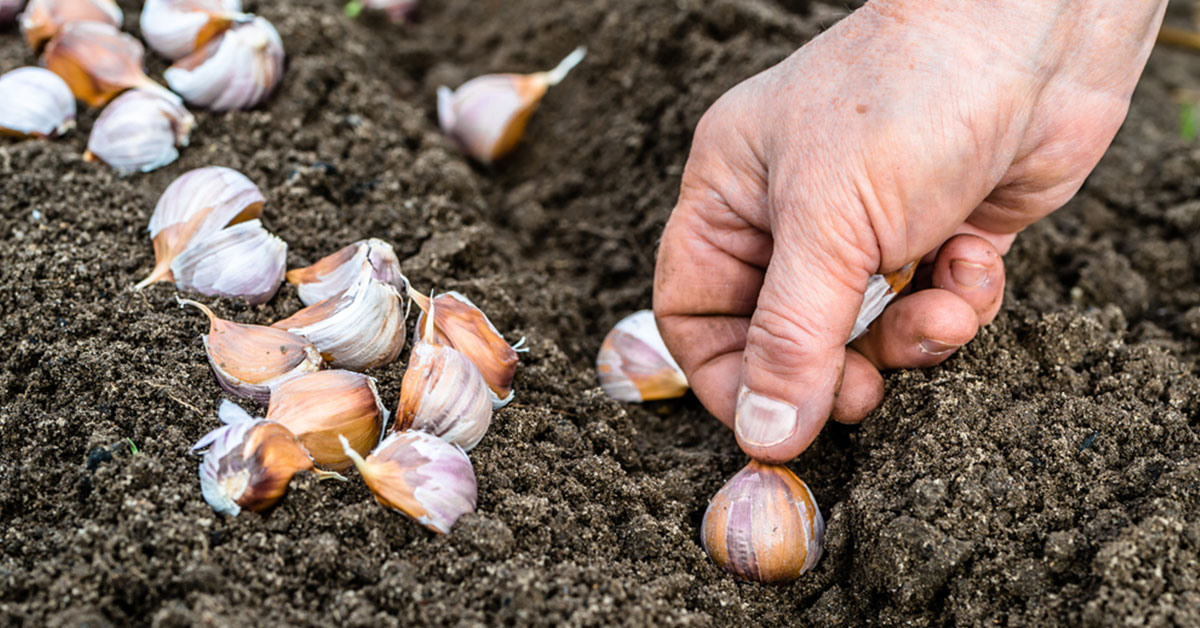
Regarding the best time to plant garlic in Quebec, it is typically recommended to plant garlic in the fall, preferably between late September and early November. This allows the cloves to establish roots before winter sets in. Garlic requires a period of cold dormancy to grow properly, and planting in the fall ensures that the bulbs will be ready for harvest the following summer. However, it is always best to consider the specific microclimate and weather conditions in your area before planting.
When to harvest Garlic in Quebec
The optimal time to harvest garlic in Quebec typically falls between late July and early August. It’s important to monitor the plant closely and harvest when the lower leaves start to turn yellow and dry out. Gently dig up the bulbs with a garden fork or spade, being careful not to damage them. After harvesting, allow the garlic to dry in a well-ventilated, shady area for a few weeks before storing it in a cool, dry place.
Other considerations
When growing garlic in Quebec, there are several other considerations to keep in mind:
- Climate: Quebec has a cold climate, so it’s important to choose garlic varieties that are suitable for colder temperatures. Hardneck varieties tend to be more cold-hardy compared to softneck varieties.
- Planting Time: Garlic should be planted in the fall, typically around late September to early October in Quebec. This allows the cloves to establish roots before winter sets in.
- Soil Preparation: Garlic prefers well-draining soil with a pH between 6.0 and 7.0. Before planting, ensure the soil is loose and enriched with organic matter, such as compost or well-rotted manure.
- Mulching: Applying a layer of mulch over the garlic bed helps to insulate the soil and protect the cloves from extreme cold temperatures during winter. Straw or chopped leaves can be used as mulch.
- Watering: Garlic needs consistent moisture during its growing season, especially in the spring. Water deeply and regularly, but avoid overwatering, as garlic bulbs can rot in waterlogged soil.
- Fertilizing: Garlic is a heavy feeder and benefits from regular fertilization. Apply a balanced organic fertilizer at planting time and side-dress with compost or a nitrogen-rich fertilizer in the spring.
- Weed Control: Keep the garlic bed weed-free, as weeds can compete for nutrients and water. Mulching helps to suppress weeds, but hand-weeding may still be necessary.
- Harvesting: Garlic is typically ready to harvest in late spring or early summer when the leaves start to turn yellow and dry out. Carefully dig up the bulbs, ensuring not to damage them, and allow them to cure in a dry, well-ventilated area for a few weeks before storing.
- Storage: Once cured, store garlic bulbs in a cool, dark, and dry place. Properly cured garlic can last several months.
- Crop Rotation: To prevent the buildup of pests and diseases, it is best to rotate garlic with other crops in subsequent growing seasons. Avoid planting garlic in the same spot for at least three years.
By considering these factors, you can increase your chances of successfully growing garlic in Quebec.