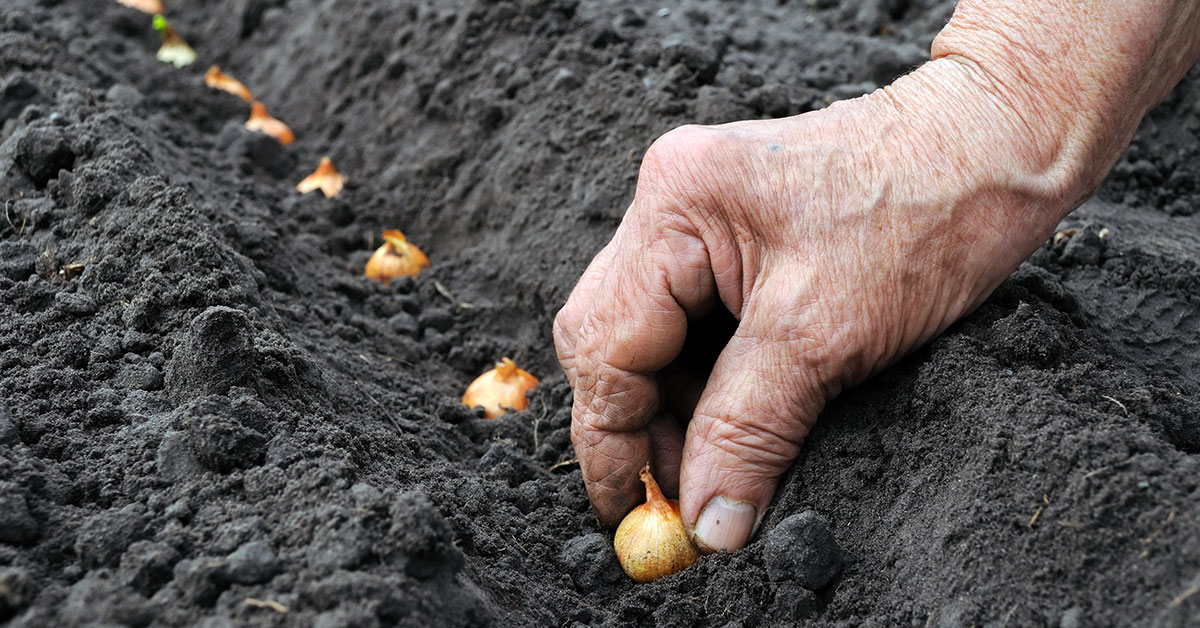

If you’re a fan of onions and are eager to grow your own, then you’ve come to the right place. Onions are a versatile and essential ingredient in countless recipes, and there’s nothing quite like the taste of a freshly harvested onion from your own backyard. However, to successfully grow onions in Saskatchewan, you have to know when exactly to plant them.
In this article, we will explore the best time to plant onions in Saskatchewan, taking into account the unique climate and growing conditions of this beautiful Canadian province. Whether you’re a seasoned gardener or a beginner, get ready to learn some valuable tips that will help you achieve a bountiful onion harvest and add a flavorful touch to your culinary creations.
Best onion varieties to grow in Saskatchewan
In Saskatchewan, some good varieties of onions that have shown success are:
- Copra: This is a classic yellow storage onion that has a strong flavor and long shelf life. It is known for its excellent storage capabilities and is a reliable choice for Saskatchewan gardeners.
- Redwing: This is a red onion variety that is well-suited for Saskatchewan’s climate. It has a mild, sweet flavor and can be used both raw and cooked. Redwing onions store well and have good disease resistance.
- Stuttgarter: This is a popular yellow onion variety that is known for its high yields and good storage qualities. It has a mild flavor and is versatile in the kitchen, making it a reliable choice for Saskatchewan gardeners.
- Walla Walla: Although originally from Washington, Walla Walla onions can also be grown successfully in Saskatchewan. They are sweet and mild, making them great for eating raw in salads or on sandwiches. Walla Walla onions have a shorter storage life compared to some other varieties, so they are best used fresh.
- Ailsa Craig: This is a long-day variety that is well-suited for Saskatchewan’s long summer days. It produces large, sweet onions that have a mild flavor. Ailsa Craig onions are known for their excellent storage capabilities.
Remember to choose onion varieties that are suitable for your specific growing conditions and desired taste preferences.
When to plant Onions in Saskatchewan
In Saskatchewan, there are four main hardiness zones: Zone 0, Zone 1, Zone 2, and Zone 3. These zones are determined based on average annual extreme minimum temperatures, which help gardeners determine which plants will thrive in their specific region.
Zone 0 covers the northernmost parts of the province, including areas like Uranium City and Stony Rapids. This zone experiences extremely cold temperatures, with average extreme minimums ranging from -50°F to -40°F (-46°C to -40°C). Due to the harsh conditions, it is not recommended to grow onions in Zone 0.
Zone 1 encompasses a large part of northern Saskatchewan, including communities like La Ronge and Buffalo Narrows. This zone experiences cold temperatures, with average extreme minimums ranging from -40°F to -30°F (-40°C to -34°C). Onions can be planted in Zone 1, but it is important to choose cold-hardy onion varieties and provide adequate protection during colder months.
Zone 2 covers most of central and southern Saskatchewan, including cities like Saskatoon, Regina, and Moose Jaw. This zone experiences moderately cold temperatures, with average extreme minimums ranging from -30°F to -20°F (-34°C to -29°C). Zone 2 is generally suitable for growing onions. However, it is recommended to plant onion sets or transplants rather than starting from seeds, as the growing season may be relatively short.
Zone 3 includes the southeastern parts of Saskatchewan, including Estevan and Carlyle. This zone experiences mild temperatures, with average extreme minimums ranging from -20°F to -10°F (-29°C to -23°C). Onions can be successfully grown in Zone 3, and both sets and transplants can be used. However, it is still important to consider the specific microclimate of your garden and adjust planting times accordingly.
The best time to plant onions in Saskatchewan is typically in early spring, once the soil has thawed and temperatures have consistently reached around 45°F (7°C). This usually occurs in late April or early May, depending on the specific region and weather conditions. Onions are a cool-season crop, and they prefer to be planted when the soil is workable and temperatures are not excessively cold.
It is important to note that these guidelines are general recommendations, and it is always beneficial to consult local gardening resources or experienced gardeners in your specific area for more accurate and detailed information tailored to your region.
When to harvest Onions in Saskatchewan
The optimal time to harvest onions in Saskatchewan is typically in late summer or early fall, usually around August or September. This is when the onion tops start to yellow and fall over, indicating that the bulbs have reached maturity. Keep an eye on the weather and harvest when the soil is dry to prevent rotting.
Other considerations
When growing onions in Saskatchewan, there are a few other important considerations to keep in mind:
- Daylight hours: Onions are dependent on daylight hours for their growth and bulb development. In Saskatchewan, the long summer days provide ample sunlight, which is favorable for onion growth. However, it is important to choose onion varieties that are suitable for your specific zone and can handle the daylight hours in your region.
- Soil preparation: Onions prefer well-draining soil with a pH level between 6.0 and 7.5. Before planting, it is essential to prepare the soil by adding organic matter such as compost or well-rotted manure to improve its fertility, drainage, and moisture retention. Conducting a soil test to determine nutrient levels and making necessary amendments can also help ensure optimal onion growth.
- Temperature and frost: Onions are cool-season crops and can tolerate a light frost. However, they are sensitive to extreme cold temperatures. In Saskatchewan, it is crucial to time your onion planting so that it occurs after the last frost date in the spring. This will help prevent damage to young plants and ensure better growth.
- Watering and irrigation: Onions need consistent moisture throughout their growing season. Adequate watering is crucial, especially during dry periods. However, overwatering can lead to rot and disease issues. It is recommended to water deeply but infrequently, allowing the soil to dry out between waterings. Using mulch around the onion plants can help retain moisture and regulate soil temperature.
- Weed control: Weeds can compete with onions for nutrients, water, and sunlight. Regular weeding is necessary to keep the onion bed weed-free. Mulching can also help suppress weed growth and conserve soil moisture.
- Pest and disease management: Onions can be susceptible to various pests and diseases, such as onion maggots, thrips, onion root rot, and downy mildew. To prevent these issues, practice crop rotation, remove any infected plants promptly, and consider using organic pest control methods if necessary.
- Harvesting and storage: Onions are ready for harvest when the tops begin to yellow and fall over. Once harvested, it is crucial to cure the onions properly by allowing them to dry in a well-ventilated area for a few weeks. Afterward, store them in a cool, dry place with good air circulation to prolong their shelf life.
By considering these factors, you can increase your chances of successfully growing onions in Saskatchewan and enjoy a bountiful harvest.