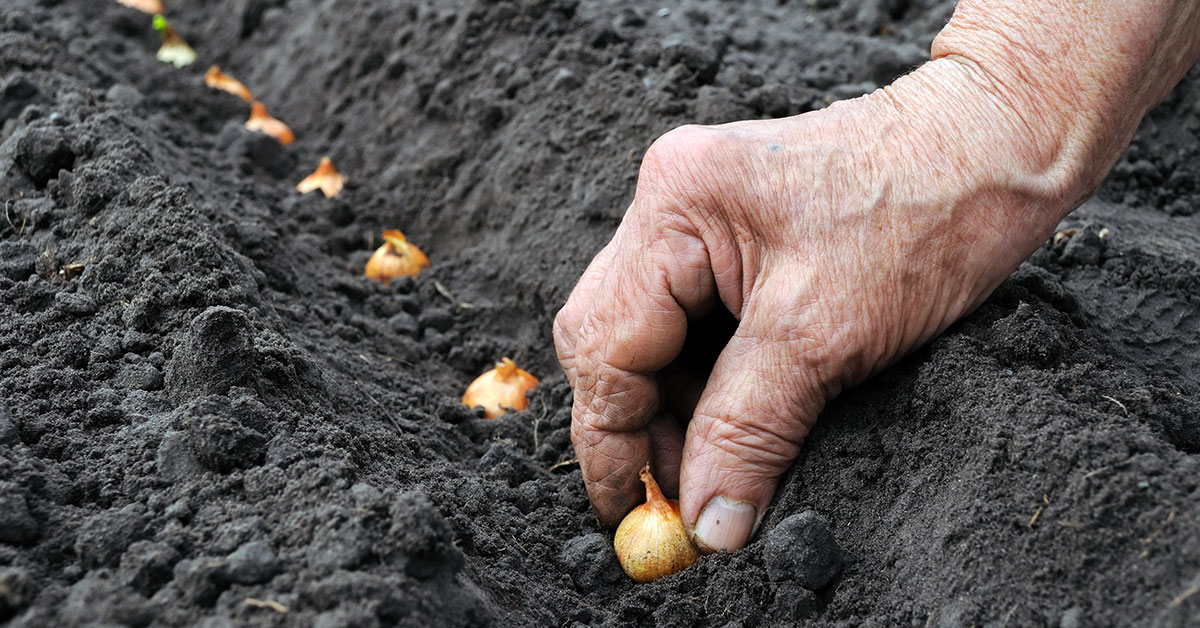

Are you a gardening enthusiast in New Brunswick looking to plant onions? If so, you’ve come to the right place! In this article, we will delve into the best time to plant onions in New Brunswick, considering the region’s unique climate and growing conditions.
By understanding the optimal planting season, you can ensure a successful onion harvest and enjoy the flavorful and versatile addition to your homegrown produce. So, grab your gardening gloves and let’s explore the perfect timing for planting onions in New Brunswick!
Best onions to grow in New Brunswick
In New Brunswick, some good varieties of onions that you can consider growing are:
- Copra: This is a popular storage onion that has a strong flavor and excellent storage capabilities.
- Walla Walla: This sweet onion variety is known for its mild taste and is great for eating raw in salads or sandwiches.
- Red Baron: These red onions have a mild to medium flavor and are perfect for adding color and flavor to dishes when cooked.
- Patterson: This variety produces large, yellow onions with a mild flavor. They are versatile and can be used in various culinary applications.
- Candy: These onions have a sweet and mild flavor, making them great for eating raw or lightly cooked.
- Stuttgarter: This is a popular yellow onion variety that is known for its high yield and good storage capabilities.
- White Lisbon: This is a bunching onion variety that is commonly used for its green tops in salads or as a garnish.
When selecting onion varieties for your garden, consider factors such as taste preferences, storage capabilities, and suitability for your specific growing conditions.
When to plant Onions in New Brunswick
In New Brunswick, the hardiness zones range from 3a to 6a. The province experiences a relatively cold climate, with long and cold winters. This information is crucial in determining the best time to plant onions.
Onions are cool-season crops that thrive in cooler temperatures. They can tolerate light frost, making them suitable for planting in the early spring or late fall. In New Brunswick, where the growing season is shorter, it is recommended to plant onions in the spring.
The ideal time to plant onions in New Brunswick is typically around mid-April to early May. By this time, the soil has started to warm up, and the risk of hard frost has diminished. Planting onions too early, when the ground is still frozen or too cold, can lead to poor germination and stunted growth.
When planting onions, it is important to choose a location with full sun exposure and well-draining soil. Onions prefer loose, fertile soil that is rich in organic matter. Prior to planting, it is advisable to work compost or well-rotted manure into the soil to improve its nutrient content and drainage.
Onions can be grown from seed, sets, or transplants. If starting from seeds, it is recommended to start them indoors about 8 to 10 weeks before the desired planting date. This allows the seedlings to develop a sturdy root system before being transplanted into the garden.
Once the soil is prepared and the seedlings or sets are ready, plant them about 1 inch deep, with a spacing of 4 to 6 inches between plants and 12 to 18 inches between rows. Onions thrive in slightly acidic soil with a pH level between 6.0 and 6.8.
To ensure healthy growth, onions require consistent moisture. Water them regularly, providing about 1 inch of water per week. Mulching around the plants helps to retain moisture and suppress weed growth.
As the onions grow, it is important to keep the area weed-free and provide adequate space for bulb development. Onions typically take around 100 to 120 days to mature, depending on the variety. Harvesting can begin when the tops start to yellow and fall over. Carefully dig out the bulbs, allow them to dry in a well-ventilated area, and store them in a cool, dry place.
By following these guidelines and considering the specific hardiness zones and climate of New Brunswick, you can have a successful onion crop and enjoy fresh, flavorful onions later in the season.
When to harvest Onions in New Brunswick
The optimal time to harvest onions in New Brunswick is typically in late summer or early fall, around August or September. You can start monitoring the progress of your onions by observing their growth and checking the tops of the plants. Once the onion tops have fallen over and turned yellow or brown, it is a good indication that the bulbs have reached maturity and are ready for harvest. Gently lift the onions from the soil using a garden fork or trowel, being careful not to damage the bulbs. Allow them to dry for a few days in a well-ventilated area before storing them in a cool, dry place.
Other considerations
When growing onions in New Brunswick, there are several considerations to keep in mind:
- Variety selection: Choose onion varieties that are suitable for the New Brunswick climate. Look for varieties that have short to medium maturity times, as the growing season in New Brunswick is relatively short.
- Soil preparation: Onions prefer well-drained soil with a pH level between 6.0 and 7.0. Before planting, amend the soil with organic matter such as compost or well-rotted manure to improve fertility and drainage.
- Planting time: Onions can be grown from seeds, sets, or transplants. For seeds, start them indoors 8-10 weeks before the last frost date, as onions have a long growing season. For sets or transplants, plant them in early spring as soon as the soil can be worked.
- Spacing and depth: Plant onion sets or transplants about 4-6 inches apart, and sow seeds about 1/4 to 1/2 inch deep. Proper spacing allows onions to grow and bulb properly.
- Watering: Onions require consistent moisture, especially during the bulb development stage. Water deeply and evenly, providing around 1-1.5 inches of water per week. Avoid overwatering, as it can lead to rot and disease.
- Fertilization: Onions are heavy feeders and benefit from regular fertilization. Prior to planting, incorporate a balanced fertilizer into the soil. Side-dress with nitrogen-rich fertilizer every 3-4 weeks during the growing season.
- Mulching: Apply a layer of organic mulch, such as straw or shredded leaves, around the onion plants to help retain moisture, suppress weed growth, and regulate soil temperature.
- Pest and disease management: Keep an eye out for common onion pests such as onion maggots, thrips, and aphids. Monitor plants regularly and take appropriate action if any pests are detected. Diseases like onion root rot and downy mildew can also be a concern, so ensure good air circulation and avoid overhead watering.
- Harvesting and storage: Onions are ready for harvest when the tops begin to yellow and fall over. Carefully lift them from the soil and allow them to dry in a warm, well-ventilated area for a few weeks. Once dry, trim the tops and store in a cool, dry location.
By considering these factors and providing the necessary care, you can successfully grow onions in New Brunswick.