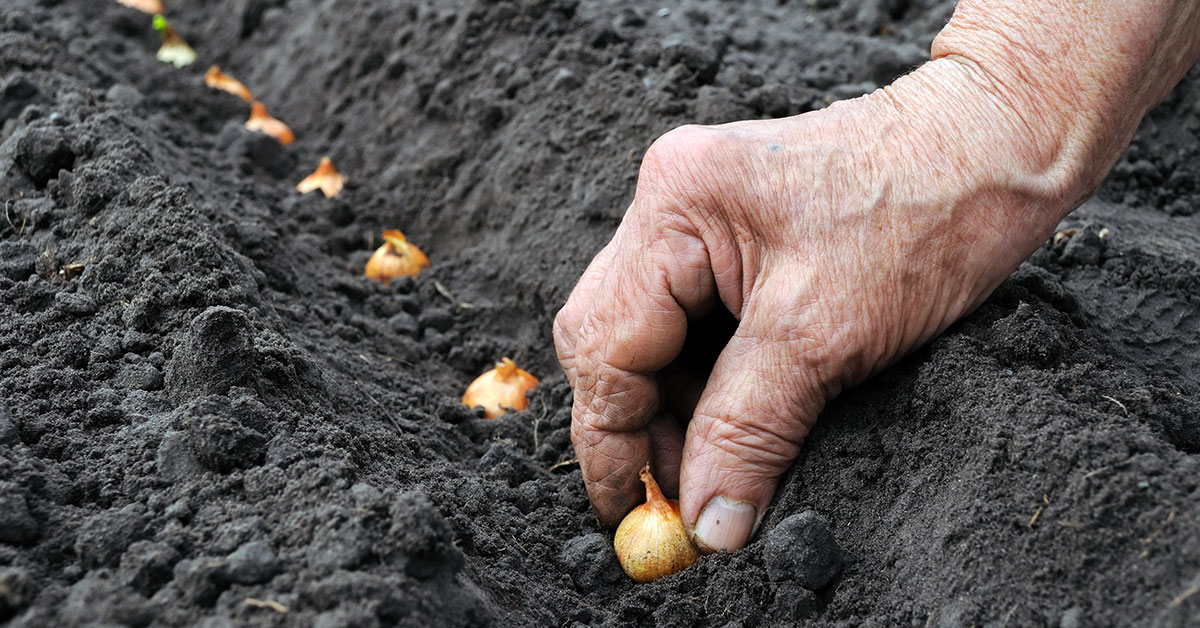

Are you a gardening enthusiast in British Columbia looking to grow your own onions? Well, you’ve come to the right place! In this article, we will explore the best time to plant onions in British Columbia, considering the region’s climate and conditions.
We will delve into the ideal months for planting, discuss the various factors that affect onion growth, and provide helpful tips to maximize your onion yield. So, grab your gardening tools, and let’s discover the perfect timing for planting onions in beautiful British Columbia!
Best onions to grow in British Columbia
There are several good onion varieties that grow well in British Columbia’s climate. Here are a few popular choices:
- Yellow Sweet Spanish: This variety produces large, sweet onions that are great for eating fresh or cooking. They have a mild flavor and store well.
- Walla Walla: These onions are known for their mild and sweet taste. They are large and have a flattened shape. Walla Walla onions are excellent for slicing and grilling.
- Red Baron: This variety has a deep red color and a mild flavor. Red onions are great for adding color and flavor to salads and sandwiches. They also store well.
- Copra: If you’re looking for a good storage onion, Copra is a reliable choice. These onions have a pungent flavor and a good storage life.
- Patterson: This variety is known for its strong flavor and long storage life. Patterson onions are excellent for cooking and can be stored for several months.
It’s important to note that onions are typically grown from sets or seedlings in British Columbia due to the region’s short growing season. Choose varieties that are well-suited to your specific location and gardening conditions.
When to plant Onions in British Columbia
British Columbia is divided into several different hardiness zones, each with its own specific climate and growing conditions. The hardiness zones help gardeners determine which plants are most likely to thrive in their region. Here are the hardiness zones in British Columbia:
- Zone 1: This is the coldest zone in British Columbia, found in the northernmost parts of the province. Winter temperatures can drop as low as -50°F (-45°C). This zone is not suitable for growing onions.
- Zone 2: This zone covers much of the central and northern interior regions of British Columbia. Winter temperatures range from -40°F to -50°F (-40°C to -45°C). Onions can be difficult to grow in this zone due to the short growing season and harsh winters.
- Zone 3: This zone encompasses parts of the central interior, including areas like Prince George and Williams Lake. Winter temperatures range from -30°F to -40°F (-35°C to -40°C). Onions can be grown in this zone, but it is important to choose early-maturing varieties and provide protection from frost.
- Zone 4: This zone includes the southern interior regions of British Columbia, including cities like Kamloops and Kelowna. Winter temperatures range from -20°F to -30°F (-30°C to -35°C). Onions can be successfully grown in this zone, but it is still recommended to choose early-maturing varieties.
- Zone 5: This zone covers the coastal regions of British Columbia, including Vancouver and Victoria. Winter temperatures range from -10°F to -20°F (-20°C to -30°C). Onions can be easily grown in this zone, and the milder climate allows for a longer growing season.
The best time to plant onions in British Columbia varies depending on the specific zone. In general, onions can be planted in early spring, once the soil has thawed and temperatures consistently stay above freezing. This is typically around April or May for most parts of the province.
However, it’s important to note that onions are cool-season crops and can tolerate light frosts. In Zone 5, where the climate is milder, onions can be planted as early as late winter or early spring. In colder zones like Zone 3 and 4, it’s advisable to start onions indoors from seeds or sets in late winter and transplant them outdoors once the risk of frost has passed.
To ensure successful onion growth, it’s recommended to choose varieties that are suitable for your specific hardiness zone and provide them with well-draining soil, adequate sunlight, and regular watering throughout the growing season.
When to harvest Onions in British Columbia
The optimal time to harvest onions in British Columbia is typically in late summer or early fall, around August or September. This is when the onion bulbs have fully matured and the tops start to dry and fall over. It’s important to monitor the plants closely and harvest them before the tops completely dry out and the bulbs start to rot in the ground.
Other considerations
When growing onions in British Columbia, there are a few additional considerations to keep in mind:
- Climate: Onions prefer cool weather and are typically grown as a spring or fall crop in British Columbia. Ensure that the soil temperature is at least 45°F (7°C) before planting, as onions are sensitive to cold temperatures.
- Soil: Onions thrive in well-draining soil with a pH level between 6.0 and 7.5. Improve the soil fertility by adding organic matter such as compost or well-rotted manure before planting.
- Watering: Onions require consistent moisture, especially during bulb development. Water regularly, aiming to keep the soil evenly moist but not waterlogged. Avoid overhead watering, as it can increase the risk of fungal diseases.
- Mulching: Applying a layer of organic mulch around the base of the onion plants can help conserve moisture, suppress weeds, and maintain a more consistent soil temperature.
- Fertilization: Onions are heavy feeders and benefit from regular fertilization. Before planting, incorporate a balanced fertilizer into the soil. Additionally, side-dress the plants with nitrogen-rich fertilizer every few weeks during the growing season.
- Onion varieties: Select onion varieties that are well-suited for British Columbia’s climate. Some recommended varieties include ‘Copra,’ ‘Walla Walla,’ ‘Red Baron,’ and ‘Yellow Globe.’
- Pest and disease management: Keep an eye out for common onion pests such as onion thrips, onion maggots, and onion root maggots. Use row covers or insecticidal soap to protect the plants. Fungal diseases like onion downy mildew and botrytis can also be a concern, so ensure good air circulation, avoid overhead watering, and practice crop rotation.
- Harvesting and storage: Harvest onions when the tops have dried and fallen over. Allow them to dry in a well-ventilated area for a few weeks before trimming the tops and storing them in a cool, dry place.
By considering these factors, you can increase your chances of successfully growing onions in British Columbia. Happy gardening!