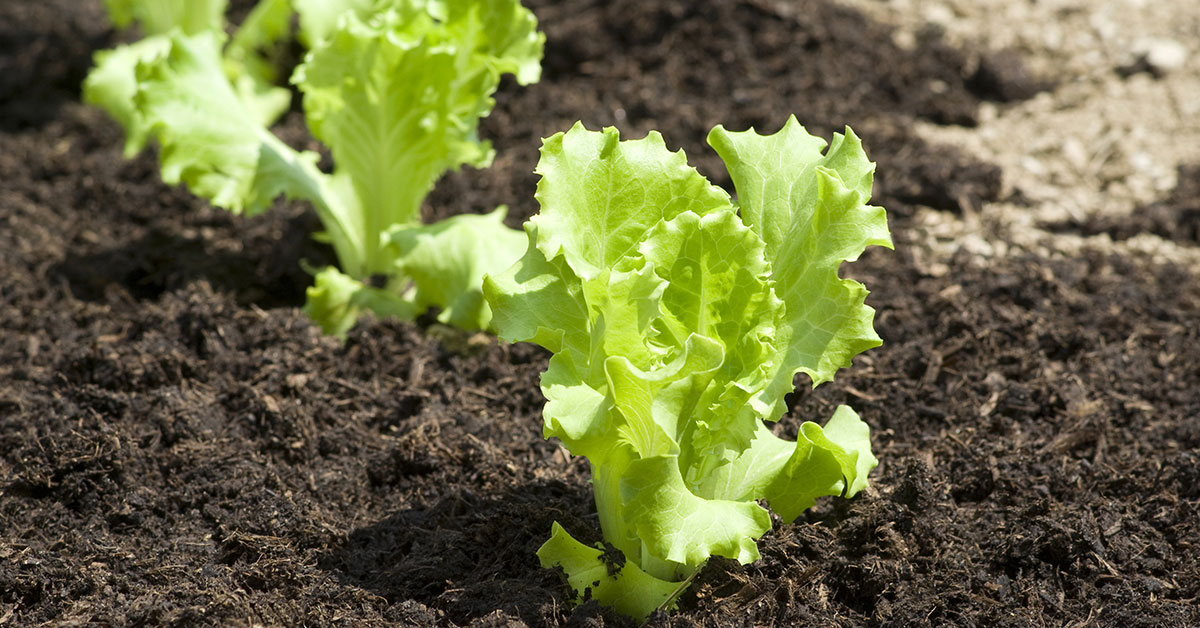

If you are a gardening enthusiast in Minnesota, you may be wondering when is the best time to plant lettuce in this northern region. With its cool climate and varying seasons, understanding the optimal planting window for lettuce in Minnesota can make all the difference in your garden’s success.
In this article, we will delve into the factors to consider when determining the best time to sow lettuce seeds or transplant seedlings in Minnesota. From frost dates to soil temperature, we will equip you with the knowledge you need to ensure a bountiful lettuce harvest in your own backyard. So grab your gardening gloves and let’s explore the ideal timing for lettuce planting in the Land of 10,000 Lakes.
Best lettuce varieties for Minnesota gardens
When it comes to growing lettuce in Minnesota, selecting the right varieties is key to success. The state’s unique climate and growing conditions require lettuce varieties that are hardy, cold-tolerant, and able to withstand the sometimes unpredictable weather. In this section, we will explore some of the best lettuce varieties that thrive in Minnesota’s growing conditions.
- Iceberg Lettuce:
Iceberg lettuce is a popular choice for many gardeners in Minnesota. This crisp and crunchy variety is known for its tightly packed heads and mild flavor. Iceberg lettuce is generally more cold-tolerant compared to other varieties, making it a suitable option for Minnesota’s cooler climate. - Romaine Lettuce:
Romaine lettuce is another excellent choice for Minnesota gardeners. With its elongated heads and slightly more robust flavor compared to iceberg lettuce, romaine is a versatile option for salads and sandwiches. This variety is known for its ability to tolerate both cooler and warmer temperatures, making it adaptable to Minnesota’s fluctuating weather. - Butterhead Lettuce:
Butterhead lettuce, such as Bibb and Boston varieties, is a favorite among many gardeners for its tender leaves and buttery texture. These varieties are suitable for Minnesota’s climate, as they can tolerate cooler temperatures and are less prone to bolting during the summer months. Butterhead lettuce is often grown in raised beds or containers, making it a great option for small gardens or urban settings. - Loose Leaf Lettuce:
Loose leaf lettuce varieties, including red and green leaf lettuce, are ideal for Minnesota gardeners who prefer a continuous harvest. Unlike head lettuces, loose leaf varieties can be harvested by simply picking individual leaves as needed, allowing the plant to keep producing throughout the growing season. These varieties are generally more cold-tolerant and can handle a range of temperatures, making them a reliable choice for Minnesota’s unpredictable weather.
Selecting the right lettuce varieties is crucial for successful lettuce cultivation in Minnesota. Iceberg, romaine, butterhead, and loose leaf lettuce are all excellent choices that can thrive in the state’s climate. Consider your preferences and gardening space when deciding which varieties to grow. By choosing the right lettuce varieties, you can enjoy a bountiful harvest of fresh, crisp, and delicious lettuce throughout the growing season in Minnesota.
When to plant Lettuce in Minnesota
Lettuce is a popular leafy green that can be easily grown in Minnesota, provided the right conditions and timing. In this section, we will explore the optimal time to plant lettuce in Minnesota, taking into consideration the region’s USDA hardiness zone.
The USDA hardiness zone is a classification system that helps gardeners understand the suitability of plants for specific regions based on their average annual minimum temperatures. Minnesota is divided into different hardiness zones, ranging from Zone 3a in the coldest parts of the state to Zone 4b in the milder regions.
Zone 3a: In Zone 3a, which covers the northernmost parts of Minnesota, the average annual minimum temperature ranges from -40°F to -35°F (-40°C to -37°C). Growing lettuce in this zone can be challenging due to the shorter growing season and colder temperatures. It is best to start lettuce indoors or in a greenhouse and then transplant seedlings outdoors after the threat of frost has passed, typically around late May or early June.
Zone 3b: Zone 3b, covering the central and northeastern parts of the state, has slightly milder average annual minimum temperatures ranging from -35°F to -30°F (-37°C to -34°C). While the growing season is still relatively short, it is possible to start lettuce indoors in early spring and transplant seedlings outdoors in late May or early June.
Zone 4a: Zone 4a, which includes much of central and southern Minnesota, experiences average annual minimum temperatures ranging from -30°F to -25°F (-34°C to -32°C). This zone offers a longer growing season compared to the more northern zones. Lettuce can be planted directly in the ground as early as late April or early May, once the soil has thawed and temperatures are consistently above freezing.
Zone 4b: Zone 4b, found in the southernmost parts of Minnesota, has average annual minimum temperatures ranging from -25°F to -20°F (-32°C to -29°C). This zone offers the longest growing season in the state. Lettuce can be planted directly in the ground as early as mid-April, taking advantage of the milder temperatures.
Knowing the USDA hardiness zone for your specific location in Minnesota is crucial for determining the right time to plant lettuce. While the northern regions may require indoor seed starting and transplanting, the southern regions offer a longer growing season and the possibility of direct seeding. By considering your zone and following recommended planting times, you can enjoy a successful lettuce harvest in Minnesota.
When to harvest Lettuce in Minnesota
Growing lettuce in Minnesota can be a rewarding experience, especially when you get to enjoy the fruits of your labor – fresh, crisp lettuce straight from your garden. However, knowing when to harvest your lettuce is crucial to ensure that it is at its peak flavor and texture. In this section, we will guide you on when to harvest lettuce in Minnesota for the best results.
- Pay attention to maturity dates:
Different varieties of lettuce have different maturity dates, ranging from 30 to 70 days. It is important to keep track of the maturity dates for the specific lettuce variety you are growing. This information can usually be found on the seed packet or plant tag. Harvesting too early may result in small or underdeveloped heads, while waiting too long may cause the lettuce to become bitter or bolt. - Observe leaf development:
Lettuce can be harvested at different stages of growth, depending on your preference. If you enjoy baby lettuce or loose leaf varieties, you can start harvesting leaves as soon as they reach a desirable size. Simply snip off the outer leaves, allowing the inner leaves to continue growing. For head lettuce varieties, wait until the heads are firm and fully formed before harvesting. - Consider weather conditions:
In Minnesota, lettuce thrives in cool weather, making it an ideal spring or fall crop. However, extreme heat can cause lettuce to bolt or become bitter. Keep an eye on the weather forecast and try to harvest your lettuce before a heatwave hits. If you notice that your lettuce is starting to elongate or send up a flower stalk, it’s a sign that it is bolting, and you should harvest it immediately. - Perform a taste test:
Ultimately, the best way to determine if your lettuce is ready for harvest is by performing a taste test. Harvest a small leaf or two and sample them. If the flavor is mild and the texture is crisp, it is a good indication that your lettuce is ready to be harvested. If the flavor is bitter or the texture is tough, it may need more time to mature. - Harvesting techniques:
To harvest lettuce, use a sharp knife or pair of scissors to cut the leaves or heads at the base, just above the soil level. Avoid tearing or pulling the lettuce, as this can damage the plant and reduce its shelf life. After harvesting, rinse the lettuce thoroughly to remove any dirt or debris, then store it in the refrigerator to maintain its freshness.
By following these guidelines, you can ensure that you harvest lettuce in Minnesota at the perfect time, resulting in delicious and nutritious salads for you and your family to enjoy. Happy gardening!
Other considerations
When it comes to growing lettuce in Minnesota, there are a few other considerations to keep in mind. While lettuce is generally a cool-season crop, the cold temperatures and short growing season in Minnesota can pose some challenges. In this section, we will explore some of these considerations and provide tips for successfully growing lettuce in the Land of 10,000 Lakes.
- Choosing the right lettuce varieties: When selecting lettuce varieties for your Minnesota garden, it’s important to choose those that are cold-tolerant and can withstand the fluctuating temperatures. Look for varieties such as ‘Arctic King’, ‘Winter Density’, and ‘Pirat’ that are known to perform well in colder climates.
- Timing your planting: Due to the short growing season, it’s crucial to time your lettuce planting properly. Start by sowing seeds indoors 4-6 weeks before the last frost date, and then transplant the seedlings into the garden when the soil has sufficiently warmed up. Alternatively, you can also direct sow the seeds outdoors once the soil temperature reaches around 40°F (4°C).
- Providing protection: The cold temperatures and potential late frosts in Minnesota can be detrimental to lettuce plants. To protect your lettuce from frost, consider using row covers or cloches to create a mini greenhouse effect and provide insulation. Additionally, consider planting lettuce in raised beds or containers that can be easily moved indoors during extreme weather conditions.
- Extending the growing season: To maximize the lettuce harvest, you can extend the growing season by using techniques such as succession planting and intercropping. Succession planting involves sowing seeds in multiple batches with a few weeks’ intervals, ensuring a continuous supply of fresh lettuce throughout the season. Intercropping lettuce with taller plants can provide shade and protection, allowing you to grow lettuce for a longer period.
- Managing soil fertility and moisture: Lettuce prefers well-draining soil that is rich in organic matter. Prior to planting, amend the soil with compost or well-rotted manure to improve its fertility and moisture retention. Regularly monitor the soil moisture levels, especially during hot summer months, and water consistently to prevent the lettuce from bolting.
- Pest and disease management: While lettuce is generally less prone to pests and diseases, it’s still essential to monitor your plants regularly. Keep an eye out for common pests like aphids, slugs, and snails, and take appropriate measures to control them. Additionally, practice crop rotation and proper sanitation to minimize the risk of diseases such as downy mildew and lettuce mosaic virus.
By considering these factors and implementing the suggested tips, you can overcome the challenges of growing lettuce in Minnesota and enjoy a bountiful harvest of fresh, crisp greens. With proper planning and care, you’ll be able to savor the taste of homegrown lettuce throughout the growing season, even in the northern climate of Minnesota.