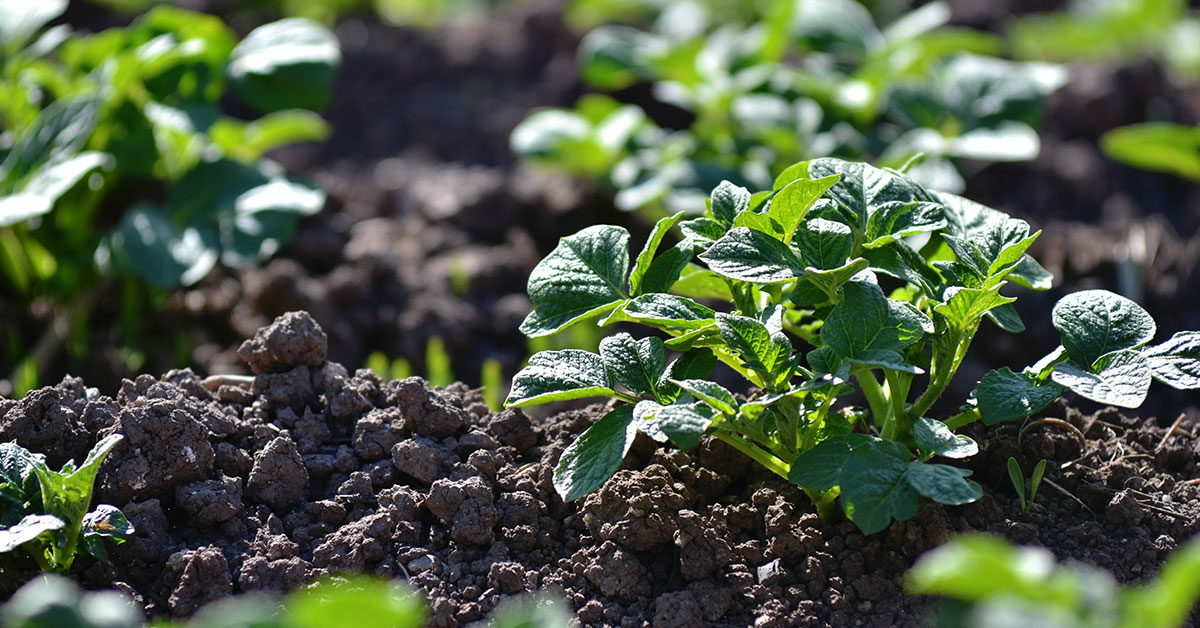

The Nicola Potato is known for its exceptional texture, rich flavor, and versatility in the kitchen. It has become a popular choice among gardeners and home growers. Whether you’re a seasoned gardener or a beginner with a green thumb, this article will provide you with all the information you need to successfully grow Nicola Potato in your own backyard.
From choosing the right soil to harvesting the perfect spuds, let’s dive into the world of Nicola Potato and discover how you can bring this delicious variety to your dinner table.
What is a Nicola Potato?
Nicola Potato is a medium-sized, oval-shaped potato with smooth, golden-yellow skin and creamy yellow flesh. It is often described as waxy, meaning it holds its shape well during cooking, making it suitable for dishes that require boiled or roasted potatoes to retain their texture. This variety of potato is believed to have originated in Germany and was introduced in the late 1980s.
Due to its distinct flavor and texture, Nicola Potato is highly regarded by chefs and home cooks alike. Its creamy flesh and low starch content make it an excellent choice for boiling, steaming, roasting, or using in salads. It holds its shape well even after cooking, making it suitable for dishes like potato salads, gratins, or even as a side dish to accompany various meat or vegetable preparations.
Nicola Potato’s unique flavor profile is often described as buttery, nutty, and slightly sweet. This flavor enhances the taste of any dish it is incorporated into, making it a sought-after ingredient for many chefs. Its versatility allows it to be used in a variety of cuisines, whether it be in traditional European dishes or in more contemporary fusion recipes.
In addition to its culinary attributes, Nicola Potato also offers several nutritional benefits. Like other potatoes, it is a good source of carbohydrates, providing energy to the body. It also contains essential vitamins and minerals such as vitamin C, potassium, and dietary fiber. These nutrients contribute to overall health and well-being, supporting immune function, heart health, and digestion.
What does a Nicola Potato taste like?
When it comes to potatoes, there are countless varieties available, each with its unique flavor profile. One such variety that has gained popularity in recent years is the Nicola Potato. With its distinct taste and texture, Nicola Potatoes are a favorite among food enthusiasts and chefs alike.
The flavor of Nicola Potatoes can be described as buttery and earthy, with a delicate nuttiness that sets it apart from other potato varieties. Its flesh is creamy, making it ideal for mashing, roasting, or boiling. The potato’s thin skin adds a slight sweetness to the overall taste, enhancing its appeal.
What truly makes Nicola Potatoes stand out is their versatility. Due to their rich flavor and smooth texture, they can be used in a wide range of dishes. Whether you’re making a comforting potato soup, crispy roasted potatoes, or creamy mashed potatoes, Nicola Potatoes will always deliver a delicious result.
Another reason why Nicola Potatoes are highly regarded is their ability to hold their shape well during cooking. This makes them perfect for dishes like potato salads, gratins, or even in stews and casseroles. Their ability to maintain their texture adds to the overall dining experience, providing a satisfying mouthfeel with every bite.
Additionally, Nicola Potatoes are known for their nutritional value. Like many other potato varieties, they are a good source of dietary fiber, vitamins, and minerals. They are low in fat and calories, making them a healthier choice compared to some other starchy vegetables.
If you haven’t tried Nicola Potatoes yet, it’s time to give them a chance. Their unique taste and versatility will surely impress your taste buds and elevate your culinary creations. Whether you’re a home cook or a professional chef, Nicola Potatoes are a fantastic addition to any kitchen.
How to start from seed
Growing your own potatoes can be a rewarding and delicious experience. Nicola potatoes are a popular variety known for their smooth skin, creamy flesh, and versatile culinary uses. We will guide you through the process of starting Nicola potatoes from seed, allowing you to enjoy a bountiful harvest of this tasty tuber in your own backyard.
- Selecting Seed Potatoes:
To start growing Nicola potatoes, it is essential to choose high-quality seed potatoes. Look for certified seed potatoes from a reputable supplier or garden center. Ensure that the potatoes are firm, free from any signs of decay or disease, and have at least one or two “eyes” or buds. - Preparing Seed Potatoes:
Before planting, it is important to prepare your seed potatoes. Cut larger seed potatoes into smaller pieces, ensuring that each piece has at least one healthy eye. Allow the cut surfaces to dry for a day or two to prevent rotting. - Preparing the Garden Bed:
Choose a sunny location in your garden with well-draining soil. Potatoes prefer loose, loamy soil with good fertility. Remove any weeds or debris from the planting area and amend the soil with organic matter, such as compost or well-rotted manure, to improve its structure and nutrient content. - Planting the Seed Potatoes:
Dig shallow trenches in the prepared garden bed, spaced about 12-15 inches apart. Place the seed potatoes, cut side down, in the trenches, with each piece spaced about 12-15 inches apart. Cover the potatoes with about 2-3 inches of soil, ensuring that the sprouting eyes are facing upwards. - Watering and Mulching:
After planting, thoroughly water the potato bed to ensure good soil moisture. As the potato plants grow, maintain consistent moisture levels, ensuring that the soil is damp but not waterlogged. Consider applying a layer of organic mulch, such as straw or wood chips, around the plants to retain moisture and suppress weed growth. - Caring for Nicola Potato Plants:
As the potato plants grow, they will require regular care. Monitor soil moisture levels and water as needed to prevent the plants from drying out. Once the plants reach a height of 6-8 inches, mound soil or mulch around the base of the plants to encourage tuber development and protect the growing potatoes from sunlight, which can cause them to turn green.
How to grow this plant in your garden
Growing your own vegetables can be a rewarding and satisfying experience, and potatoes are a popular choice for many home gardeners. In this section, we will guide you through the process of growing Nicola potatoes in your own garden.
- Choosing the Right Seed Potatoes:
The first step in growing Nicola potatoes is to choose the right seed potatoes. Look for certified disease-free Nicola seed potatoes from a reputable supplier. Select potatoes that are firm, healthy, and have prominent sprouts (known as “eyes”). - Preparing the Soil:
Nicola potatoes thrive in well-draining, fertile soil. Begin by preparing the soil by removing any weeds, rocks, or debris. Dig the soil to a depth of about 8-10 inches and incorporate organic matter, such as compost or well-rotted manure, to improve soil fertility and structure. Ensure that the soil pH is around 5.5-7, as potatoes prefer slightly acidic to neutral soil. - Planting:
Planting Nicola potatoes is relatively easy. Cut the seed potatoes into pieces, making sure each piece has at least one sprout. Allow the cut pieces to dry for a day or two to prevent rotting. Plant the seed potatoes about 4-6 inches deep and 10-12 inches apart in rows, with about 2-3 feet spacing between rows. Ensure that the sprouts are facing upwards. - Watering and Mulching:
Potatoes require consistent moisture throughout their growing season. After planting, water the potatoes thoroughly and keep the soil evenly moist. Mulching around the potato plants can help conserve moisture, suppress weed growth, and protect the developing tubers from sunlight, which can cause them to turn green and become toxic. - Fertilizing:
Potatoes are heavy feeders and will benefit from regular fertilization. Apply a balanced organic fertilizer or compost to the soil around the plants when they are about 6-8 inches tall. Repeat the application every 4-6 weeks during the growing season. Avoid excessive nitrogen fertilization, as it can lead to excessive foliage growth at the expense of tuber development. - Hilling:
Hilling is an essential practice in potato cultivation, including Nicola potatoes. As the potato plants grow, mound soil or mulch around the base of the plants to cover the lower stems. Additionally, hilling helps prevent the tubers from exposure to sunlight and encourages more potatoes to form along the buried stems. - Pest and Disease Management:
Potatoes can be susceptible to various pests and diseases, such as potato beetles, aphids, and late blight. Monitor your potato plants regularly and take appropriate measures to control pests and diseases if necessary. Consider using organic methods, such as hand-picking pests or using insecticidal soap, to minimize chemical exposure. - Harvesting:
Nicola potatoes are typically ready for harvest in about 90-120 days after planting, depending on growing conditions. The potato plants will start to die back, and the foliage will turn yellow. Carefully dig up the potatoes using a garden fork or shovel, being careful not to damage the tubers. Allow the harvested potatoes to dry and cure in a cool, dark place for a few days before storing.
Growing Nicola potatoes can be a satisfying and rewarding experience for any home gardener. By following these steps, you can enjoy a bountiful harvest of delicious Nicola potatoes that you can enjoy in a variety of culinary dishes.