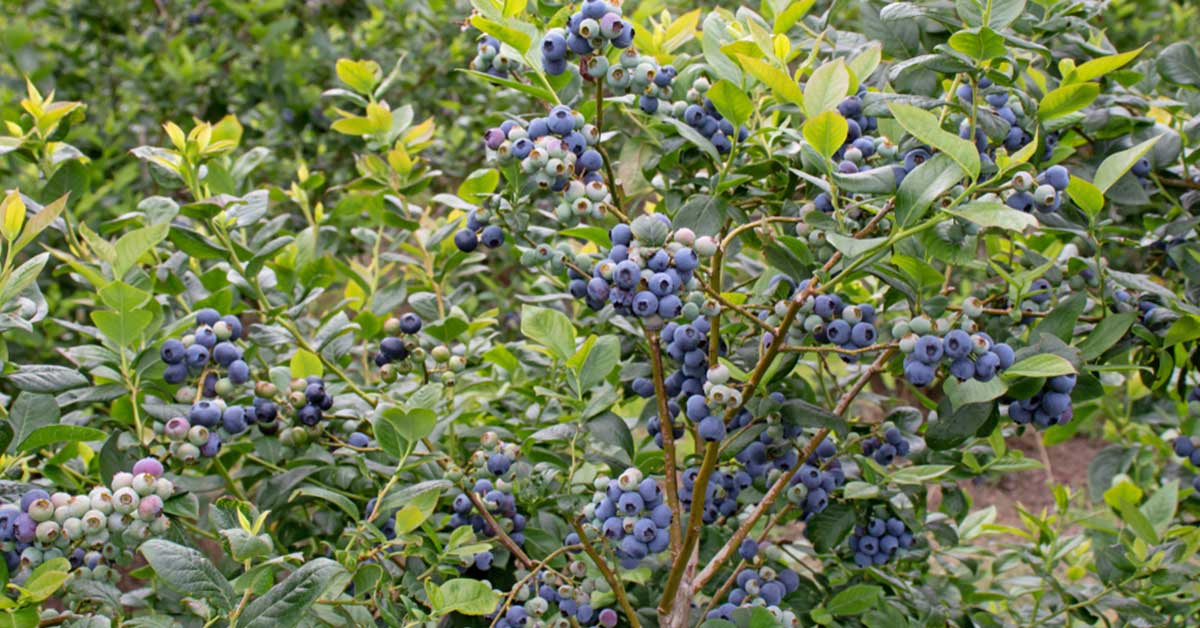

The Nelson Blueberry is a delightful and highly sought-after variety of blueberry. Not only is it delicious but it’s easy to grow in a garden as well. Whether you are an experienced gardener or a novice with a green thumb, this article will provide you with all the information you need to successfully cultivate and care for this exceptional fruit.
From understanding the ideal growing conditions to learning the best practices for maintenance and harvesting, we have got you covered.
What is a Nelson Blueberry?
Nelson Blueberry is a type of blueberry that is known for its exceptional taste and unique characteristics. It is named after the town of Nelson in New Zealand’s South Island, where it was first cultivated. This particular variety of blueberry has gained popularity among blueberry enthusiasts and farmers alike, thanks to its superior flavor and numerous health benefits.
The Nelson Blueberry is a medium-sized berry with a deep blue color and a slightly tart taste. It has a firm and juicy texture, making it perfect for eating fresh or adding to various culinary creations. The berries are typically harvested during the summer months when they are at their peak ripeness.
One of the distinguishing features of the Nelson Blueberry is its high antioxidant content. Antioxidants are compounds that help protect the body against free radicals, which can cause oxidative stress and damage to cells. Blueberries, in general, are considered one of the best sources of antioxidants, and the Nelson variety is no exception.
In addition to their antioxidant properties, Nelson Blueberries are also rich in vitamins and minerals. They are an excellent source of vitamin C, vitamin K, and manganese. These nutrients play important roles in supporting a healthy immune system, promoting bone health, and aiding in blood clotting.
Unlike some other types of blueberries, Nelson Blueberries are known for their ability to withstand colder climates. This makes them an ideal choice for farmers in regions with more challenging weather conditions. The plants are hardy and can tolerate frost, allowing for successful cultivation in areas where other blueberry varieties may struggle.
Whether you enjoy them on their own, in baked goods, or added to smoothies, Nelson Blueberries are a delicious and nutritious addition to any diet. Their unique flavor and health benefits make them a popular choice among berry lovers, and their versatility in culinary applications makes them a favorite amongst chefs and home cooks alike.
What does a Nelson Blueberry taste like?
Nelson Blueberries are incredibly sweet. They have a high sugar content that makes them irresistibly delicious. When you bite into a Nelson Blueberry, you’ll experience a burst of natural sweetness that is sure to satisfy your taste buds.
But it’s not just the sweetness that sets Nelson Blueberries apart. They also have a subtle tartness that adds complexity to their flavor. This tartness provides a nice balance to the sweetness and creates a delightful contrast in every bite.
Another defining characteristic of Nelson Blueberries is their juiciness. When you bite into a ripe Nelson Blueberry, you’ll notice how juicy it is. The juice from these berries is not only refreshing but also enhances the overall flavor experience.
The texture of Nelson Blueberries is also worth mentioning. They have a firm yet tender texture that adds to the overall enjoyment of eating them. Whether you’re snacking on them raw or using them in baked goods, their texture holds up well and adds a pleasant mouthfeel.
Overall, the taste of Nelson Blueberries can be described as a harmonious blend of sweetness, tartness, and juiciness. They are bursting with natural flavors that make them a favorite among blueberry enthusiasts.
How to start from seed
Starting Nelson Blueberry from seed is a rewarding and cost-effective way to grow this delicious and nutritious fruit at home. While it may require some patience and care, the process can be enjoyable and fruitful. In this section, we will guide you through the steps to successfully start Nelson Blueberry from seed.
Prepare the seeds: If you collected the seeds from fresh berries, gently wash and remove any pulp or residue. Dry the seeds thoroughly before planting to prevent fungal growth. You can air-dry them on paper towels for a few days. Alternatively, you can purchase pre-packaged Nelson Blueberry seeds, which are already cleaned and ready for planting.
Planting the seeds: Fill your seed tray or pots with the seed starting mix, leaving a little space at the top for watering. Sow the Nelson Blueberry seeds on the surface of the soil, spacing them about an inch apart. Lightly cover the seeds with a thin layer of the seed starting mix. Remember not to bury them too deep, as they need light to germinate.
Provide optimal growing conditions: Place the seed tray or pots in a warm and bright location, preferably near a south-facing window or under grow lights. Maintain a consistent temperature between 70-75°F (21-24°C) to encourage germination. Keep the soil moist but not waterlogged. Avoid letting the soil dry out completely or become oversaturated. To create a greenhouse effect, cover the tray or pots with plastic wrap or a seedling dome. This will help retain moisture and heat.
Germination and care: Nelson Blueberry seeds usually take around 4-6 weeks to germinate, but be patient as it can sometimes take longer. Once the seedlings emerge, remove the plastic wrap or seedling dome to allow air circulation. Provide adequate light to the seedlings to promote healthy growth.
If natural light is insufficient, supplement with fluorescent grow lights. Water the seedlings regularly, keeping the soil evenly moist. Avoid overwatering to prevent root rot. When the seedlings have developed a few sets of true leaves and are strong enough, transplant them into individual pots or containers.
How to grow this fruit in your garden
Before you start growing Nelson Blueberries, it’s important to choose the right variety that suits your climate and soil conditions. Nelson Blueberries are a cold-hardy variety, making them perfect for regions with colder winters. Look for varieties specifically bred for your climate zone to ensure better chances of success. Some popular Nelson Blueberry varieties include ‘Bluecrop,’ ‘Jersey,’ and ‘Duke.’
Preparing the Soil:
Nelson Blueberries thrive in well-draining, acidic soil with a pH level between 4.0 and 5.5. Test your soil using a soil testing kit and amend it accordingly. If your soil is not acidic enough, you can lower the pH by adding elemental sulfur or acidic organic matter such as pine needles or peat moss. Prepare the soil by removing any weeds or grass and adding organic matter like compost or well-rotted manure to improve its fertility.
Planting Nelson Blueberries:
When it comes to planting Nelson Blueberries, it’s crucial to provide them with the right growing conditions. Choose a sunny spot in your garden that receives at least six hours of direct sunlight daily. Dig a hole that is twice as wide and deep as the plant’s root ball. Place the plant in the hole, making sure the top of the root ball is level with the soil surface. Backfill the hole with amended soil, gently tamping it down around the plant. Water thoroughly after planting to settle the soil.
Caring for Nelson Blueberries:
To ensure the health and productivity of your Nelson Blueberry plants, proper care is essential. Regular watering is crucial, especially during dry spells. Aim to keep the soil consistently moist but not waterlogged. Mulching around the plants with organic mulch, such as wood chips or straw, can help retain moisture and suppress weeds. Pruning is also important to maintain a healthy and productive plant. Prune in late winter or early spring to remove any dead or damaged branches and to encourage new growth.
Harvesting and Enjoying the Fruits:
After patiently caring for your Nelson Blueberry plants, it’s finally time to enjoy the fruits of your labor. Blueberries are typically ready for harvest when they turn dark blue and easily detach from the plant. Gently pick the berries, being careful not to damage the delicate fruits. Freshly picked Nelson Blueberries can be enjoyed right away or used in various culinary creations, such as pies, jams, or smoothies.
By selecting the right variety, preparing the soil, and providing proper care, you can successfully grow Nelson Blueberries in your garden. Remember to be patient and consistent in your efforts, and soon you’ll be savoring the sweet rewards of your hard work.