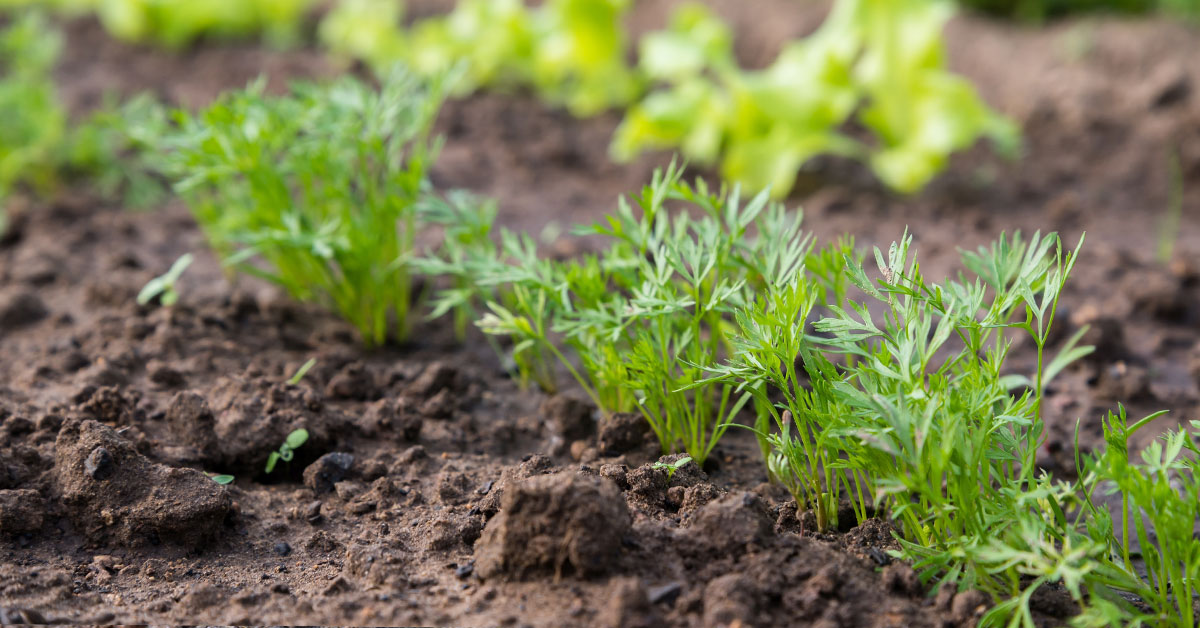

The Nantes carrot, known for its vibrant orange color, crisp texture, and sweet flavor, is a popular choice among gardeners due to its ease of cultivation and versatility in the kitchen.
In this article, we will explore everything you need to know about growing Nantes carrots, including the ideal growing conditions, planting techniques, care tips, and harvesting methods.
What is a Nantes Carrot?
The Nantes carrot is named after the city of Nantes in France, where it was originally developed. It is a heirloom variety that has been cultivated for centuries due to its exceptional taste and texture. The carrot is known for its cylindrical shape, which is relatively short and stout compared to other carrot varieties. Its smooth skin has a vibrant orange color, making it visually appealing and enticing.
One of the key reasons why Nantes carrots are highly sought after is their exceptional flavor. Unlike some other carrot varieties, Nantes carrots have a sweet and juicy taste with a mild earthy undertone. Their texture is crisp and tender, making them perfect for eating raw or cooking in various dishes. The natural sweetness of Nantes carrots makes them a favorite choice for juicing or including in salads.
Apart from their delightful taste, Nantes carrots are also packed with essential nutrients that contribute to a healthy diet. Carrots, in general, are a rich source of beta-carotene, which gets converted into Vitamin A in the body. This nutrient is crucial for maintaining good vision, promoting a healthy immune system, and supporting overall well-being. Additionally, Nantes carrots are also a good source of dietary fiber, which aids in digestion and helps regulate blood sugar levels.
One of the reasons why Nantes carrots have gained popularity is their versatility in culinary applications. Due to their sweet flavor and tender texture, they can be enjoyed in a variety of ways. Nantes carrots can be used in soups, stews, stir-fries, roasted dishes, and even desserts. Their natural sweetness also makes them an excellent ingredient for baking carrot cakes or muffins.
What does a Nantes Carrot taste like?
When it comes to carrots, there are countless varieties, each with its own unique flavor profile. One of the most popular and widely enjoyed varieties is the Nantes carrot. Known for its sweet and crunchy nature, the Nantes carrot offers a delightful taste that is hard to resist.
Nantes carrots are notably sweeter than other carrot varieties, making them perfect for snacking or adding a touch of natural sweetness to your favorite dishes. Their flavor is often described as earthy and slightly nutty, providing a pleasant depth to any recipe they are used in.
The texture of Nantes carrots is also noteworthy. These carrots have a crisp and crunchy texture, which enhances the overall eating experience. Whether consumed raw or cooked, Nantes carrots retain their firmness, adding a satisfying crunch to salads, stir-fries, or even roasted vegetable medleys.
When cooked, Nantes carrots maintain their natural sweetness and develop a tender texture. They can be steamed, boiled, or roasted to bring out their full flavor potential. The sweetness intensifies during cooking, making them a versatile ingredient for both savory and sweet dishes.
Due to their delightful taste and texture, Nantes carrots are not only a favorite among carrot enthusiasts but also a go-to choice for chefs and home cooks alike. Their versatility allows them to be used in a wide range of recipes, from soups and stews to side dishes and desserts.
In summary, Nantes carrots are known for their sweet and crunchy nature, making them a popular choice for carrot lovers. Their earthy and slightly nutty flavor adds depth to any dish, while their crisp texture provides a satisfying crunch. Whether eaten raw or cooked, Nantes carrots are a versatile ingredient that can be enjoyed in a variety of culinary creations.
How to start from seed
To ensure a successful start to your Nantes Carrot journey, it’s essential to choose high-quality seeds. Look for reputable seed suppliers or nurseries that offer certified organic or heirloom Nantes Carrot seeds. These seeds will have a higher germination rate and produce healthier plants.
Preparing the Soil:
Nantes Carrots thrive in loose, well-draining soil that is rich in organic matter. Start by clearing the area of any weeds or debris. Loosen the soil to a depth of about 8-10 inches, ensuring that there are no clumps or compacted areas. Incorporate compost or well-rotted manure to improve soil fertility and drainage.
Sowing the Seeds:
Nantes Carrots can be directly sown outdoors when the soil temperature reaches around 45-75°F (7-24°C). In most regions, this is usually in early spring or late summer. Sow the seeds thinly, about 1/4 inch deep, and space them 2 inches apart. Leave about 12-18 inches between rows to allow the carrots enough space to grow.
Watering and Care:
Keep the soil consistently moist but not waterlogged during the germination period, which typically takes around 10-14 days. Once the seedlings emerge, reduce the frequency of watering but ensure the soil doesn’t dry out completely. Deep, infrequent watering is ideal to encourage the carrots to grow long and straight.
Thinning and Weeding:
When the seedlings reach about 2 inches in height, thin them out to prevent overcrowding. Aim for a spacing of about 2-3 inches between each carrot plant. Regularly weed the area to prevent competition for nutrients and space.
Nantes Carrots require full sun to thrive, so choose a location in your garden that receives at least 6-8 hours of direct sunlight each day. They also prefer cooler temperatures, so be mindful of providing shade during scorching summer days.
Pest and Disease Control:
Keep an eye out for common carrot pests such as carrot rust flies and aphids. Consider using organic pest control methods such as companion planting with repellent herbs or installing floating row covers to protect the crop.
How to grow this vegetable in your garden
These instructions will guide you through the process of successfully growing Nantes carrots, from choosing the right location and soil to harvesting and storing them. Additionally, we’ll explore some delicious recipes to enjoy your homegrown Nantes carrots.
Choosing the Right Location and Soil: Select a location in your garden that receives at least six hours of direct sunlight daily, as carrots require ample sunlight for proper growth.
Nantes carrots prefer loose, well-draining soil. Ensure the soil is free from rocks and debris to promote the formation of long, straight carrots. Prepare the soil by loosening it with a garden fork or tiller to a depth of 8-10 inches.
Planting Nantes Carrot Seeds: Plant Nantes carrot seeds directly into the prepared soil, as they do not transplant well. Sow the seeds about ¼ to ½ inch deep, spacing them 2 inches apart in rows 12-18 inches apart. Lightly cover the seeds with soil.
Gently water the soil immediately after planting to provide moisture for germination. Keep the soil consistently moist but not waterlogged during the growing season.
Watering and Fertilizing Nantes Carrots: Carrots require regular watering, especially during dry spells. Water deeply and evenly to ensure the entire root develops properly. Avoid overhead watering to prevent disease.
Nantes carrots grow best in fertile soil. Apply a balanced organic vegetable fertilizer according to the package instructions. Additionally, side-dress the plants with compost or aged manure halfway through the growing season to provide a nutrient boost.
Weed Control and Pest Management: Keep the carrot patch weed-free by regularly removing weeds to prevent competition for nutrients and space. Be cautious not to disturb the shallow carrot roots while weeding.
Common pests that affect carrots include carrot fly and root knot nematodes. To deter carrot fly, cover the plants with lightweight row covers or erect a physical barrier (such as a tall fence) around the patch. Crop rotation and maintaining healthy soil can help deter nematode infestation.
Harvesting and Storing Nantes Carrots: Nantes carrots are usually ready to harvest 60-80 days after sowing. Gently pull or dig out the mature carrots, being careful not to damage the roots. Harvest as needed, or uproot the entire crop at once.
Remove the leafy tops, which tend to draw moisture from the roots, but leave approximately 1 inch of the stem intact. Store the carrots in a cool, humid environment. They can either be stored in the refrigerator in airtight containers with damp paper towels or in a root cellar.