
The Imperator Carrot is known for being visually appealing but also packs a delightful crunch and sweet flavor. Whether you’re a novice gardener or have a green thumb, we’ll provide you with all the essential tips and tricks to successfully cultivate Imperator Carrots in your very own backyard.
What is an Imperator Carrot?
One of the striking features of the Imperator Carrot is its elongated shape, often reaching a length of 8 to 12 inches (20 to 30 cm). This slender carrot variety has a tapered tip and a smooth, cylindrical body, making it ideal for slicing, dicing, or grating. The vibrant orange color is indicative of its high beta-carotene content, which contributes to its nutritional value and health benefits. Imperator Carrots are known for their crisp texture and sweet flavor, making them a versatile ingredient in various culinary dishes.
The Imperator Carrot originated in the Mediterranean region and has been grown for centuries. Its name, “Imperator,” is derived from the Latin word for “emperor,” signifying its regal stature and popularity. Over time, this carrot variety has been selectively bred and improved to enhance its taste, texture, and nutritional profile. Today, Imperator Carrots are widely cultivated in different parts of the world, including Europe, North America, and Asia. They thrive in well-drained, sandy soil and require a cool climate for optimal growth.
The versatile nature of the Imperator Carrot makes it an excellent ingredient in both raw and cooked dishes. Its elongated shape makes it perfect for slicing into thin strips or julienne, adding a vibrant touch to salads, coleslaws, and stir-fries. The sweet flavor of the Imperator Carrot pairs well with various spices and herbs, making it a popular choice for soups, stews, and roasted vegetable medleys. Additionally, its natural sweetness makes it a fantastic ingredient for baking, where it can be used in cakes, muffins, and even carrot-based desserts.
Apart from its delicious taste and culinary versatility, the Imperator Carrot is also packed with essential nutrients and health benefits. Carrots, in general, are known for their high beta-carotene content, which converts to vitamin A in the body. This nutrient is crucial for maintaining good vision, promoting healthy skin, and supporting the immune system. Additionally, Imperator Carrots are a great source of dietary fiber, vitamin K, potassium, and antioxidants, making them a nutritious addition to any diet.
What does an Imperator Carrot taste like?
When it comes to taste, Imperator Carrots have a pleasant sweetness that is more pronounced compared to other carrot varieties. The natural sugars present in these carrots give them a subtle, almost fruity flavor, making them a favorite among carrot enthusiasts and chefs alike.
The texture of Imperator Carrots is also noteworthy. They have a crisp and crunchy texture when eaten raw, which makes them perfect for salads, slaws, or simply as a healthy snack. When cooked, Imperator Carrots become tender and retain their sweet flavor, making them a versatile ingredient in various culinary preparations.
The sweetness and mild earthiness of Imperator Carrots make them an excellent addition to both sweet and savory dishes. Their vibrant color and pleasant taste can enhance the flavor and visual appeal of soups, stews, stir-fries, roasted vegetable medleys, and even baked goods like carrot cakes or muffins.
Whether eaten raw or cooked, Imperator Carrots offer a refreshing and satisfying taste that pairs well with a wide range of ingredients and flavors. Their versatility in the kitchen allows for endless possibilities when it comes to incorporating them into your favorite recipes.
How to start from seed
Growing your own Imperator carrots from seed can be a rewarding and satisfying experience. In this section, we will guide you through the step-by-step process of starting your Imperator carrot seeds to ensure a successful harvest.
- Selecting the Right Seeds:
Before you start, it’s important to choose high-quality Imperator carrot seeds. Look for reputable seed suppliers or nurseries that offer certified organic or non-GMO seeds. Ensure that the seeds are fresh and haven’t exceeded their expiration date. - Preparing the Soil:
Imperator carrots thrive in loose, well-draining soil. Prepare the soil by removing any weeds, rocks, or debris that may hinder root growth. Use a garden fork or tiller to loosen the soil to a depth of at least 12 inches. Incorporate organic matter such as compost or well-rotted manure to improve the soil’s fertility and moisture-retaining capabilities. - Sowing the Seeds:
Carrots are best sown directly into the garden soil as they do not transplant well. Choose a sunny location in your garden that receives at least 6-8 hours of sunlight daily. Create furrows in the soil about half an inch deep and space them approximately 12-18 inches apart to allow ample room for root development. - Planting the Seeds:
Carefully sprinkle the Imperator carrot seeds along the furrows, aiming for a spacing of about 1 inch between each seed. It’s essential not to overcrowd the seeds as this can result in stunted growth and misshapen carrots. Lightly cover the seeds with a thin layer of soil and gently pat it down to ensure good seed-to-soil contact. - Watering and Maintenance:
Once the seeds are planted, it’s crucial to keep the soil consistently moist until germination occurs. Use a gentle misting spray or a watering can with a fine rose attachment to prevent displacing the seeds. Regularly monitor the soil’s moisture levels and water as needed, aiming to keep it evenly moist but not waterlogged. - Thinning the Seedlings:
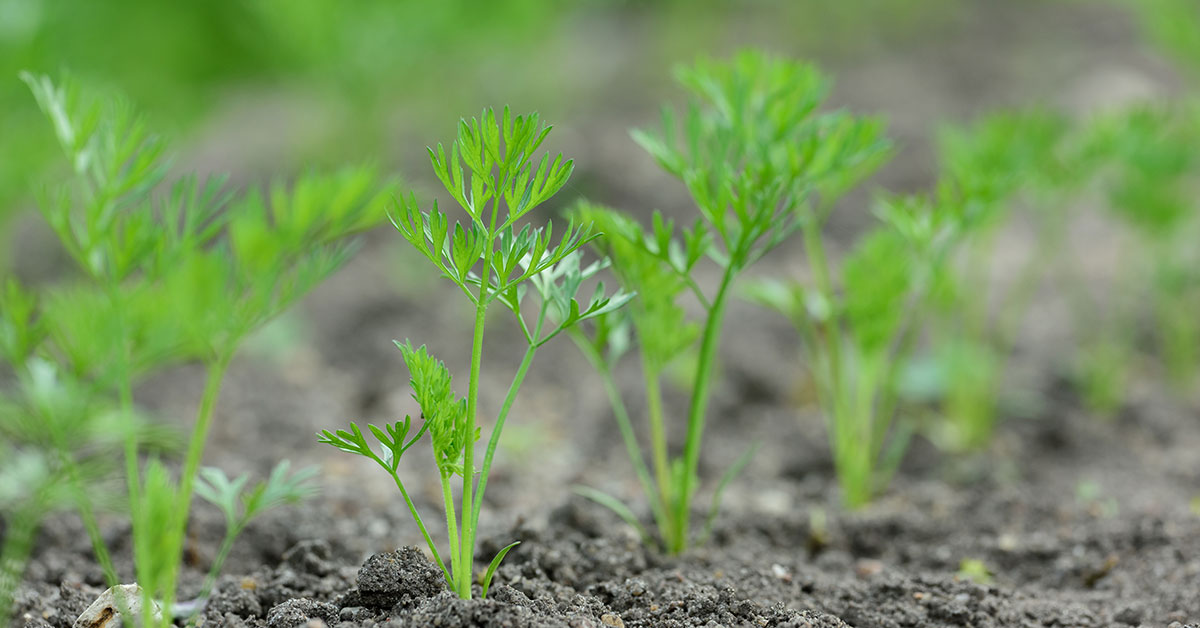
As the carrot seedlings emerge, they will appear as tiny, delicate shoots. When the seedlings reach a height of 2-3 inches, thin them out to ensure proper spacing. Carefully remove any excess seedlings, leaving only the strongest and healthiest ones to grow. Thinning will allow the developing carrots to have enough space for healthy root development and optimal growth. - Providing Adequate Care:
To promote healthy growth, ensure the carrots receive sufficient sunlight and water. Regularly monitor for pests and diseases, and take appropriate measures to prevent or manage them. Consider applying organic mulch around the carrot plants to help retain moisture, suppress weed growth, and regulate soil temperature.
How to grow this vegetable in your own garden
Growing your own Imperator Carrots can be a rewarding and satisfying experience. These long, slender carrots are known for their sweet flavor and vibrant orange color. In this section, we will discuss the basic requirements for growing Imperator Carrots and provide you with some helpful tips to ensure a successful harvest.
Choosing the Right Location:
Imperator Carrots require full sun for at least six hours a day, so it’s important to choose a location in your garden that receives ample sunlight. The soil should be well-drained and rich in organic matter, as carrots prefer loose, loamy soil. Consider using raised beds or containers if your soil is heavy or compacted.
Preparing the Soil:
Before planting your Imperator Carrot seeds, it’s crucial to prepare the soil properly. Start by removing any weeds or debris from the area and loosen the soil to a depth of at least 12 inches. Incorporate organic matter, such as compost or well-rotted manure, to improve soil fertility and drainage.
Sowing the Seeds:
Imperator Carrot seeds are small and delicate, so it’s essential to handle them with care during sowing. Create furrows in the prepared soil, about 1/4 inch deep and spaced 2-3 inches apart. Sow the seeds thinly along the furrows, covering them lightly with soil. Water gently to ensure good seed-to-soil contact.
Watering and Maintenance:
Proper watering is crucial for the successful growth of Imperator Carrots. Keep the soil consistently moist but not waterlogged. Avoid overwatering, as it can cause the roots to rot. Mulching around the base of the plants can help retain moisture and prevent weed growth. Regularly inspect your plants for pests or diseases and take appropriate measures to control them.
Thinning and Transplanting:
Once the seedlings have emerged, it’s important to thin them out to allow proper spacing for the carrots to grow. When the seedlings are about 2 inches tall, thin them to one plant every 2-3 inches. Thinning ensures that each carrot has enough space to develop fully. You can enjoy the thinned seedlings as baby carrots in salads or stir-fries.
Harvesting Imperator Carrots:
Imperator Carrots typically take around 70-80 days to reach maturity. You can start harvesting them when they have reached their desired size, usually around 7-8 inches long and about 1 inch in diameter. Gently loosen the soil around the carrot with a garden fork and pull it out, taking care not to damage the roots. Freshly harvested Imperator Carrots are delicious and can be enjoyed raw, steamed, roasted, or added to various culinary preparations.