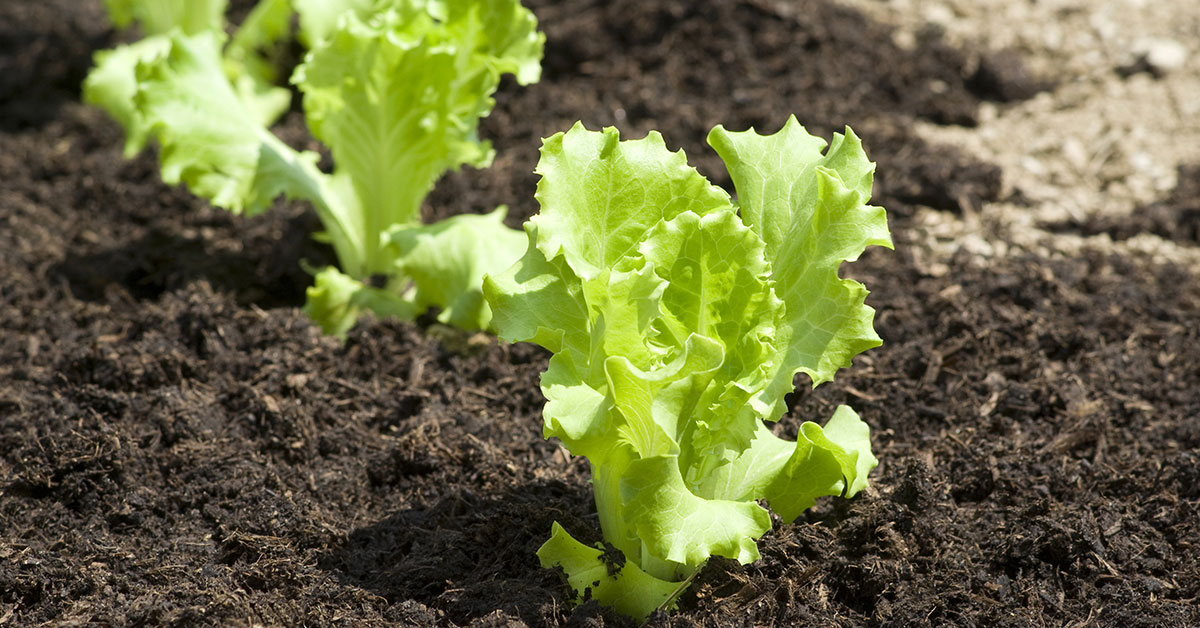

Are you a gardening enthusiast in North Dakota? Are you wondering when is the best time to plant lettuce in your region? Look no further! In this article, we will explore the ideal planting period for lettuce in North Dakota, considering the unique climate and growing conditions of the area. Whether you’re a seasoned gardener or a beginner, knowing the optimum time to plant lettuce can make a significant difference in the success of your crop. So, let’s dive in and discover the perfect timing for growing delicious, crunchy lettuce right in your own backyard!
Best lettuce varieties for North Dakota gardens
Lettuce is a versatile and popular vegetable, known for its crisp leaves and refreshing taste. If you are a North Dakota resident and looking to grow lettuce in your garden, it is important to choose varieties that are well-suited to the region’s climate and growing conditions. In this blog section, we will discuss some of the best lettuce varieties for North Dakota and provide insights into their characteristics and growing requirements.
North Dakota experiences a challenging climate, with long, cold winters and relatively short growing seasons. Therefore, it is crucial to select lettuce varieties that can withstand low temperatures and still produce good yields. Here are some cold-tolerant lettuce varieties that are well-adapted to North Dakota’s climate:
- ‘Winter Density’: This compact lettuce variety is known for its exceptional cold tolerance and is perfect for early spring and fall planting. It forms small, dense heads with crisp, sweet leaves.
- ‘Arctic King’: As the name suggests, Arctic King lettuce is specifically bred for colder regions. It has a tight head and can withstand frost, making it an excellent choice for early spring and late fall planting.
- ‘Parris Island’: This classic romaine lettuce variety is known for its cold resistance and ability to produce well in cooler temperatures. It has elongated, sturdy leaves and a mild flavor.
While North Dakota is known for its harsh winters, it also experiences relatively hot summers, especially in the central and eastern parts of the state. Therefore, it is important to choose lettuce varieties that can tolerate heat and still thrive in these conditions. Here are some heat-tolerant lettuce varieties suitable for North Dakota:
- ‘Black-Seeded Simpson’: This popular lettuce variety is known for its heat resistance and ability to remain tender even in hot weather. It has light green, frilly leaves and a mild flavor.
- ‘Salad Bowl’: Salad Bowl lettuce is a loose-leaf variety that grows quickly and remains tender and flavorful even in hot temperatures. It is an excellent choice for continuous harvesting throughout the summer.
- ‘Red Sails’: This vibrant red lettuce variety is not only visually appealing but also known for its heat tolerance. It has ruffled leaves and a slightly sweet flavor, making it a great addition to salads.
To ensure successful lettuce cultivation in North Dakota, here are some useful tips:
- Start seeds indoors: Since North Dakota’s growing season is relatively short, it is advisable to start lettuce seeds indoors 4-6 weeks before the last expected frost date. This will give your plants a head start and maximize your harvest.
- Provide shade: During the hot summer months, lettuce can benefit from some shade to prevent bolting (premature flowering). Consider using shade cloth or planting lettuce near taller crops that can provide natural shade.
- Adequate watering: Lettuce requires consistent moisture, especially during hot and dry periods. Water your plants regularly, ensuring the soil remains evenly moist, but not waterlogged.
- Successive plantings: To extend your lettuce harvest, consider making successive plantings every few weeks. This will ensure a continuous supply of fresh lettuce throughout the growing season.
By choosing the appropriate lettuce varieties and following these tips, you can enjoy a bountiful lettuce harvest in North Dakota, regardless of its challenging climate. Stay tuned for our next blog section, where we will discuss soil preparation and planting techniques for lettuce in North Dakota.
When to plant Lettuce in North Dakota
Lettuce is a versatile and nutritious leafy green vegetable that can be easily grown in North Dakota. However, the timing of planting is crucial to ensure a successful harvest. In this section, we will discuss the ideal time to plant lettuce in North Dakota, taking into account the region’s USDA hardiness zone.
Before we delve into the specifics of lettuce planting, it’s important to understand the USDA hardiness zone of North Dakota. The USDA hardiness zone map divides North America into different zones based on average annual minimum temperatures. North Dakota falls into various zones, including 3a, 3b, and 4a, depending on the region.
Zone 3a: Northwestern North Dakota, including cities like Williston and Watford City.
Zone 3b: Central and Northeastern North Dakota, including cities like Bismarck and Fargo.
Zone 4a: Southeastern North Dakota, including cities like Grand Forks and Valley City.
Now that we have an understanding of the USDA hardiness zones in North Dakota, let’s discuss the best time to plant lettuce in each zone.
Zone 3a: In this region, the growing season is relatively short due to the colder temperatures. It is recommended to start planting lettuce indoors around mid-April, 4-6 weeks before the last expected frost. Transplanting the seedlings outdoors can be done around mid-May, once the danger of frost has passed.
Zone 3b: The central and northeastern parts of North Dakota have a slightly longer growing season compared to Zone 3a. Planting lettuce indoors can begin in early to mid-April, approximately 4-6 weeks before the last expected frost. Transplanting the seedlings outdoors can be done around early to mid-May.
Zone 4a: Southeastern North Dakota has a relatively longer growing season compared to the other zones. Starting lettuce indoors can be done in early to mid-April, similar to Zone 3b. Transplanting the seedlings outdoors can be done around early to mid-May, once the risk of frost has passed.
Here are some additional tips to ensure a successful lettuce planting in North Dakota:
- Choose the right lettuce varieties: Opt for lettuce varieties that are suitable for cooler temperatures and have a shorter maturity period. Some recommended varieties include ‘Buttercrunch,’ ‘Black Seeded Simpson,’ and ‘Romaine.’
- Provide proper soil preparation: Ensure your soil is well-draining and rich in organic matter. Adding compost or well-rotted manure can improve soil fertility and moisture retention.
- Consider using row covers: To protect young lettuce seedlings from cold temperatures and pests, consider using row covers or cold frames. These covers provide an extra layer of insulation and help extend the growing season.
Knowing when to plant lettuce in North Dakota, considering the USDA hardiness zone, is crucial for a successful and bountiful harvest. By following the recommended planting times and adopting proper planting techniques, you can enjoy fresh and home-grown lettuce throughout the growing season.
When to harvest Lettuce in North Dakota
Lettuce is a versatile and nutritious leafy green that can thrive in a variety of climates, including North Dakota. Whether you are an experienced gardener or a beginner, growing lettuce in North Dakota can be a rewarding and enjoyable experience. One important aspect of lettuce cultivation is knowing when to harvest it. In this blog section, we will explore the optimal timing for harvesting lettuce in North Dakota.
Lettuce comes in various varieties, each with its own unique characteristics and growth patterns. It is essential to consider the specific type of lettuce you are growing, as different varieties have different maturity dates. Some common lettuce varieties that grow well in North Dakota include butterhead, romaine, and leaf lettuces. Understanding the specific variety you are cultivating will help you determine when it is best to harvest.
To determine the right time for lettuce harvest, it is crucial to monitor the plant’s growth and development. Lettuce typically reaches maturity within 45 to 60 days after sowing, depending on the variety. Keep a close eye on the growth rate, size, and appearance of the lettuce leaves. As the lettuce plants mature, you will notice changes in color, texture, and size, indicating that they are ready for harvesting.
One reliable way to determine if your lettuce is ready for harvest is by examining the leaf formation. Lettuce leaves should be well-formed, crisp, and vibrant in color. For loose-leaf varieties, you can start harvesting individual leaves as soon as they reach a desirable size. This method allows you to enjoy a continuous harvest while giving the remaining leaves more time to grow.
When harvesting lettuce heads, it is essential to wait until they have reached their full size but before they begin to bolt or flower. Bolting is the process where lettuce starts to produce a tall flowering stalk, which can negatively impact the taste and texture of the leaves. To prevent your lettuce from bolting, harvest the heads promptly once they have reached the desired size. For most lettuce varieties, this is when the heads are firm, compact, and have a diameter of around six to eight inches.
To harvest lettuce heads, use a sharp knife or garden shears to cut the head off at the base, just above the soil level. Be careful not to damage any surrounding leaves or the crown of the plant. For loose-leaf varieties, gently snip off individual leaves at the base, allowing the remaining leaves to continue growing.
Knowing when to harvest lettuce in North Dakota is essential for ensuring the best flavor and texture of your homegrown greens. By monitoring growth and development, checking leaf formation, and timing the harvest correctly, you can enjoy a bountiful and delicious lettuce harvest throughout the growing season. Experiment with different lettuce varieties and harvesting methods to find the ones that work best for you. Happy lettuce growing!
Other considerations for growing Lettuce in North Dakota
While lettuce is a versatile and popular vegetable, growing it in North Dakota can present some unique challenges. In addition to the general requirements for growing lettuce, there are specific considerations that need to be taken into account due to the state’s climate and growing conditions. In this section, we will explore some of these factors and provide helpful tips for successfully growing lettuce in North Dakota.
- Cold Tolerance:
North Dakota experiences long, cold winters, which can be detrimental to lettuce plants. It’s important to choose lettuce varieties that are cold-tolerant and can withstand freezing temperatures. Some popular cold-tolerant lettuce varieties include Winter Density, Arctic King, and Marvel of Four Seasons. Consider using row covers or cold frames to provide added protection during the colder months. - Short Growing Season:
Another challenge for lettuce growers in North Dakota is the relatively short growing season. To maximize your lettuce harvest, consider starting seeds indoors or using transplants. This will give your lettuce plants a head start before the outdoor growing conditions are ideal. Additionally, look for lettuce varieties that have shorter maturity dates, allowing you to harvest a crop before the frost sets in. - Soil Preparation:
Proper soil preparation is crucial for successful lettuce cultivation. North Dakota soils can be heavy and clay-like, which can lead to poor drainage and hinder root development. To improve soil structure, add organic matter such as compost or well-rotted manure. This will help with moisture retention and ensure good drainage. Additionally, test your soil’s pH levels and adjust accordingly, as lettuce prefers a slightly acidic soil with a pH range of 6.0 to 7.0. - Watering and Irrigation:
Lettuce plants require consistent moisture to thrive, and this is especially important in North Dakota’s drier climate. Regular watering is crucial, particularly during hot and dry periods. Consider using drip irrigation or soaker hoses to provide a slow, deep watering that reaches the plant’s roots without causing excessive moisture on the leaves, which can lead to disease. Mulching around the lettuce plants can also help retain moisture and prevent weed growth. - Pest and Disease Management:
Lettuce is susceptible to various pests and diseases, and it’s important to be proactive in their management. Common pests in North Dakota include aphids, slugs, and cutworms. Regularly inspect your lettuce plants for signs of infestation and take appropriate measures to control and prevent damage. Additionally, keep an eye out for common diseases such as lettuce mosaic virus, downy mildew, and powdery mildew. Good sanitation practices, crop rotation, and the use of organic pest control methods can help minimize the impact of pests and diseases.
Conclusion:
While growing lettuce in North Dakota may present some challenges, with careful planning and attention to specific considerations, it is definitely possible to have a successful harvest. By selecting cold-tolerant varieties, starting seeds early, improving soil quality, ensuring proper irrigation, and managing pests and diseases, you can enjoy fresh and healthy lettuce from your garden throughout the growing season. Happy lettuce gardening in North Dakota!