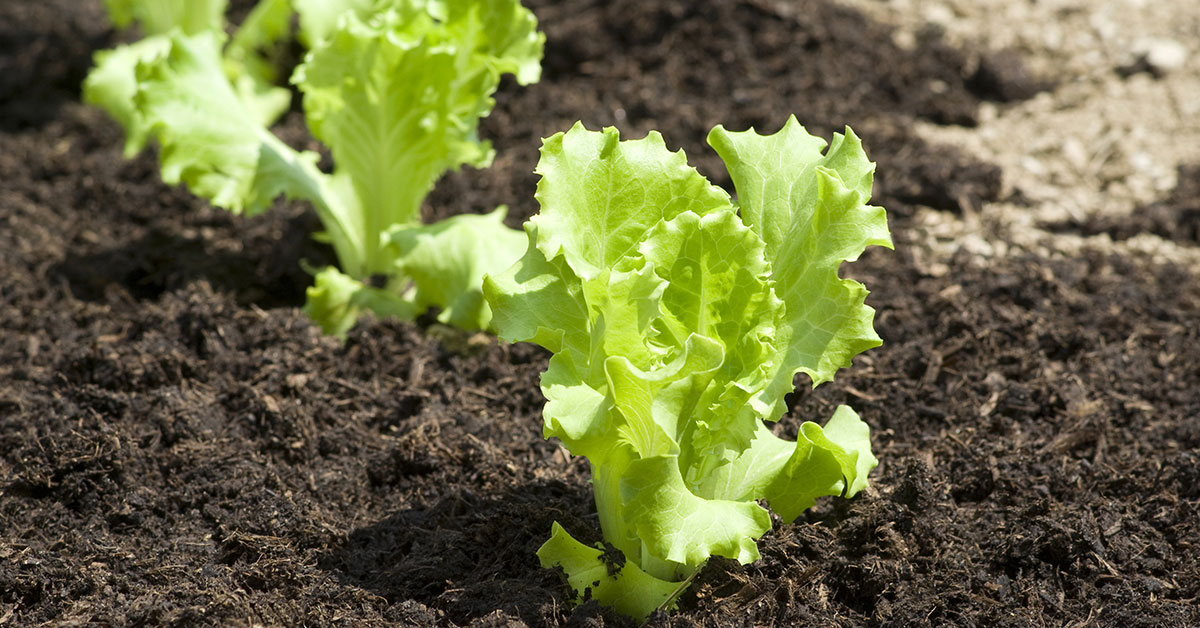

Utah, with its diverse landscapes and varying microclimates, offers a haven for gardeners seeking to cultivate an array of crops. Among the leafy delights, lettuce reigns supreme as a cool-season favorite, known for its versatility and vibrant flavors. However, determining the perfect timing for planting lettuce in Utah is vital to ensure a successful harvest, considering Utah’s unique climate and distinct growing regions.
In this article, we embark on a journey through the art of lettuce cultivation, unraveling the mysteries of when to sow these tender greens across different zones of Utah. Whether you’re a seasoned gardener or a curious beginner, join us as we explore the optimal planting times for lettuce, empowering you to sow your seeds at the right moment and reap a bountiful harvest. Get ready to unlock the secrets of lettuce cultivation in the beautiful state of Utah.
Best lettuce varieties for Utah gardens
When it comes to selecting lettuce varieties for Utah gardens, it’s important to consider the region’s climate and growing conditions. Here are some lettuce varieties that tend to perform well in Utah:
- Crisphead Lettuce (Iceberg): Iceberg lettuce varieties, such as ‘Great Lakes’ or ‘Crispino,’ can thrive in Utah’s cooler temperatures. They form tight heads with crisp leaves, making them a popular choice for salads and sandwiches.
- Romaine Lettuce: Romaine lettuce varieties, such as ‘Parris Island’ or ‘Cimarron,’ are known for their tall, elongated heads and sturdy, crisp leaves. Romaine lettuce performs well in Utah’s mild to moderate climates and is resistant to bolting.
- Looseleaf Lettuce: Looseleaf lettuce varieties, including ‘Salad Bowl,’ ‘Red Sails,’ or ‘Black-Seeded Simpson,’ are excellent choices for Utah gardens. These lettuces do not form heads and are harvested by plucking individual leaves. They are quick-growing and perfect for continuous harvesting throughout the season.
- Butterhead Lettuce: Butterhead lettuce varieties, such as ‘Buttercrunch’ or ‘Bibb,’ have tender leaves and a mild flavor. They form loose heads with soft, buttery leaves and perform well in Utah’s milder seasons or when provided with partial shade.
- Summer Crisp Lettuce: Summer Crisp (Batavian) lettuce varieties, such as ‘Nevada,’ ‘Sierra,’ or ‘Concept,’ are known for their heat tolerance. They have crisp, sweet leaves and can withstand the warmer temperatures often experienced in Utah during the summer months.
- Oakleaf Lettuce: Oakleaf lettuce varieties, such as ‘Oakleaf,’ ‘Oscarde,’ or ‘Red Salad Bowl,’ are hardy and can tolerate a range of temperatures. They have distinct oak-shaped leaves and perform well in Utah’s varying climates.
When selecting lettuce varieties, consider factors such as taste preferences, heat tolerance, and maturity time. It can also be beneficial to choose both early-maturing and heat-resistant varieties to extend your lettuce harvest throughout the growing season.
Additionally, consulting with local gardening resources, experienced gardeners, or agricultural extension offices in Utah can provide more precise recommendations based on your specific location, elevation, and microclimate.
By selecting lettuce varieties suited to Utah’s conditions, you can enjoy a vibrant and plentiful harvest of fresh, crisp greens from your garden.
When to plant lettuce in Utah
In Utah, the optimal timing for planting lettuce depends on the specific USDA hardiness zone you are in. Here’s a breakdown of the different zones found in the state and the recommended planting times for lettuce:
- USDA Hardiness Zone 4a: This zone covers high-elevation areas in northern Utah, including parts of Cache Valley and the Uinta Mountains. Due to the shorter growing season, the recommended planting time for lettuce in Zone 4a is typically between late May and early June. This allows for the avoidance of late spring frosts and ensures the soil has warmed up sufficiently.
- USDA Hardiness Zone 4b: This zone encompasses areas such as Park City and Heber City. Similar to Zone 4a, the recommended planting time for lettuce in Zone 4b is generally between late May and early June to avoid late spring frosts.
- USDA Hardiness Zone 5a: This zone covers regions including Salt Lake City and Ogden. The recommended planting time for lettuce in Zone 5a is typically from mid-April to early May. Planting earlier in the season allows for cooler temperatures, which lettuce prefers.
- USDA Hardiness Zone 5b: This zone includes areas like Provo and Logan. The recommended planting time for lettuce in Zone 5b is similar to Zone 5a, between mid-April and early May.
- USDA Hardiness Zone 6a: This zone covers regions such as St. George and Cedar City. The recommended planting time for lettuce in Zone 6a is typically between mid-March and early April. The milder climate of Zone 6a allows for an earlier planting window.
These planting times are general guidelines, and it’s important to monitor local weather conditions, especially the last expected frost date in your area. Adjustments may be necessary based on microclimates, elevation, and specific conditions in your garden.
Additionally, selecting lettuce varieties suited for cooler temperatures and heat tolerance, such as leaf lettuces or romaine varieties, can help maximize your success in Utah’s diverse growing conditions.
For precise planting recommendations tailored to your location within Utah, consulting with local gardening resources, experienced gardeners, or agricultural extension offices is highly recommended.
When to harvest lettuce in Utah
The timing for harvesting lettuce in Utah depends on the specific variety you are growing and the prevailing conditions in your area. Here are some general guidelines to help you determine when to harvest lettuce:
- Leaf Lettuce: Leaf lettuce varieties can be harvested on an ongoing basis as the leaves reach a desirable size. For baby greens, you can begin harvesting individual leaves as soon as they are large enough to use. For mature leaves, you can harvest them when they have reached full size but are still tender and before they start to develop a bitter taste. Continuous harvesting of outer leaves allows the center of the plant to continue producing new growth.
- Butterhead and Romaine Lettuce: Butterhead and romaine lettuce varieties typically form heads. Harvest butterhead lettuce when the heads are firm and full but not overly dense. For romaine lettuce, wait until the heads are fully developed and have reached their mature size. This is usually around 50-70 days after planting, depending on the variety. To harvest, cut the entire head at the base just above the soil level.
In Utah, lettuce is often grown as a cool-season crop, and the harvest period generally falls within the spring and early summer months. The exact timing for harvest depends on the planting date, weather conditions, and the specific variety you are growing.
To determine if your lettuce is ready for harvest, visually assess the size and appearance of the leaves or heads, depending on the variety. Additionally, taste-testing the leaves can help you gauge their flavor and tenderness.
It’s important to note that lettuce can bolt (produce a flowering stalk) and turn bitter when exposed to prolonged hot temperatures. Harvesting lettuce before or during bolting is advisable to ensure optimal flavor and quality.
These guidelines are general recommendations, and it’s always a good idea to refer to the specific instructions provided with the lettuce variety you are growing. Additionally, consulting with local gardening resources, experienced gardeners, or agricultural extension offices in Utah can provide more precise advice based on your location and growing conditions.
Other considerations for growing lettuce in Utah
When growing lettuce in Utah, there are a few additional considerations to keep in mind to ensure successful cultivation:
- Watering: Utah’s arid climate and low humidity levels mean that lettuce plants require consistent moisture to thrive. Adequate watering is crucial, especially during hot and dry periods. Provide a consistent and even supply of moisture to the plants, aiming for about 1 inch of water per week. Mulching around the plants can help retain soil moisture and reduce evaporation.
- Shade and Sun Protection: Lettuce prefers cooler temperatures and can be sensitive to excessive heat and sun exposure. Consider providing shade or using shade cloth to protect the plants during the hottest parts of the day. This can help prevent the leaves from wilting or becoming bitter.
- Soil Preparation: Prior to planting, prepare the soil by incorporating organic matter, such as compost, to improve moisture retention and drainage. Lettuce prefers well-draining soil with a slightly acidic pH level (around 6.0-6.5).
- Pest and Disease Management: Be vigilant about monitoring for common pests and diseases that can affect lettuce, such as aphids, slugs, snails, and fungal diseases like powdery mildew. Regularly inspect the plants and take appropriate measures, such as handpicking pests or applying organic pest control methods, if necessary.
- Cold Protection: In early spring or late fall, when temperatures can drop significantly, be prepared to protect lettuce plants from frost or freezing conditions. Covering them with row covers, cloths, or using other forms of frost protection can help prevent damage.
- Successive Plantings: To ensure a continuous harvest of lettuce, consider making successive plantings every few weeks. This will help maintain a steady supply of fresh leaves as earlier plantings mature or bolt.
- Season Extension: Consider using season extension techniques such as cold frames, hoop houses, or row covers to extend the lettuce growing season into late fall or early winter. This can help you enjoy fresh lettuce for a longer period.
- Crop Rotation: Rotate your lettuce crops each year to prevent the buildup of pests and diseases in the soil. Avoid planting lettuce or other leafy greens in the same spot year after year.
By considering these additional factors when growing lettuce in Utah, you can optimize your chances of a successful harvest and enjoy a plentiful supply of fresh, crisp greens. Consulting with local gardening resources, experienced gardeners, or agricultural extension offices in your area can provide valuable insights and recommendations tailored to the unique conditions of Utah.