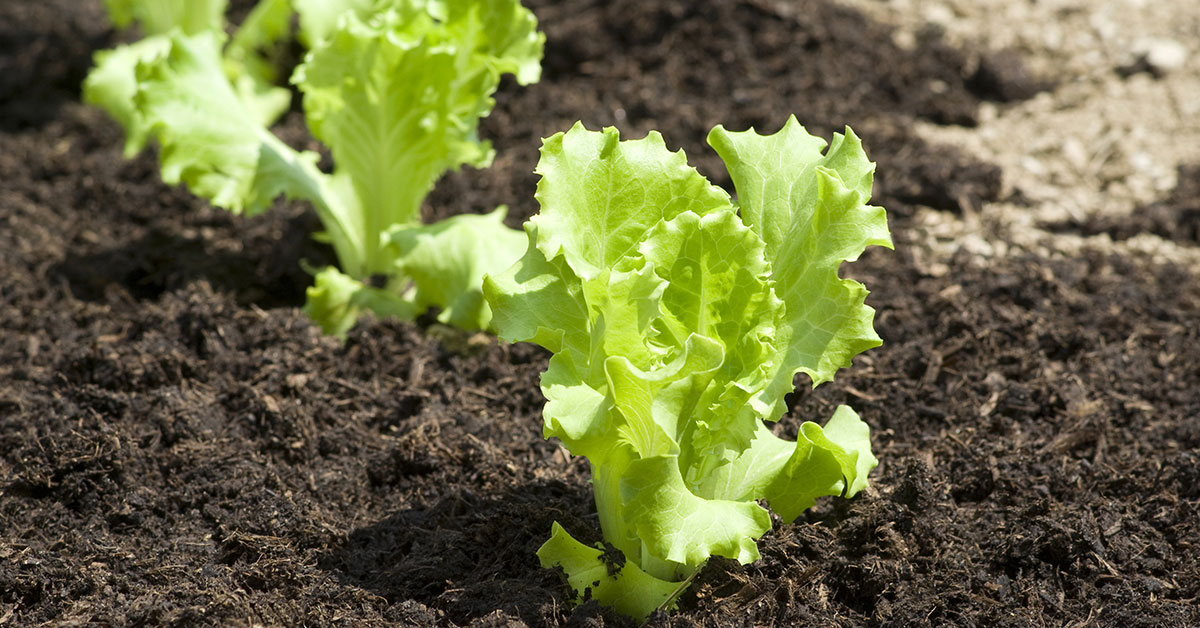

Are you a green thumb itching to get your hands in the soil and start planting? If you’re a Connecticut resident looking to grow your own lettuce, you’re in luck! In this article, we’ll guide you through the optimal time to plant lettuce in Connecticut, ensuring a bountiful harvest for your salads and sandwiches. From understanding the climate to selecting the right lettuce varieties, we’ve got you covered. So, grab your gardening gloves and let’s dig in!
Best lettuce varieties for Connecticut gardens
When it comes to growing lettuce in Connecticut, it’s important to choose varieties that are well-suited to the region’s climate and growing conditions. Here are some of the best lettuce varieties that thrive in Connecticut:
- ‘Black Seeded Simpson’: This variety is a popular choice among Connecticut gardeners due to its ability to withstand the region’s cool springs and hot summers. ‘Black Seeded Simpson’ lettuce features tender, light-green leaves that are perfect for salads.
- ‘Buttercrunch’: Known for its buttery texture and sweet flavor, ‘Buttercrunch’ lettuce is a versatile variety that can be grown throughout the growing season in Connecticut. It forms loose heads with crisp, thick leaves, making it an excellent choice for both salads and sandwiches.
- ‘Romaine’: Romaine lettuce is a classic choice that can tolerate Connecticut’s fluctuating weather conditions. This variety forms tall, upright heads with crunchy leaves and a slightly bitter taste. ‘Romaine’ lettuce is often used in Caesar salads and adds a refreshing crunch to sandwiches.
- ‘Red Leaf’: If you’re looking to add some color to your garden, ‘Red Leaf’ lettuce is a fantastic option. This variety has vibrant, burgundy-red leaves that are not only visually appealing but also packed with vitamins and antioxidants. ‘Red Leaf’ lettuce can be harvested as baby leaves or grown to full size for salads.
- ‘Oak Leaf’: Another popular choice for Connecticut gardeners is ‘Oak Leaf’ lettuce. This variety gets its name from its distinctive lobed leaves, which resemble oak tree leaves. ‘Oak Leaf’ lettuce is known for its mild flavor and tender texture, making it a great addition to salads.
When selecting lettuce varieties for your Connecticut garden, consider factors such as your preferred taste, desired harvest time, and available space. Additionally, it’s a good practice to choose a mix of lettuce varieties to ensure a continuous harvest throughout the growing season.
By opting for these well-adapted lettuce varieties, you can enjoy a bountiful harvest of fresh, crisp lettuce leaves right from your own backyard in Connecticut. Happy gardening!
When to plant lettuce in Connecticut
If you’re a gardening enthusiast in Connecticut and want to grow your own lettuce, timing is crucial. Understanding the suitable planting window according to the region’s USDA hardiness zone will significantly increase your chances of a successful harvest. In this section, we will discuss the ideal time to plant lettuce in Connecticut, taking into account the USDA hardiness zone for the region.
The United States Department of Agriculture (USDA) has divided the country into various hardiness zones based on the average annual minimum temperature. These zones help gardeners determine which plants are most likely to thrive in their specific region. Connecticut falls within USDA hardiness zones 5 and 6, depending on the location.
Zone 5 and Lettuce Planting: Connecticut’s USDA hardiness zone 5 typically experiences cold winters with average minimum temperatures ranging from -20°F to -10°F (-28°C to -23°C). In this zone, it is essential to start lettuce planting early, as the growing season may be relatively short. To maximize your harvest, consider sowing lettuce seeds indoors around early to mid-April. Once the danger of frost has passed, usually by mid-May, you can transfer the seedlings outdoors.
Zone 6 and Lettuce Planting:
Connecticut’s USDA hardiness zone 6 has a slightly milder climate compared to zone 5, with average minimum temperatures ranging from -10°F to 0°F (-23°C to -18°C). In this zone, the lettuce planting window expands, allowing for a longer growing season. You can start sowing lettuce seeds indoors as early as mid-March or directly in the garden around early April. Transplanting seedlings outdoors should be done when the risk of frost has subsided, typically in late April or early May.
Consider Microclimates:
While USDA hardiness zones provide a general guideline for planting, it’s important to note that microclimates can exist within Connecticut. Factors such as proximity to bodies of water, urban heat islands, and elevation can influence local temperature variations. Be sure to observe your specific microclimate and adjust your planting times accordingly.
Timing is crucial when it comes to growing lettuce in Connecticut. Understanding the region’s USDA hardiness zone, whether it’s 5 or 6, will help you determine the ideal planting window. Remember to start your seeds indoors or directly sow them outdoors according to the recommended timeline and transplant them into your garden once the frost risk has passed. By following these guidelines, you’ll be well on your way to a bountiful lettuce harvest in Connecticut.
When to harvest lettuce in Connecticut
Lettuce is a versatile and nutritious vegetable that can be grown in Connecticut’s climate. With its cool and temperate weather, Connecticut offers ideal conditions for lettuce cultivation. However, knowing when to harvest your lettuce is crucial to ensure that it reaches its peak flavor and texture. In this section, we will guide you on when and how to harvest lettuce in Connecticut.
- Monitoring growth stages: Lettuce goes through different growth stages, and it’s essential to monitor these stages to determine when it is ready to be harvested. The first stage is the seedling stage, which lasts for about two to three weeks after planting. At this stage, the lettuce leaves are tender and small, and it’s not yet time to harvest. The second stage is the head formation stage, where the lettuce starts to develop a tight head. This stage can take anywhere from four to six weeks, depending on the variety. Once the head is fully formed, you can start considering harvesting.
- Visual cues: Visual cues are the most reliable indicators of when to harvest lettuce. Look for signs such as the head being firm and fully formed. The outer leaves should be vibrant green and not wilted or yellowing. Avoid harvesting too early when the head is still loose or not fully developed, as this may result in a bitter taste.
- Taste test: If you’re unsure about the readiness of your lettuce, you can always do a taste test. Simply pluck a small leaf from the outer part of the head and try it. If the flavor is mild, sweet, and not bitter, it’s a good indication that the lettuce is ready to be harvested. If the taste is bitter or overly strong, it might need more time to mature.
- Harvesting techniques: When it comes to harvesting lettuce, you have two main options: harvesting the entire head or picking individual leaves. For harvesting the whole head, use a sharp knife or shears to cut the lettuce just above the soil level. If you prefer to pick individual leaves, start from the outside and work your way in, plucking the larger outer leaves first. This method allows the inner leaves to continue growing, providing a more prolonged harvest.
- Harvesting schedules: To ensure a continuous supply of fresh lettuce, consider staggering your planting and harvesting schedules. Plant new lettuce seeds or seedlings every two to three weeks, allowing you to harvest a new batch while the previous one is still growing. This way, you’ll have a steady supply of fresh lettuce throughout the growing season.
Harvesting lettuce in Connecticut requires careful observation of growth stages, visual cues, and taste testing. Remember to wait until the lettuce head is fully formed, the outer leaves are vibrant green, and the taste is mild and not bitter. By following these guidelines and adopting staggered planting, you can enjoy a bountiful harvest of delicious lettuce throughout the season.
Other considerations for growing Lettuce in Connecticut
When it comes to growing lettuce in Connecticut, there are a few other considerations that can greatly impact the success of your crop. In this section, we will explore some important factors to keep in mind when cultivating lettuce in this region.
- Temperature and Seasonality: Lettuce is a cool-season crop that prefers moderate temperatures between 45°F and 75°F (7°C and 24°C). Connecticut experiences a wide range of temperatures throughout the year, so it’s important to plan your lettuce planting accordingly. Early spring and fall are ideal seasons for lettuce cultivation in Connecticut, as they offer cooler temperatures that lettuce thrives in.
- Soil Preparation: Lettuce grows best in well-drained soil with a slightly acidic pH level between 6.0 and 7.0. Before planting, it is crucial to prepare the soil by removing any weeds, rocks, or debris. Incorporating organic matter such as compost or well-rotted manure can improve soil fertility and drainage, creating an optimal environment for lettuce growth.
- Watering and Irrigation: Adequate watering is essential for lettuce plants, as they have shallow roots and can easily become stressed by drought conditions. Ensure that your lettuce receives consistent moisture, aiming for about 1 inch (2.5 cm) of water per week. Mulching around the plants can help retain moisture in the soil and prevent weed growth.
- Sunlight and Shade: While lettuce appreciates cooler temperatures, it still requires a good amount of sunlight to grow properly. Aim for a location that receives at least 6 hours of direct sunlight daily. However, in hotter summer months, some afternoon shade can be beneficial to prevent the lettuce from bolting, which is when the plant prematurely produces flowers and seeds.
- Pest and Disease Management: Like any other crop, lettuce is susceptible to various pests and diseases. Common pests that can affect lettuce in Connecticut include aphids, slugs, and flea beetles. Implementing organic pest control methods, such as companion planting or introducing beneficial insects, can help manage these issues. It is also important to monitor for common lettuce diseases, such as powdery mildew or downy mildew, and take appropriate measures to prevent their spread.
By considering these factors, you can maximize the success of your lettuce crop in Connecticut. Remember to choose appropriate lettuce varieties for your desired season, and don’t be afraid to experiment and learn from your experiences. Enjoy the process of growing your own fresh and delicious lettuce right in your backyard!