
The Gaviota Strawberry is a delectable variety that promises to bring a burst of sweetness to your garden. Known for its luscious flavor and vibrant red color, the Gaviota Strawberry has become a favorite among home gardeners and strawberry enthusiasts alike.
In this article, we will explore the ins and outs of growing Gaviota Strawberries, from selecting the perfect location to nurturing these juicy delights into fruition.
What is a Gaviota Strawberry?
The Gaviota Strawberry, also known as Fragaria × ananassa ‘Gaviota,’ was developed by the University of California, Santa Barbara, in the 1980s. It is named after the Gaviota Coast, a picturesque region located in Santa Barbara County, California. This area is known for its fertile soil and favorable climate, making it an ideal location for strawberry cultivation.
Gaviota Strawberries are known for their medium to large size and deep red color. Their appearance is visually appealing, with a glossy, smooth surface and a vibrant green stem. Unlike some other varieties, the Gaviota Strawberry has a symmetrical shape, making it aesthetically pleasing.
When it comes to flavor, the Gaviota Strawberry does not disappoint. It is renowned for its sweet, juicy taste, which is often described as a perfect balance of sweetness and tartness. The flavor profile of Gaviota Strawberries is often compared to that of wild strawberries, making it a favorite among strawberry enthusiasts.
Apart from their delicious taste, Gaviota Strawberries also offer numerous health benefits. They are low in calories and high in essential nutrients such as vitamin C, fiber, and antioxidants. Vitamin C helps strengthen the immune system, while fiber aids in digestion and promotes a healthy gut. Antioxidants found in Gaviota Strawberries help protect the body from harmful free radicals, reducing the risk of chronic diseases.
Gaviota Strawberries can be enjoyed in a variety of ways. Due to their excellent flavor and texture, they are perfect for eating fresh, either on their own or as a topping for desserts like cakes, pies, or ice cream. They can also be used in jams, jellies, and sauces, adding a burst of flavor to any recipe. Additionally, Gaviota Strawberries can be frozen and used later for smoothies or incorporated into baked goods.
Gaviota Strawberries are typically available from late spring to early summer, usually peaking in May and June. As with most strawberry varieties, their availability may vary depending on your location and local climate. However, due to their growing popularity, Gaviota Strawberries can often be found in well-stocked grocery stores or local farmers’ markets during their peak season.
What does a Gaviota Strawberry taste like?
One of the defining characteristics of Gaviota strawberries is their natural sweetness. These berries are renowned for their high sugar content, which makes them incredibly enjoyable to eat. When you take a bite of a ripe Gaviota strawberry, you will be greeted with a burst of sweet flavor that is sure to satisfy your taste buds.
Another aspect that sets Gaviota strawberries apart is their juiciness. These berries are known for their plump and succulent texture, which enhances the overall eating experience. When you bite into a Gaviota strawberry, you will notice the explosion of juice, making each bite a refreshing and delightful sensation.
Gaviota strawberries are not only known for their exceptional taste but also for their enticing aroma. The fragrance of these berries is often described as floral and sweet, adding an extra layer of sensory pleasure to the overall experience. The delightful scent of Gaviota strawberries alone can be enough to entice anyone to take a bite.
Apart from their sweetness and juiciness, Gaviota strawberries also offer a well-balanced flavor profile. They have a pleasant hint of acidity, which provides a slight tanginess that complements their natural sweetness. This balance of flavors makes Gaviota strawberries versatile and suitable for various culinary applications.
In addition to their outstanding taste, Gaviota strawberries also pack a nutritional punch. These berries are rich in vitamin C, antioxidants, and dietary fiber, making them a healthy and guilt-free treat. Incorporating Gaviota strawberries into your diet can offer numerous health benefits while satisfying your sweet cravings.
How to start from seed
If you’re a strawberry lover and want to try your hand at growing your own Gaviota strawberries, starting them from seed can be a rewarding and cost-effective way to do so. These instructions will guide you through the steps of starting Gaviota strawberry plants from seed, from selecting the right seeds to caring for the seedlings.
- Choosing the Right Seeds:
To start growing Gaviota strawberries from seed, it’s essential to choose high-quality seeds. Look for reputable seed suppliers or local nurseries that specialize in strawberry plants. Ensure that the seeds are fresh, viable, and specifically labeled as Gaviota strawberry seeds. - Preparing the Soil:
Gaviota strawberries prefer well-draining soil with a slightly acidic pH between 5.5 and 6.5. Before sowing the seeds, prepare the soil by removing any weeds, rocks, or debris. Loosen the soil with a garden fork or tiller and amend it with compost to improve its fertility. - Sowing the Seeds:
Gaviota strawberry seeds are tiny and require a light touch when sowing. Start by creating shallow furrows in the prepared soil, spacing them about 6 inches apart. Gently scatter the seeds along the furrows, ensuring they are evenly distributed. Lightly cover the seeds with a thin layer of soil, about 1/4 inch deep. - Watering and Moisture:
To ensure successful germination, keep the soil consistently moist but not waterlogged. Water the seeded area gently using a misting nozzle or a watering can with a fine spout. Avoid overwatering, as this can lead to fungal diseases. A light misting 1-2 times a day is usually sufficient until the seeds germinate. - Germination and Seedling Care:
Gaviota strawberry seeds typically germinate within 2-3 weeks, but it can vary depending on the temperature and conditions. Once the seedlings emerge, provide them with adequate sunlight by placing them in a sunny spot or under grow lights for 12-16 hours a day. If possible, maintain a consistent temperature between 60-75°F (15-24°C) to promote healthy growth. - Thinning and Transplanting:
As the seedlings grow, they will need space to develop properly. Once they have developed their first set of true leaves, thin them out by snipping off the weaker seedlings, leaving a spacing of about 6 inches between each plant. Transplant the thinned seedlings into individual pots or a prepared garden bed. - Hardening Off and Planting Outdoors:
Before transplanting the Gaviota strawberry seedlings outdoors, they need to be hardened off gradually. This process involves exposing them to outdoor conditions for a few hours each day, gradually increasing the time and intensity of exposure over a period of 1-2 weeks. Once adequately hardened off, plant the seedlings in the garden bed, ensuring they have enough space to spread.
How to grow this fruit in your garden
Gaviota strawberries are a popular variety known for their sweet, juicy flavor and vibrant red color. If you’re a strawberry lover and want to try your hand at growing Gaviota strawberries in your own garden, here are some essential tips to help you get started:
- Selecting the Right Location: Gaviota strawberries thrive in full sun, so choose a spot in your garden where they will receive at least 6-8 hours of direct sunlight each day. Additionally, ensure that the soil is well-drained and rich in organic matter.
- Preparing the Soil: Before planting, it’s crucial to prepare the soil properly. Start by removing any weeds or grass from the chosen area. Then, loosen the soil using a garden fork or tiller, breaking up any clumps and ensuring good drainage. Consider adding compost or well-rotted manure to enrich the soil with nutrients.
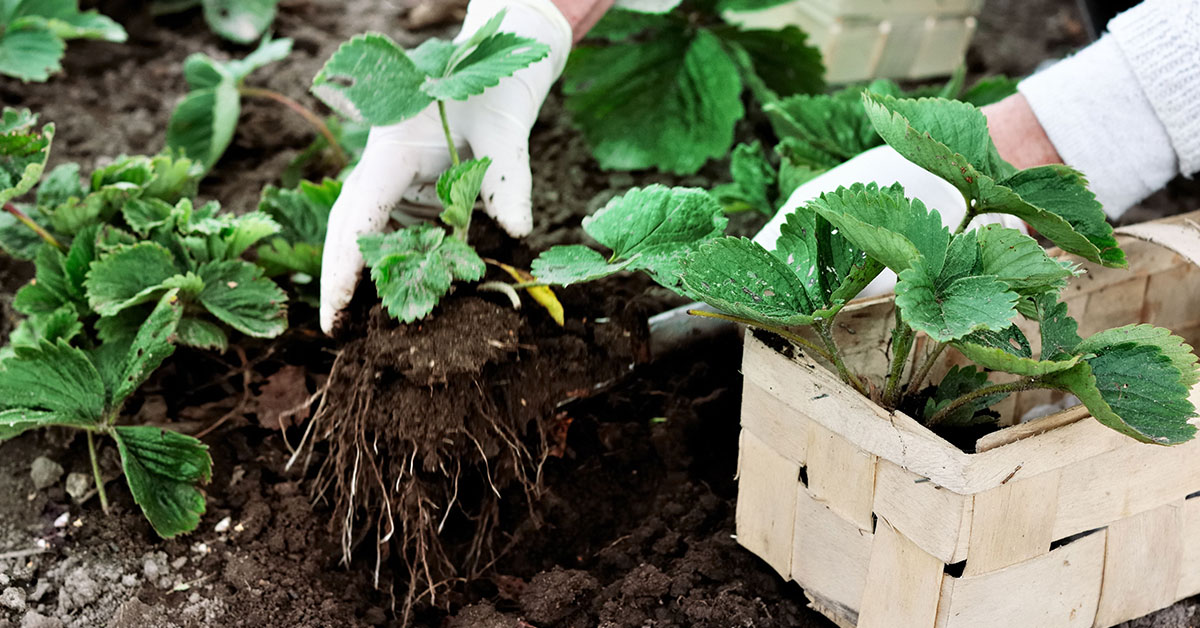
- Planting Gaviota Strawberries: Gaviota strawberries can be grown from seeds, but it is more common to start with bare-root plants or young transplants. Dig a hole that is wide and deep enough to accommodate the roots of the plant, ensuring that the crown sits at soil level. If you’re planting multiple strawberries, make sure to space them about 12-18 inches apart to allow for proper growth.
- Watering: Strawberries require consistent moisture, especially during the growing season. Water your Gaviota strawberries regularly, aiming for about 1-1.5 inches of water per week. Avoid overwatering, as it can lead to root rot. Consider using a drip irrigation system or watering at the base of the plants to prevent wetting the foliage and reduce the risk of diseases.
- Mulching: Apply a layer of organic mulch, such as straw or wood chips, around the base of the Gaviota strawberry plants. Mulching helps retain moisture, suppress weeds, and protect the fruit from direct contact with the soil, reducing the risk of rot or disease.
- Fertilizing: Gaviota strawberries benefit from regular feeding to ensure healthy growth and productivity. Apply a balanced, slow-release fertilizer or a specially formulated strawberry fertilizer according to the manufacturer’s instructions. Avoid over-fertilizing, as it can lead to excessive foliage growth at the expense of fruit production.
- Pest and Disease Control: Keep a close eye on your Gaviota strawberries for any signs of pests or diseases. Common pests that affect strawberries include aphids, slugs, and snails. Consider using organic pest control methods such as handpicking, introducing beneficial insects, or using natural repellents. Additionally, be on the lookout for diseases like powdery mildew or gray mold and promptly address any issues to prevent their spread.
- Harvesting: Gaviota strawberries are typically ready to harvest in late spring or early summer, about 4-6 weeks after flowering. Look for fully red, ripe berries with a glossy appearance. Gently twist or cut the stem just above the fruit to harvest, being careful not to damage the plant. Enjoy the freshly picked strawberries right away or use them in a variety of delicious recipes.