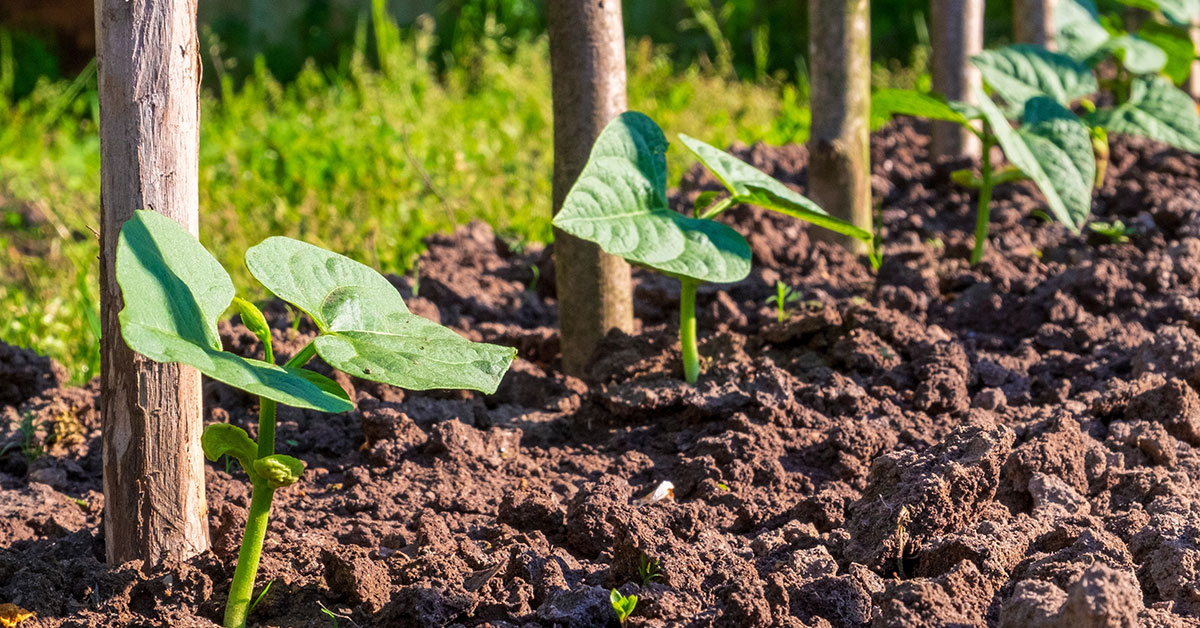

The French Bean, also known as the haricot vert or green bean, is a popular and widely cultivated variety that is loved for its tender texture and delicious flavor. In this article, we will explore the basics of growing French Beans, including the ideal growing conditions, planting techniques, and tips for maintenance.
Whether you are a seasoned gardener or a beginner with a green thumb, this guide will provide you with all the information you need to successfully grow your very own French Beans.
What is a French Bean?
French bean, also known as green bean or snap bean, is a popular vegetable that belongs to the legume family. It is native to Central and South America but is widely cultivated and consumed worldwide. French beans are characterized by their long, slender pods that are harvested when they are still immature and tender.
These beans are highly versatile and can be enjoyed in a variety of dishes, either as a side dish or as a main ingredient. They can be eaten raw, steamed, boiled, stir-fried, or even canned. French beans are known for their crisp texture, vibrant green color, and delicate flavor.
French beans are a nutritious addition to any diet. They are low in calories and fat, making them a great choice for weight management. They are also a good source of dietary fiber, which aids in digestion and helps maintain a healthy digestive system. Additionally, French beans are rich in vitamins A, C, and K, as well as minerals such as potassium and folate.
Not only are French beans delicious and nutritious, but they also offer several health benefits. They are known to support heart health by helping to lower cholesterol levels and reduce the risk of cardiovascular diseases. French beans also contain antioxidants that protect the body against free radicals, which can cause oxidative stress and lead to chronic diseases.
French beans are a versatile and nutritious vegetable that can be enjoyed in a variety of ways. Whether you prefer them steamed, stir-fried, or added to a salad, French beans offer a range of health benefits and are a tasty addition to any meal.
What does a French Bean taste like?
French beans, also known as haricot verts, are a popular vegetable that is loved for its delicate and crisp texture. When it comes to taste, French beans have a fresh and vibrant flavor profile that is both savory and slightly sweet.
The taste of French beans can be described as subtly grassy, with a mild nutty undertone. Unlike other varieties of beans, French beans are not overly starchy or heavy, making them a versatile ingredient to work with. The flavor is often described as clean and refreshing, making them a great addition to a variety of dishes.
When cooked properly, French beans retain their vibrant green color and firm texture, which adds a delightful crunch to any dish. Whether they are steamed, sautéed, or stir-fried, French beans maintain their natural sweetness and crispness. Making them a favorite vegetable in many cuisines.
The taste of French beans pairs well with a variety of other ingredients, such as garlic, lemon, butter, and herbs like thyme or dill. Their mild flavor also allows them to complement and enhance the flavors of other ingredients in a dish. Making them a great addition to salads, stir-fries, soups, and side dishes.
In addition to their delicious taste, French beans are also packed with nutrients. They are a good source of fiber, vitamins A, C, and K, as well as minerals like calcium, iron, and potassium. Incorporating French beans into your diet not only adds a burst of flavor to your dishes. As well as provides you with important nutrients for a healthy and balanced diet.
How to start from seed
Starting your own French bean plants from seed is a rewarding and cost-effective way to enjoy this versatile vegetable in your garden. Here are some simple steps to help you get started:
- Choose the right variety: French beans come in different varieties, including bush beans and pole beans. Consider the available space in your garden and your personal preference before selecting a variety.
- Gather your supplies: You will need high-quality French bean seeds, seed trays or pots, potting soil, water, and labels for identification.
- Prepare your seeds: French bean seeds have a hard outer shell, and soaking them overnight before planting can help improve germination rates. Place the seeds in a bowl of water and let them soak for 12-24 hours.
- Start sowing: Fill your seed trays or pots with moist potting soil, leaving about half an inch of space at the top. Make small holes in the soil, about one inch deep, using your finger or a dibber.
- Plant the seeds: Place one soaked French bean seed in each hole and cover it with soil. Gently press down on the soil around the seed to ensure good contact.
- Label and water: Place labels in each tray or pot to identify the variety and sowing date. Water the seeds thoroughly but gently using a misting spray or a watering can with a fine rose attachment. Keep the soil evenly moist throughout the germination period.
- Provide the right conditions: French beans prefer warm temperatures for germination. Place your seed trays or pots in a warm location, such as a greenhouse or a sunny windowsill. Aim for a temperature of around 70-80°F (21-27°C).
- Wait for germination: French bean seeds usually germinate within 7-10 days, but it can take longer in cooler temperatures. Be patient and keep the soil consistently moist during this time.
- Transplanting: Once your French bean seedlings have developed two or three pairs of true leaves, they are ready to be transplanted into their final growing position. Choose a sunny spot in your garden with well-draining soil.
- Harden off and plant: Before planting your seedlings outdoors, gradually acclimate them to the outdoor conditions. Place them outside for a few hours each day, gradually increasing the time over a week. Plant them in holes that are slightly larger than the root ball and firm the soil around them.
- Care and maintenance: French beans require regular watering, especially during dry spells. Mulching around the plants can help conserve moisture and suppress weeds. Provide support for pole bean varieties by installing trellises or stakes.
How to grow this plant in your garden
They are easy to grow and provide a bountiful harvest if given the right conditions. In this section, we will guide you through the step-by-step process of growing French beans in your own garden.
- Choosing the Right Variety: French beans come in different varieties, including bush beans and pole beans. Bush beans are compact and do not require support, making them ideal for smaller gardens or containers. Pole beans, on the other hand, require trellises or stakes for support and can be a great option if you have limited space but want a higher yield.
- Selecting the Right Location: French beans thrive in full sun, so choose a spot in your garden that receives at least six to eight hours of direct sunlight every day. The soil should be well-drained and rich in organic matter. Avoid planting in areas with strong winds, as they can damage the plants.
- Preparing the Soil: Before planting, prepare the soil by removing any weeds or grass. Loosen the soil using a garden fork or tiller and add compost or well-rotted manure to improve its fertility. French beans prefer slightly acidic soil with a pH level between 6.0 and 6.8.
- Planting the Seeds: Plant the seeds directly into the soil once the danger of frost has passed and the soil temperature has reached around 60°F (15°C). Dig shallow trenches about 1 inch deep and sow the seeds, spacing them about 4-6 inches apart. Cover the seeds with soil and gently firm them down.
- Watering and Maintenance: Keep the soil consistently moist but not waterlogged. Water the plants deeply once or twice a week, especially during dry spells. Mulching around the plants can help retain moisture and suppress weed growth. Regularly inspect the plants for any signs of pests or diseases and take appropriate action if necessary.
- Providing Support (for Pole Beans): If you are growing pole beans, install trellises or stakes for the plants to climb. This can be done at the time of planting or shortly after the seedlings emerge. Guide the vines towards the support structure as they grow, using twine or plant ties if needed.
- Harvesting: French beans are typically ready for harvest within 60 to 70 days from planting. They are best picked when the pods are young and tender, about 4-6 inches long, and before the seeds inside start to bulge. Harvesting regularly encourages more production, so check the plants every few days and pick the ripe pods.
By following these simple steps, you can enjoy a plentiful harvest of fresh and delicious French beans in your own backyard. Not only are they a versatile and nutritious addition to your meals, but growing your own vegetables is also a rewarding and enjoyable experience.