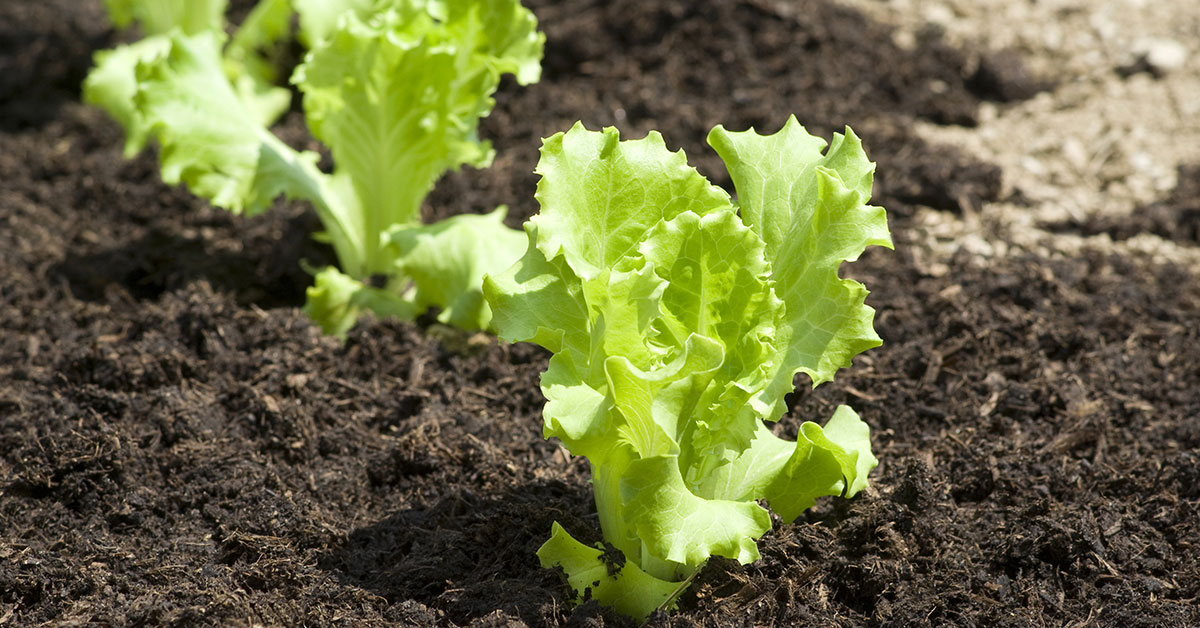

Freckles Lettuce is a must-have in your garden. This vibrant and eye-catching lettuce variety is known for its beautiful speckled leaves, which resemble freckles.
Not only does it add a splash of color to your salads and dishes, but it also offers a delightful crunch and a mild, slightly sweet flavor.
We will guide you through the process of growing Freckles Lettuce, from selecting the right seeds to caring for the plants and harvesting your bountiful crop.
What is Freckles Lettuce?
Freckles Lettuce, also known as speckled or spotted lettuce, is a variety of loose-leaf lettuce that stands out due to its beautiful speckled appearance. The leaves have vibrant green coloration with maroon or bronze spots scattered across them, resembling freckles on a person’s face. These unique markings make Freckles Lettuce a visually appealing addition to any garden or plate.
Freckles Lettuce is believed to have originated in Europe, specifically in the Mediterranean region. It has been cultivated for centuries and is known for its ability to thrive in various climates. Today, it is widely grown and enjoyed by gardeners and food lovers around the world.
One of the reasons why Freckles Lettuce is cherished is its delightful flavor and texture. It offers a mild and slightly sweet taste, making it a versatile ingredient that can be used in various culinary creations. The leaves are tender and have a crisp texture, providing a satisfying crunch when consumed.
Like most lettuce varieties, Freckles Lettuce is low in calories and high in essential nutrients. It is a good source of vitamins A and K, which are important for maintaining healthy vision, promoting blood clotting, and supporting overall immune function. Additionally, Freckles Lettuce contains dietary fiber, which aids in digestion and helps maintain a healthy weight.
Freckles Lettuce is relatively easy to grow, making it an ideal choice for both experienced gardeners and beginners. It can be cultivated in containers or directly in the ground, as long as it receives adequate sunlight and well-drained soil. Freckles Lettuce is a cool-season crop, meaning it prefers temperatures between 45-75°F (7-24°C). Sowing the seeds in early spring or late summer will yield the best results.
What does Freckles Lettuce taste like?
Freckles lettuce is known for its mild and slightly nutty flavor profile. It has a delicate and crisp texture, making it a refreshing addition to salads and sandwiches. The taste is often described as buttery and slightly sweet, with a hint of bitterness that gives it depth. This combination of flavors makes Freckles lettuce a versatile ingredient that can be paired with a wide range of dressings, toppings, and other ingredients.
One of the most popular ways to enjoy this lettuce variety is in salads. Its tender leaves provide a pleasant crunch and its mild flavor blends well with other salad components. Whether you prefer a simple garden salad or a more elaborate creation with various toppings, Freckles lettuce will add both visual appeal and a subtle taste that complements the other ingredients.
Freckles lettuce also works wonderfully in sandwiches and wraps. Its crispness adds texture to the filling, while its mild flavor doesn’t overpower the other ingredients. Whether you’re making a classic BLT, a veggie wrap, or a hearty club sandwich, this vegetable can be a delightful addition that elevates the overall taste and presentation.
While Freckles lettuce is primarily enjoyed raw, it can also be used in cooked dishes. Its mild flavor makes it a suitable choice for sautéing, stir-frying, or even grilling. When cooked, the lettuce becomes tender and slightly wilted, making it a great addition to stir-fries, and pasta dishes, or as a bed for grilled meats or seafood. However, keep in mind that cooking Freckles lettuce may cause it to lose some of its striking visual appeal, so it is often best reserved for raw preparations.
How to start from seed
With its vibrant green leaves adorned with burgundy spots, it adds a touch of whimsy to any garden or salad. If you want to grow your own starting from seed is the most economical and rewarding way to do so. These instructions will guide you through the step-by-step process of starting Freckles lettuce from seed.
- Choosing the Right Seeds:
Before you start, make sure you have high-quality Freckles lettuce seeds. You can find them at local nurseries, garden centers, or online seed suppliers. Look for organic or heirloom varieties for the best flavor and nutritional value. - Preparing the Soil:
Freckles lettuce thrives in well-draining, fertile soil. Start by preparing the soil in your garden bed or containers. Loosen the soil to a depth of 6-8 inches and remove any weeds or debris. Mix in some compost or organic matter to improve soil fertility and drainage. - Sowing the Seeds:
Freckles lettuce can be directly sown into the garden bed or started indoors. If you choose to start indoors, fill seed trays or small pots with a quality seed-starting mix. Moisten the soil lightly, then scatter the Freckles lettuce seeds on the surface. Gently press them into the soil, ensuring good seed-to-soil contact. - Providing Optimal Growing Conditions:
Freckles lettuce prefers cool temperatures between 50-70°F (10-21°C). Place the seed trays or pots in a location that receives partial sun or dappled shade. Maintain a consistent temperature and keep the soil moist but not waterlogged. Using a spray bottle is a convenient way to water without disturbing the seeds. - Transplanting Seedlings:
Once the seedlings have grown a few inches tall and developed their first true leaves, they are ready to be transplanted into the garden bed or larger containers. Choose a location with full sun or partial shade and enough space for the lettuce to grow to its full size. - Thinning and Spacing:
To ensure healthy growth, thin out the seedlings to allow enough space for each plant to develop properly. Freckles lettuce plants should be spaced about 8-12 inches apart to allow for good air circulation and prevent overcrowding. - Watering and Care:
Regular watering is crucial, especially during dry spells. Aim to keep the soil consistently moist, but avoid overwatering, as it can lead to root rot. Mulching around the plants can help retain moisture and suppress weed growth. Monitor for pests and diseases, and take appropriate action if necessary.
How to grow this vegetable in your garden
If you’re looking to grow your own Freckles lettuce, you’re in the right place. In this section, we’ll guide you through the step-by-step process of growing and caring for this delightful leafy green.
- Choose the Right Location:
Freckles lettuce thrives in cool weather, so it’s best to plant it in early spring or fall. Select a location in your garden that receives partial shade, as too much direct sunlight can cause the leaves to wilt or become bitter. Additionally, ensure that the soil is well-drained and rich in organic matter to provide optimal growing conditions. - Prepare the Soil:
Before planting, prepare the soil by removing any weeds or debris and loosening it with a garden fork or tiller. This plant prefers slightly acidic soil with a pH range of 6.0 to 6.5. If your soil is too alkaline, consider adding organic matter like compost or well-rotted manure to improve its quality. - Sow the Seeds:
Freckles lettuce can be directly sown into the garden or started indoors and transplanted later. If sowing directly, create shallow furrows in the soil, about 1/4 inch deep, and sprinkle the seeds evenly along the row. Cover the seeds lightly with soil and gently pat it down. If starting indoors, sow the seeds in seed trays or containers filled with seed-starting mix. Keep the soil consistently moist until the seedlings emerge. - Watering and Care:
To ensure proper growth, water them regularly, aiming to keep the soil evenly moist. Avoid overwatering, as excessive moisture can lead to root rot. Mulching around the plants can help retain moisture and control weeds. Thin out the seedlings when they are about 2 inches tall, leaving 6-8 inches of space between each plant for optimal air circulation. - Fertilization:
This vegetable benefits from regular fertilization to promote healthy growth. Apply a balanced, organic fertilizer once every 3-4 weeks, following the manufacturer’s instructions. Alternatively, you can use compost or well-rotted manure as a natural, nutrient-rich option. - Pests and Diseases:
While Freckles lettuce is relatively resistant to pests and diseases, it’s still essential to monitor your plants regularly. Common pests like aphids and slugs can be controlled using organic insecticidal soaps or natural predators like ladybugs. If you notice any signs of disease, such as leaf spots or wilting, promptly remove the affected leaves or plants to prevent further spread. - Harvesting:
As your Freckles lettuce matures, you can begin harvesting the outer leaves when they reach the desired size. Avoid cutting the entire head at once, as this will prevent regrowth. Instead, pick the leaves individually, allowing the plant to continue producing new foliage. This lettuce is at its peak flavor and texture when harvested young and tender.
Growing Freckles lettuce can be a rewarding experience, both for its visual appeal and delicious taste. By following these steps, you’ll be well on your way to cultivating your very own patch of this unique and vibrant leafy green. Enjoy the process and savor the flavors of your homegrown Freckles lettuce in a variety of salads and dishes.