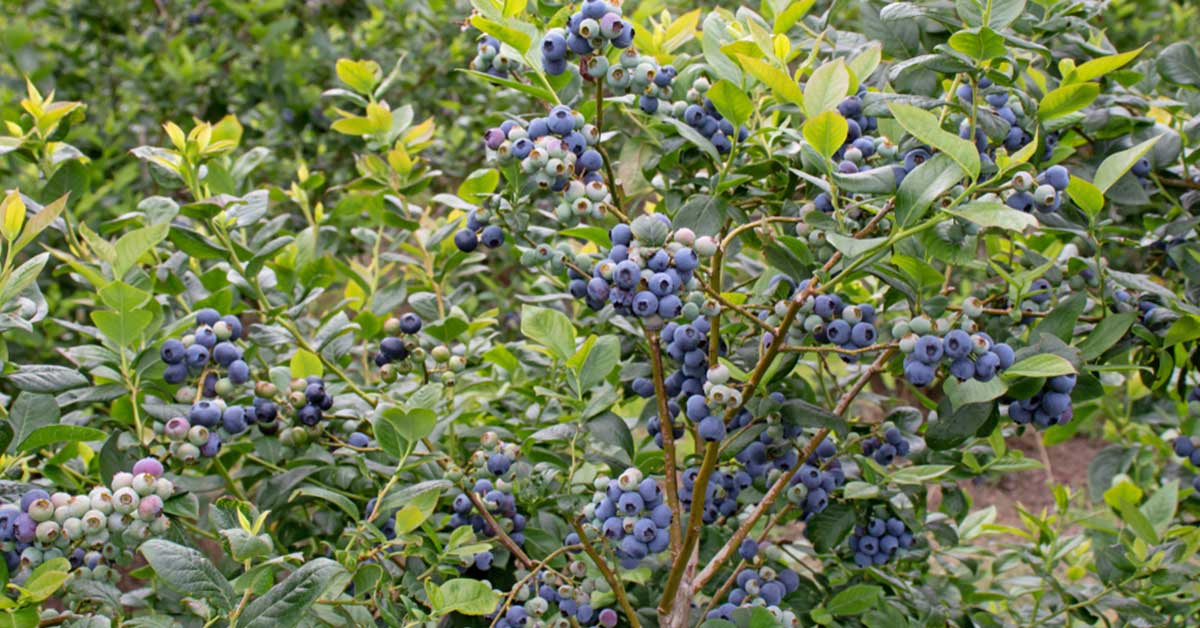

The Elliott Blueberry is known for its exceptional flavor and abundant harvest as well as it being a popular choice among avid gardeners and blueberry enthusiasts alike.
With its unique blend of sweet and tangy taste, this particular blueberry variety has gained recognition for its versatility in culinary uses, from pies and jams to smoothies and desserts.
In this article, we will explore the ins and outs of cultivating this remarkable fruit, uncovering the secrets to a successful harvest, and offering valuable tips for nurturing your very own Elliott Blueberry bushes.
What is an Elliott Blueberry?
Elliott Blueberry, scientifically known as Vaccinium corymbosum ‘Elliott,’ is a highbush blueberry variety that was developed by the U.S. Department of Agriculture (USDA) in the 1970s. It was named after Elizabeth Elliott, a retired breeder for the USDA who was instrumental in its development. The Elliott Blueberry is a hybrid of several blueberry varieties, resulting in a plant that exhibits desirable traits and characteristics.
The Elliott Blueberry is known for its vigorous growth and hardiness, making it an ideal choice for home gardeners and commercial growers alike. The plant typically reaches a height of 5-7 feet and produces an abundance of medium to large-sized berries. The berries themselves have a deep blue color, with a slightly tart and sweet flavor that is highly sought after by blueberry connoisseurs.
Elliott Blueberries thrive in acidic soil with a pH level between 4.5 and 5.5. They require full sun exposure for optimal fruit production and should be spaced about 4-6 feet apart to allow for proper air circulation. These blueberries are self-pollinating, but cross-pollination with other varieties can lead to increased yields. They are also known for their late-season ripening, making them an excellent choice for extending the blueberry harvest well into the fall months.
Like other blueberry varieties, Elliott Blueberries are packed with essential nutrients and antioxidants. They are a rich source of vitamins C and K, manganese, and dietary fiber. These antioxidants help protect the body against cellular damage caused by free radicals, which may reduce the risk of various diseases, including heart disease and certain types of cancer. Incorporating Elliott Blueberries into your diet can contribute to overall health and well-being.
Elliott Blueberries are incredibly versatile and can be enjoyed in a variety of culinary creations. They are perfect for snacking on their own, adding to cereals, oatmeal, or yogurt, and can be used in baking delicious pies, muffins, and jams. Due to their firm texture, Elliott Blueberries are also suitable for freezing, allowing you to enjoy their goodness throughout the year.
What does an Elliott Blueberry taste like?
When it comes to berries, the taste profile of each variety can vary significantly. Elliott Blueberries, known for their exceptional flavor, offer a unique and delightful taste experience.
The first thing you will notice about Elliott Blueberries is their intense sweetness. These berries have naturally high sugar content, giving them a luscious and indulgent flavor. With every bite, you can expect a burst of sweetness that is sure to satisfy your taste buds.
What sets Elliott Blueberries apart from other varieties is their perfect balance of sweetness and tartness. While they are undeniably sweet, they also have a subtle tangy undertone that adds depth to their flavor. This balance makes them incredibly versatile and enjoyable to eat on their own or incorporate into various recipes.
In terms of texture, Elliott Blueberries are firm and juicy. As you bite into one, you will experience a satisfying pop, releasing a burst of refreshing juice. Their firmness also makes them ideal for baking, as they hold their shape well and add a delightful texture to dishes like pies, muffins, and pancakes.
Another notable characteristic of Elliott Blueberries is their distinct aroma. When you bring a handful of these berries close to your nose, you will be greeted by a delightful fruity fragrance that is both inviting and appetizing. This aroma adds to the overall sensory experience of enjoying Elliott Blueberries.
Whether you eat them fresh, use them in your favorite recipes, or incorporate them into smoothies, Elliott Blueberries are a true delight for your taste buds. Their exceptional sweetness, balanced with a subtle tartness, along with their firm and juicy texture, make them a standout choice for berry lovers. So, the next time you come across Elliott Blueberries, be sure to savor their unique and delicious flavor.
How to start from seed
When it comes to starting Elliott Blueberries from seed, the first step is to carefully select your seeds. Here are some important factors to consider:
Variety: Elliott Blueberries come in various cultivars, each with its own unique characteristics. Research different varieties to find the one that best suits your climate and taste preferences.
Seed Quality: Opt for fresh, high-quality seeds from a reputable supplier. Look for seeds that are plump, firm, and free from any signs of damage or decay.
Germination Requirements: Blueberry seeds have specific germination requirements. Some varieties require a period of cold stratification, where the seeds are exposed to cold temperatures for a certain period. Ensure you understand the specific germination needs of the Elliott Blueberry seeds you have chosen.
Preparing the Seeds for Planting:
After obtaining your Elliott Blueberry seeds, it’s time to prepare them for planting. Follow these steps:
Cold Stratification (if necessary): If your chosen variety requires cold stratification, place the seeds in a damp paper towel or peat moss and seal them in a plastic bag. Store the bag in the refrigerator for the recommended stratification period, usually around 60-90 days.
Soaking: Before sowing the seeds, consider soaking them in water for 24 hours. This can help soften the seed coat and improve germination rates.
Sowing the Seeds:
Now that your Elliott Blueberry seeds are prepared, it’s time to sow them. Follow these guidelines for successful sowing:
Seedling Containers: Choose small pots or seedling trays with good drainage. Fill them with a well-draining, acidic potting mix specifically designed for blueberries.
Planting Depth: Sow the seeds at a depth of approximately ¼ inch (0.6 cm) in the potting mix. Gently pat the soil over the seeds to ensure good contact.
Watering: After sowing, water the seeds thoroughly but gently. Ensure the soil is consistently moist, but not waterlogged.
Germination and Care:
Germination can take anywhere from a few weeks to several months, depending on the variety and conditions. Here’s how to care for your Elliott Blueberry seedlings as they grow:
Temperature and Lighting: Blueberry seeds require a warm temperature of around 70°F (21°C) for germination. Once sprouted, provide them with bright, indirect light or fluorescent grow lights.
Transplanting: When the seedlings have developed a few true leaves, typically after 6-8 weeks, they can be transplanted into larger pots or outdoors in the garden. Ensure the soil is acidic and well-draining.
Watering and Fertilizing: Blueberry plants prefer consistently moist soil. Water them regularly, especially during dry spells. Use a balanced, acidic fertilizer formulated for blueberries to promote healthy growth.
How to grow this fruit in your garden
Elliott Blueberry is a delicious and popular variety of blueberry that is known for its exceptional flavor and high yields. If you are a blueberry enthusiast or planning to venture into blueberry cultivation, growing Elliott Blueberries can be a rewarding experience. In this blog section, we will guide you through the steps of successfully growing Elliott Blueberries in your own garden.
Selecting the Right Location:
The first step in growing Elliott Blueberries is choosing the right location for your plants. Blueberries thrive in well-drained soil that is rich in organic matter and acidic in nature, with a pH level between 4.5 and 5.5. Look for a spot in your garden that receives full sun for at least 6 hours a day. Avoid areas with poor drainage or where water tends to collect, as blueberries do not tolerate wet feet.
Preparing the Soil:
Before planting Elliott Blueberries, it is essential to prepare the soil properly. Start by removing any weeds or grass from the planting area. Blueberries prefer acidic soil, so it is recommended to test the pH level of your soil and make necessary adjustments. If the soil pH is too high, you can lower it by adding elemental sulfur or acidifying fertilizers. Additionally, incorporate organic matter, such as compost or peat moss, to improve soil structure and nutrient content.
Planting Elliott Blueberries:
Once the soil is prepared, it’s time to plant your Elliott Blueberries. Dig a hole that is twice as wide and deep as the root ball of the plant. Gently remove the blueberry plant from its container and place it in the hole, ensuring that the top of the root ball is level with the ground. Backfill the hole with soil, firming it gently around the base of the plant. Water thoroughly after planting to settle the soil.
Watering and Fertilizing:
Proper watering is crucial for the healthy growth of Elliott Blueberries. They require consistent moisture, especially during the fruiting season. However, it is important to avoid overwatering, as excessive moisture can lead to root rot. Mulching around the plants can help retain moisture and prevent weed growth.
Fertilizing blueberries is also important to ensure optimal growth and fruit production. Apply a balanced fertilizer specifically formulated for acid-loving plants in early spring and again in early summer. Follow the instructions on the fertilizer packaging for proper application rates.
Pruning and Maintenance:
Regular pruning is necessary to maintain the health and productivity of your Elliott Blueberries. Prune out any dead, damaged, or diseased branches, as well as any weak growth. Additionally, thinning out crowded branches will improve airflow and sunlight penetration, reducing the risk of fungal diseases.
Monitor your blueberry plants for pests and diseases regularly. Common pests include aphids, blueberry maggots, and fruit flies. If you notice any signs of infestation or disease, take appropriate measures to control and prevent further damage.
Harvesting and Enjoying the Fruits:
After a few years of proper care, your Elliott Blueberries will start producing delicious fruits. Harvesting time usually falls in late summer to early fall, depending on your climate. The berries will turn a deep blue color and easily detach from the stem when ripe. Gently pick the berries and enjoy their sweet flavor fresh from the garden, or use them in various culinary delights like pies, jams, and smoothies.
Growing Elliott Blueberries can be a rewarding endeavor for any gardening enthusiast. By providing the right growing conditions, proper care, and maintenance, you can enjoy a bountiful harvest of these delicious and nutritious berries right in your own backyard.