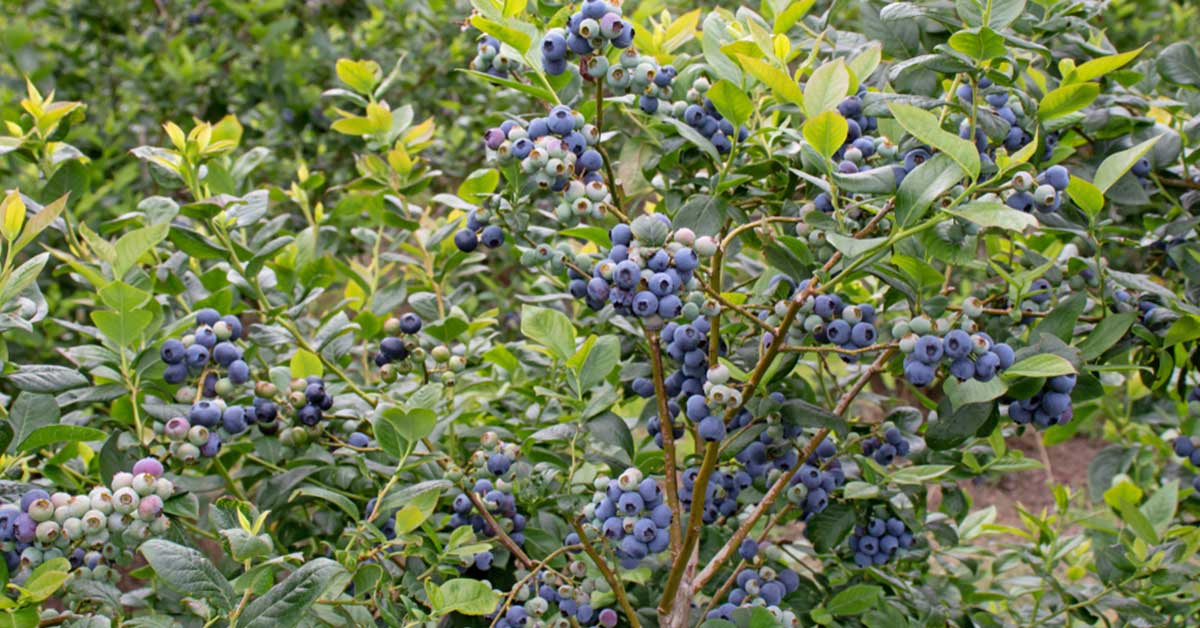

If you’re a fan of fresh, juicy blueberries, then you’ll definitely want to consider growing your very own Duke Blueberry plants. Known for their exceptional flavor and high yields, Duke Blueberries are a favorite among home gardeners and commercial growers alike.
In this article, we’ll explore the ins and outs of growing Duke Blueberries, from selecting the right varieties to providing optimal growing conditions.
What is a Duke Blueberry?
Duke Blueberry was first developed by researchers at the University of Florida’s Institute of Food and Agricultural Sciences. It is a hybrid variety that resulted from the crossbreeding of two other blueberry varieties, namely the Bluecrop and the Earliblue. The goal of this breeding program was to create a blueberry variety that would combine the best qualities of its parent plants, resulting in a superior fruit.
Duke Blueberry stands out due to its unique characteristics, which contribute to its popularity among blueberry enthusiasts. One of the notable features of Duke Blueberry is its medium to large size, often larger than other blueberry varieties. Additionally, it boasts a dark blue color with a beautiful bloom, making it visually appealing.
What truly sets Duke Blueberry apart is its exceptional taste. The berries are known for their perfect balance of sweetness and tartness, creating an enjoyable flavor experience. The sweetness is subtle enough to avoid overwhelming the palate, while the tartness adds a refreshing twist. This combination makes Duke Blueberry a versatile fruit that can be enjoyed on its own or used in various culinary creations.
Beyond its delightful taste, Duke Blueberry is also renowned for its impressive health benefits. Like other blueberries, it is packed with antioxidants, vitamins, and minerals. These nutrients contribute to overall well-being by supporting a healthy immune system, promoting brain health, and reducing the risk of chronic diseases. Adding Duke Blueberry to your diet can be a delicious way to boost your overall nutritional intake.
Duke Blueberry is cultivated in various regions around the world, including the United States, Canada, and parts of Europe. Its popularity has led to its availability in most supermarkets and farmers’ markets during the blueberry season. Additionally, Duke Blueberry can also be grown in home gardens, making it accessible to those who enjoy gardening and want to savor the taste of freshly picked blueberries.
What does a Duke Blueberry taste like?
Duke Blueberries are renowned for their exceptional balance of sweetness and tanginess. As you pop one into your mouth, you’ll immediately notice the burst of flavors. The initial sweetness is accompanied by a slight tartness that provides a delightful contrast. This combination creates a truly enjoyable eating experience that is hard to resist.
One of the defining characteristics of Duke Blueberries is their juiciness. As you bite into these plump, deep blue berries, your taste buds will be greeted by a burst of refreshing juice. The juiciness not only adds to the overall flavor but also enhances the eating sensation, making each bite a satisfying and refreshing treat.
The aroma of Duke Blueberries is another aspect that sets them apart. As you approach a bowl filled with these berries, you’ll be greeted by a pleasant, fruity fragrance that is hard to resist. The aroma is a precursor to the delightful flavor that awaits you. Making the experience of eating Duke Blueberries even more enticing.
The flavor profile of Duke Blueberries makes them incredibly versatile for various culinary creations. Whether you’re using them in pies, muffins, pancakes, or simply enjoying them on their own, Duke Blueberries lend a unique and delicious taste to any dish. The sweetness and tanginess of these berries can elevate both sweet and savory recipes.
How to start from seed
Starting Duke Blueberry plants from seed can be a rewarding and cost-effective way to grow your own delicious berries. When it comes to selecting the right seeds, there are a few factors to consider.
Choose a reputable seed supplier: Look for a trusted seed supplier that specializes in fruit plants, ensuring that you get high-quality seeds that are true to the Duke Blueberry variety.
Opt for fresh seeds: Fresh seeds have a higher germination rate, so try to find seeds that have been harvested within the past year. Avoid purchasing seeds that are past their expiration date or have been stored incorrectly.
Consider hybrid or open-pollinated seeds: Hybrid seeds are bred for specific characteristics, such as disease resistance or increased yield. Open-pollinated seeds, on the other hand, allow for natural pollination and can result in a more diverse gene pool. Both options have their advantages, so choose based on your preferences.
Section 1: Preparing the Seeds for Planting
Once you have obtained your Duke Blueberry seeds, it’s time to prepare them for planting. Proper preparation will help improve germination rates and increase your chances of success.
Stratification: Many blueberry varieties, including Duke, require a period of cold stratification to break their dormancy. To stratify the seeds, place them in a damp paper towel or sphagnum moss and seal them in a plastic bag. Store the bag in the refrigerator for 60-90 days, ensuring that the temperature remains between 32-40°F (0-4°C).
Scarification: Some Duke Blueberry seeds have a hard outer shell that can inhibit germination. To improve germination rates, scarify the seeds by gently rubbing them with sandpaper or soaking them in water for 24 hours. This will help break the seed coat and allow moisture to penetrate better.
Section 2: Planting the Seeds
Now that your Duke Blueberry seeds are ready, it’s time to plant them and provide them with the optimal growing conditions.
Choose the right container: Use small pots or seed trays with good drainage to plant the seeds. Blueberries prefer acidic soil, so ensure that the container is suitable for acidic-loving plants.
Planting medium: Fill the containers with a well-draining planting medium, such as a mix of peat moss, perlite, and vermiculite. This will provide the seeds with the necessary nutrients and moisture retention.
Sow the seeds: Place a couple of seeds on top of the planting medium in each container, gently pressing them into the soil. Cover the seeds with a thin layer of soil, about ¼ inch deep.
Watering and humidity: Keep the soil consistently moist but not overly saturated. You can cover the containers with plastic wrap or use a humidity dome to create a humid environment, which aids in germination.
Provide adequate light: Place the containers in a warm location that receives bright, indirect sunlight. If natural light is limited, consider using grow lights to supplement the lighting requirements.
Section 3: Caring for Seedlings
Once the Duke Blueberry seeds germinate and seedlings emerge, it’s crucial to provide them with proper care to ensure healthy growth.
Gradual acclimation: After the seedlings have developed a few leaves, gradually expose them to the outdoor environment. Start by placing them in a shaded area for a few hours a day. Gradually increase their exposure to sunlight over a week.
Watering: Blueberry plants have shallow roots, so be careful not to let the soil dry out completely. Water the seedlings regularly, ensuring that the soil remains consistently moist but not waterlogged.
Transplanting: When the seedlings have grown to a suitable size, typically around 4-6 inches tall, they can be transplanted into larger containers or into the ground. Make sure the soil in the new location is acidic and well-draining.
Fertilization: Blueberries benefit from regular fertilization with a balanced acidic fertilizer. Follow the instructions on the fertilizer packaging and apply it according to the recommended frequency.
How to grow this fruit in your garden
Growing your own Duke blueberries can be a rewarding and delicious experience. These berries are known for their sweet and tangy flavor. If you’re interested in cultivating your own Duke blueberries, here’s a step-by-step guide to help you get started:
- Choosing the right location: Duke blueberries thrive in full sun. It’s important to select a location in your garden that receives at least 6-8 hours of direct sunlight per day. The soil should be well-draining and rich in organic matter. If your soil is heavy or clay-like, consider amending it with compost or peat moss to improve drainage.
- Preparing the soil: Before planting, it’s essential to prepare the soil to provide the best growing conditions for your Duke blueberries. Start by removing any weeds or grass from the area, as they can compete with the plants for nutrients. Loosen the soil with a garden fork or tiller, and incorporate organic matter such as compost or well-rotted manure to improve its fertility.
- Choosing and planting the right variety: There are different varieties of Duke blueberries available. Make sure to choose the one that suits your climate and preferences. Consider factors like cold hardiness and disease resistance when selecting a variety. Plant your Duke blueberry bushes in early spring or fall, when the soil is cool and moist. Dig a hole that is wide and deep enough to accommodate the roots. Gently spread them out when placing the plant in the hole. Backfill the hole with soil and firm it gently around the base of the plant.
- Watering and mulching: Blueberries have shallow root systems, so it’s important to keep the soil consistently moist but not waterlogged. Water your Duke blueberries regularly, especially during dry spells or hot weather. Applying a layer of organic mulch around the base of the plants can help retain moisture, suppress weeds, and regulate soil temperature. Use materials like wood chips, pine needles, or straw for mulching.
- Fertilizing and pruning: Duke blueberries benefit from regular fertilization to support healthy growth and fruit production. Apply a balanced, slow-release fertilizer in early spring and follow the package instructions for application rates. Additionally, prune your Duke blueberry bushes in late winter or early spring to remove dead or diseased wood, improve air circulation, and maintain the desired shape. Pruning also encourages new growth and increases fruiting.
- Pest and disease management: Duke blueberries are relatively resistant to diseases and pests, but it’s still important to monitor your plants regularly. Keep an eye out for common issues like fungal diseases, aphids, or birds. Consider using organic pest control methods like insecticidal soaps or neem oil if necessary. Netting or bird scarers can help protect your berries from hungry birds.
- Harvesting and enjoying your bounty: Duke blueberries are typically ready for harvest in mid to late summer, depending on your location. The berries will turn a deep blue color and should easily detach from the stem when ripe. Gently harvest the berries by hand, being careful not to crush them. Enjoy your freshly picked Duke blueberries right away or use them in a variety of delicious recipes, such as pies, jams, or smoothies.
By following these steps, you’ll be on your way to successfully growing your own Duke blueberries. Remember to be patient, as it may take a couple of years for the plants to establish and produce a bountiful harvest. With proper care and attention, you’ll be rewarded with juicy, flavorful berries that you can enjoy straight from your garden.