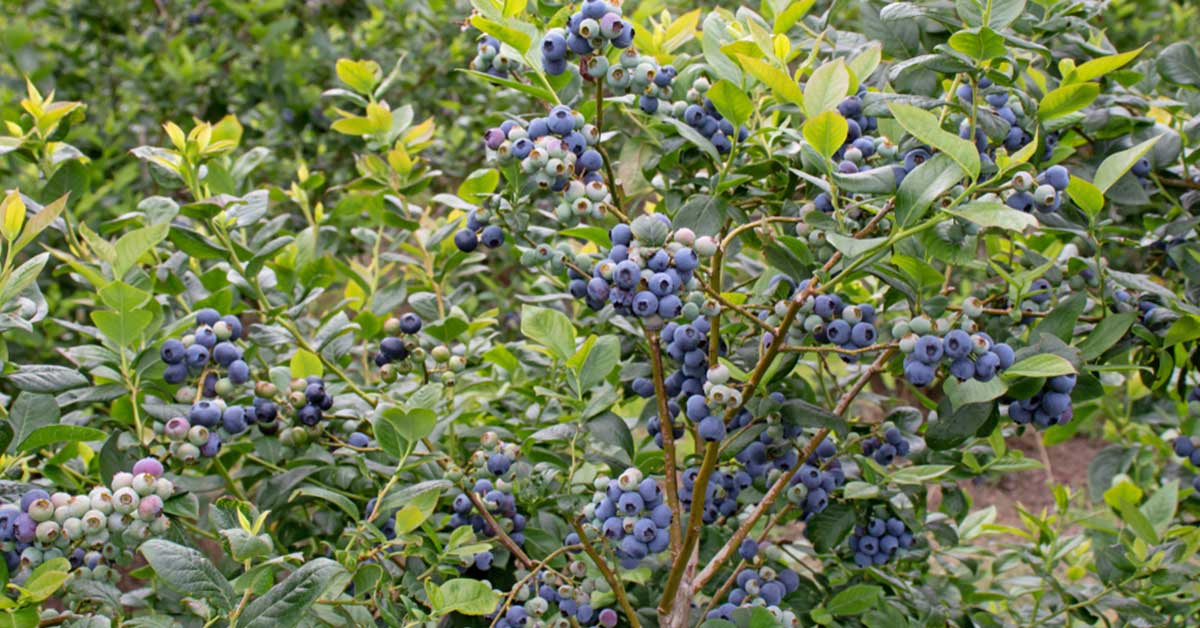

If you’re a blueberry enthusiast looking to expand your garden, the Draper Blueberry is the perfect choice. In this article, we will explore all the essential aspects of cultivating Draper Blueberries, including the ideal growing conditions, planting techniques, maintenance tips, and harvesting advice.
What is a Draper Blueberry?
Draper blueberries are a relatively newer variety that was developed by the United States Department of Agriculture (USDA) in collaboration with Oregon State University. This variety was released to the public in 2004 and has gained popularity among blueberry enthusiasts ever since.
Draper blueberries are known for their large size, typically measuring around 1.5 centimeters in diameter. They have a dark blue or purple hue, which indicates their high anthocyanin content – the natural compound responsible for their vibrant color. The berries have a firm texture, making them ideal for various culinary uses.
One of the reasons why Draper blueberries have gained a loyal following is their exceptional taste. They offer a perfect balance between sweetness and tanginess, with a hint of tartness that adds a delightful twist. The flavor is often described as rich and intense, making them a favorite for both snacking and baking purposes.
Draper blueberries thrive in moderate climates, particularly in regions where the temperature ranges from 60°F to 80°F (15°C to 27°C). They require well-drained, acidic soil with a pH level between 4.0 and 5.5. These berries are known to be fairly tolerant of different soil types, making them suitable for cultivation in various parts of the country.
The harvesting season for Draper blueberries typically begins in late June or early July, depending on the geographical location. These berries are known for their long harvest period, which can extend up to 4-6 weeks. This extended season allows blueberry lovers to enjoy a bountiful supply of fresh Draper blueberries throughout the summer months.
Like other blueberry varieties, Draper blueberries are packed with essential nutrients and antioxidants. They are a rich source of vitamins C and K, dietary fiber, and manganese. These antioxidants help protect the body against oxidative stress and inflammation, promoting overall health and well-being.
What does a Draper Blueberry taste like?
One of the defining characteristics of Draper Blueberries is their perfect balance of sweetness and tartness. When you take a bite into a ripe Draper Blueberry, you’ll experience an explosion of flavors that dance on your taste buds. The initial burst of sweetness is followed by a subtle tang that adds an extra layer of complexity to the overall taste.
Draper Blueberries are known for their juiciness, making them a refreshing treat, especially on a hot summer day. Each plump berry is packed with a generous amount of natural juice, making every bite a burst of hydration. The juiciness of Draper Blueberries enhances the overall taste experience, leaving you wanting more.
Unlike some other blueberry varieties, Draper Blueberries possess a delicate hint of floral notes. These subtle flavors add an aromatic dimension to the overall taste, elevating the experience to a whole new level. The floral undertones are not overpowering but rather serve as a pleasant surprise, making Draper Blueberries stand out from the crowd.
Draper Blueberries are not only delicious on their own but also incredibly versatile in various culinary creations. Their unique flavor profile makes them a perfect ingredient for a wide array of dishes, including pies, crumbles, smoothies, salads, and even savory dishes like salads or salsas. The possibilities are endless when it comes to incorporating Draper Blueberries into your favorite recipes.
Apart from their irresistible taste, Draper Blueberries are also packed with essential nutrients and antioxidants, making them a healthy snack choice. These berries are rich in vitamins, minerals, and fiber, promoting good health and overall well-being. So, you can indulge in the delectable taste of Draper Blueberries without any guilt.
How to start from seed
Starting Draper blueberries from seed can be a rewarding and cost-effective way to grow your own delicious berries. In this section, we will guide you through the steps of starting Draper blueberries from seed, from selecting the right seeds to caring for the seedlings.
- Selecting the Right Seeds:
The first step in starting Draper blueberries from seed is to acquire high-quality seeds. Look for reputable seed suppliers or consider collecting seeds from ripe Draper blueberries you have enjoyed. Ensure that the berries used for seed collection are healthy, fully ripe, and free from pests or diseases. Collect the seeds by gently mashing the berries and separating the seeds from the pulp. - Preparing the Seeds for Planting:
Before planting the seeds, it is necessary to stratify them. Stratification is a process that mimics the natural conditions required to break the seed’s dormancy. To stratify Draper blueberry seeds, place them in a damp paper towel or peat moss and seal them in a plastic bag. Store the bag in the refrigerator for about 90-120 days. This cold stratification period helps to initiate germination. - Planting the Seeds:
Once the stratification period is complete, it’s time to plant the Draper blueberry seeds. Fill seed trays or small pots with a well-draining seed-starting mix. Create small holes in the soil, approximately ¼ inch deep, and place one seed in each hole. Cover the seeds with soil and gently press it down to ensure good seed-to-soil contact. - Providing Optimal Growing Conditions:
Draper blueberries thrive in acidic soil with a pH range of 4-5.5. To mimic these conditions, mix peat moss or acidic compost into the soil before planting the seeds. Place the seed trays or pots in a warm, well-lit area, such as a windowsill or greenhouse, where they will receive at least six hours of sunlight per day. Maintain consistent moisture in the soil, but avoid waterlogging. - Caring for the Seedlings:
As the Draper blueberry seedlings emerge, continue to provide them with the optimal growing conditions. Regularly monitor the moisture levels in the soil and water the seedlings when the top inch of soil feels dry. Avoid overwatering, as it can lead to root rot. If necessary, thin out the seedlings once they are a few inches tall to ensure proper spacing for growth. - Transplanting the Seedlings:
After about a year, when the Draper blueberry seedlings have developed strong root systems, they can be transplanted into larger pots or directly into the ground. Choose a sunny location with well-draining, acidic soil. Dig a hole slightly larger than the root ball and gently place the seedling into the hole. Fill in the surrounding soil, firm it gently, and water thoroughly.
How to grow this fruit in your garden
Draper blueberries are a popular and delicious variety of blueberries that can be easily grown in your own backyard. Not only do they produce an abundance of sweet and juicy berries, but they also add beautiful foliage to your garden.
- Selecting the Right Location:
Before you start planting Draper blueberries, it’s important to choose the right location in your garden. Blueberries thrive in acidic soil with a pH level between 4.5 and 5.5. Ensure that the chosen spot receives full sun for at least six hours a day. Additionally, make sure the area has good drainage to prevent waterlogged roots. - Preparing the Soil:
Draper blueberries prefer well-drained, loamy soil. If your soil is heavy clay or sandy, consider amending it with organic matter such as compost or peat moss to improve its texture and drainage. It’s also essential to adjust the soil’s pH level to the desired acidity by adding elemental sulfur or aluminum sulfate. Conduct a soil test to determine the current pH and make appropriate adjustments. - Planting Draper Blueberry Bushes:
To begin planting Draper blueberries, dig a hole that is twice the size of the root ball. Gently remove the bush from its container and place it in the hole, ensuring that the top of the root ball is level with the surrounding soil. Backfill the hole with the amended soil, gently firming it around the roots. Water thoroughly after planting to settle the soil. - Providing Adequate Water:
Blueberries require consistent moisture, especially during the fruiting season. Keep the soil evenly moist but not waterlogged. Mulching around the base of the plants can help retain moisture and prevent weed growth. Water at the base of the plant rather than overhead to reduce the risk of fungal diseases. - Pruning and Maintenance:
Regular pruning is necessary to maintain the health and productivity of Draper blueberry bushes. Prune in late winter or early spring when the plants are dormant. Remove any dead, damaged, or diseased branches, as well as any crossing or crowded branches. This will improve airflow and sunlight penetration, leading to better fruit production. - Fertilization:
Draper blueberries benefit from a balanced fertilizer designed for acid-loving plants. Apply a slow-release fertilizer in early spring, following the manufacturer’s instructions. Avoid over-fertilizing, as excessive nutrients can harm the plants. - Pest and Disease Management:
Like all blueberries, Draper blueberries are susceptible to certain pests and diseases. Regularly inspect the plants for signs of aphids, mites, or fruit flies. Use organic insecticides or natural pest control methods if necessary. To prevent diseases such as powdery mildew or root rot, ensure proper air circulation and avoid overwatering.