
Boasting a delectable sweetness and juicy texture, the Chandler strawberry has become a favorite among home gardeners and commercial growers alike. When it comes to growing your own strawberries, there is one variety that stands out among the rest – the Chandler strawberry.
We will talk about growing Chandler strawberries, exploring their unique characteristics, optimal growing conditions, and essential care tips.
What is a Chandler Strawberry?
Chandler Strawberry is a cultivar of the Fragaria × ananassa species, which is the most common type of strawberry found in supermarkets and gardens. It was developed by the University of California, Davis in the 1980s and has since become one of the most popular commercial strawberry varieties.
Well, its flavor profile is often described as exceptionally sweet and juicy, with a perfect balance of acidity. Many strawberry connoisseurs believe that Chandler strawberries have a more intense and complex flavor compared to other varieties. This makes them a favorite choice for eating fresh, as well as for use in a wide range of recipes.
Another distinguishing feature of Chandler Strawberry is its size. These strawberries tend to be larger than average, with some specimens growing to be as big as a golf ball. The large size not only makes them visually appealing but also means that each berry packs a delightful burst of flavor.
Furthermore, Chandler Strawberry is known for its vibrant red color and glossy appearance. The berries have a uniform shape and are typically conical or heart-shaped, with a slightly pointed tip. This makes them visually appealing when displayed in fruit bowls or used as decorative elements in desserts.
One of the reasons why Chandler Strawberry has become so popular is its exceptional productivity. The plants are vigorous and can produce a high yield of large, flavorful fruits. This makes it an excellent choice for home gardeners and commercial strawberry growers alike.
In terms of cultivation, Chandler Strawberry prefers a sunny location with well-draining soil. It is a relatively easy variety to grow, making it suitable for both experienced gardeners and beginners. With proper care and the right growing conditions, you can enjoy a bountiful harvest of Chandler strawberries throughout the growing season.
What does a Chandler Strawberry taste like?
The taste of a Chandler Strawberry can be described as incredibly sweet with a hint of tartness. When you take a bite, you’re immediately greeted with a burst of juicy, succulent flavors. The sweetness is prominent but not overpowering, making it a delightful treat for those with a sweet tooth.
One of the distinctive qualities of the Chandler Strawberry is its intense aroma. As you bring a Chandler Strawberry close to your nose, you’ll be greeted by a fragrant scent that is both enticing and mouthwatering. This aroma adds to the overall sensory experience and enhances the enjoyment of eating this delicious fruit.
The texture of a Chandler Strawberry is also worth noting. It is firm yet tender, with a juiciness that is unmatched by other varieties. The combination of its texture, sweetness, and aroma makes the Chandler Strawberry a standout choice for both eating fresh and using in various culinary creations.
Whether you enjoy eating strawberries as a standalone snack or incorporating them into your favorite desserts, the Chandler Strawberry is sure to satisfy your taste buds. Its exceptional flavor profile makes it a great choice for creating jams, pies, tarts, and smoothies. The natural sweetness of the berry also makes it a healthier alternative to sugary snacks, allowing you to indulge in a guilt-free treat.
The Chandler Strawberry is a deliciously sweet and aromatic fruit that offers a unique and enjoyable taste experience. Its intense flavor, combined with its firm yet tender texture, makes it a favorite among strawberry lovers. Whether you’re enjoying it on its own or using it in your favorite recipes, the Chandler Strawberry is sure to leave a lasting impression and keep you coming back for more.
How to start from seed
Before we dive into the process of starting Chandler strawberries from seed, let’s first understand what Chandler strawberries are and why they are worth growing. They are also disease-resistant and have a long fruiting season, making them an excellent choice for home gardeners.
To start Chandler strawberries from seed, you’ll need a few essential supplies. Here’s a list of what you’ll need:
- Chandler strawberry seeds: Purchase high-quality seeds from a reputable supplier or consider saving seeds from mature Chandler strawberry plants.
- Seed trays or pots: Use seed trays or small pots with drainage holes to provide the seeds with a suitable growing environment.
- Seed starting mix: Prepare a well-draining and nutrient-rich seed starting mix or use a pre-made mix available at garden centers.
- Watering can or spray bottle: Ensure you have a watering can or a spray bottle to provide a gentle misting of water to keep the soil moist.
- Clear plastic wrap or a humidity dome: Use clear plastic wrap or a humidity dome to create a greenhouse-like environment for the seeds.
- Grow lights or a sunny location: Chandler strawberry seeds require ample light to germinate and grow. If you don’t have access to natural sunlight, consider using grow lights.
Germinating Chandler Strawberry Seeds:
- Prepare the seed trays or pots by filling them with the seed starting mix. Moisten the mix with water, ensuring it is damp but not soaking wet.
- Scatter the Chandler strawberry seeds evenly on top of the soil. Lightly press them into the soil but avoid burying them too deep.
- Cover the seed trays or pots with clear plastic wrap or place a humidity dome over them to create a humid environment.
- Place the trays or pots in a warm location with temperatures around 70-75°F (21-24°C). Ensure they receive bright, indirect light or use grow lights if necessary.
- Check the moisture level daily and mist the soil with water whenever it feels dry. Avoid overwatering, as it can lead to fungal diseases.
- After 2-3 weeks, you should start to see tiny green seedlings emerging from the soil. At this point, remove the plastic wrap or humidity dome.
Taking Care of Chandler Strawberry Seedlings:
- Once the seedlings have emerged, provide them with 12-16 hours of bright light daily. If using grow lights, keep them 2-4 inches above the seedlings.
- Water the seedlings regularly, ensuring the soil remains consistently moist but not waterlogged. Aim to keep the soil moist to a depth of about an inch.
- After the seedlings grow their first true leaves, which are the leaves that come after the initial cotyledon or seed leaves, you can start fertilizing them. Use a balanced liquid fertilizer diluted according to the package instructions.
- Transplant the seedlings into larger pots or your garden once they have developed a few sets of true leaves and are about 3-4 inches tall. Ensure the soil in the new containers or garden bed is well-draining and rich in organic matter.
- When transplanting, space the seedlings about 12-18 inches apart, allowing enough room for them to spread and grow.
How to grow this fruit in your garden
To grow Chandler strawberries successfully, you need to choose the right location in your garden. Chandler strawberries thrive in full sun, so select an area that receives at least six to eight hours of direct sunlight every day. Additionally, ensure that the soil is well-draining and rich in organic matter. Strawberries prefer slightly acidic soil with a pH level between 5.5 and 6.8. If your soil is too alkaline, consider amending it with organic matter or sulfur to adjust the pH.
Preparing the Soil: Before planting your Chandler strawberry plants, it’s crucial to prepare the soil properly. Start by removing any weeds or grass from the planting area. Then, loosen the soil using a garden fork or tiller to a depth of around 8 to 10 inches. Incorporate well-rotted compost or aged manure into the soil to improve its fertility and drainage. Ensure that the soil is friable and free of clumps to promote healthy root growth.
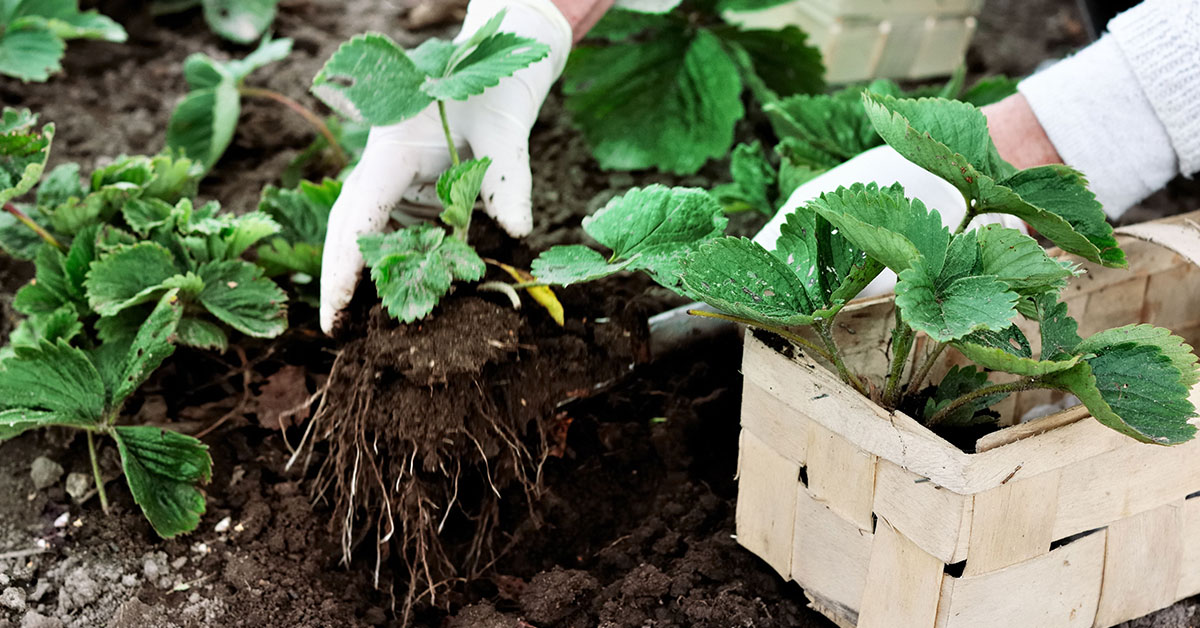
Planting Chandler Strawberry Plants: Once the soil is prepared, it’s time to plant your Chandler strawberry plants. Dig a small hole for each plant, making sure the hole is wide and deep enough to accommodate the roots without bending or crowding them. Place the plant in the hole, spreading the roots outwards, and cover them with soil, leaving the crown of the plant slightly above ground level. Space the plants about 12 to 18 inches apart, allowing enough room for them to spread and produce runners.
Watering and Fertilizing: Proper watering and fertilizing are essential for the healthy growth of your Chandler strawberry plants. Water the plants thoroughly immediately after planting and continue to provide them with a consistent supply of moisture throughout the growing season. Ensure that the soil remains evenly moist but not waterlogged, as excess moisture can lead to root rot. Apply a balanced organic fertilizer every four to six weeks during the growing season to provide the plants with essential nutrients.
Mulching and Weed Control: Mulching is crucial for suppressing weeds, conserving soil moisture, and maintaining an even soil temperature around your Chandler strawberry plants. Apply a layer of organic mulch, such as straw or wood chips, around the plants, keeping it about 2 to 3 inches thick. Mulching also helps to prevent the berries from coming into direct contact with the soil, reducing the risk of rotting.
Pest and Disease Management: Like any other plant, Chandler strawberries are susceptible to pests and diseases. Regularly inspect your plants for signs of pests, such as aphids or slugs, and take appropriate measures to control them. Additionally, be on the lookout for common strawberry diseases, such as powdery mildew or gray mold. Promptly remove any infected leaves or fruits and consider using organic fungicides or pest control methods if necessary.
Harvesting the Fruits: Finally, the most rewarding part of growing Chandler strawberries is harvesting the delicious fruits. Chandler strawberries are ready to be picked when they turn bright red and become fully ripe. Gently twist the berries off the stems, being careful not to damage the plants. Harvest the strawberries in the morning when they are cool and store them in a cool place or enjoy them fresh right away.