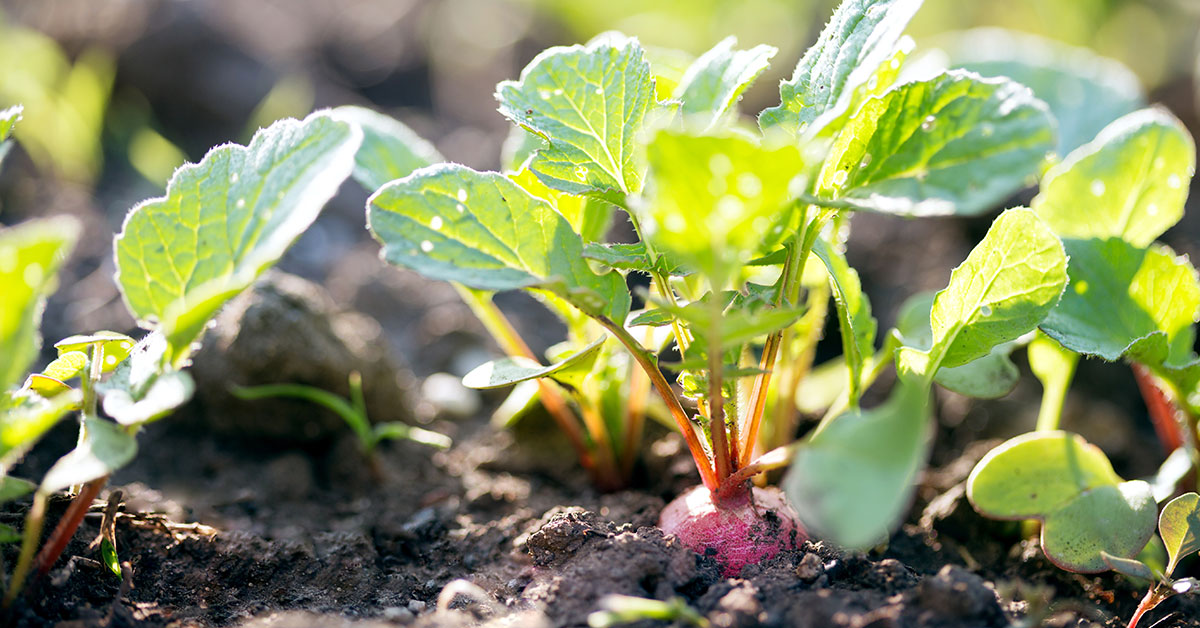

Champion Radish is known for its crispy texture and mild flavor, this radish variety is a favorite among gardeners and food enthusiasts alike.
Whether you’re a seasoned gardener or just starting out, this article will provide you with all the information you need to successfully grow Champion Radishes in your own backyard.
What is Champion Radish?
Champion Radish, scientifically known as Raphanus sativus, is a cool-season root vegetable that belongs to the Brassicaceae family. It is known for its fast growth, reaching maturity in as little as 25 days after sowing. The radish itself is characterized by its round shape, bright red skin, and white flesh. However, there are also variations of Champion Radish with pink or purple skin.
One of the main reasons why Champion Radish garners attention is its attractive appearance. Its vibrant red color adds a pop of color to salads, vegetable trays, and other culinary creations. The radish has a crisp and juicy texture, making it delightful to bite into. When it comes to flavor, Champion Radish strikes a balance between mild and slightly peppery, providing a refreshing and tangy taste.
Champion Radish is a versatile vegetable that can be used in various culinary applications. Its mild flavor and crunchy texture make it an excellent addition to salads, where it adds a refreshing bite. Sliced or grated, it can be used as a topping for sandwiches, tacos, or even as a garnish for soups and stews. Additionally, Champion Radish can be pickled to enhance its tanginess and extend its shelf life.
Apart from its culinary appeal, Champion Radish also offers several health benefits. It is low in calories and fat, making it a great addition to a weight-conscious diet. Radishes are also a good source of fiber, which aids in digestion and promotes a healthy gut. Furthermore, they are rich in vitamins C and K, as well as potassium, which contributes to overall well-being.
What does Champion Radish taste like?
The flavor of a Champion Radish can be described as pleasantly spicy and peppery. It has a mild heat that is not overwhelming, making it an ideal choice for those who prefer a little kick in their salads or sandwiches. The spiciness of the Champion Radish is balanced by a subtle sweetness, creating a harmonious combination of flavors that tantalize the taste buds.
Another notable characteristic of the Champion Radish is its refreshing and crisp texture. When you take a bite, you’ll experience a satisfying crunch that adds a delightful element to any dish. Whether you’re enjoying it raw in a salad or pickling it for a tangy side dish, the Champion Radish’s texture remains crisp and enjoyable.
One of the reasons why the Champion Radish is beloved by many is its versatility in the kitchen. Its flavor profile allows it to be used in various culinary creations. You can slice it thinly and add it to a fresh salad for an extra burst of flavor, or grate it and mix it with yogurt for a zesty radish dip. You can even roast or sauté the Champion Radish to bring out its natural sweetness and mellow down its spiciness.
In addition to its taste and texture, the Champion Radish also offers numerous health benefits. Like other radishes, it is low in calories but high in fiber, making it a great addition to a balanced diet. It is also a good source of vitamin C, potassium, and antioxidants, which contribute to a strong immune system and overall well-being.
How to start from seed
When starting Champion Radish from seed, it is important to select high-quality seeds to ensure a successful harvest. Look for reputable seed suppliers or local nurseries that offer Champion Radish seeds. Ensure that the seeds are fresh, as older seeds may have a lower germination rate. Additionally, consider purchasing organic or heirloom seeds for a more sustainable and diverse garden.
Preparing the Soil:
Before sowing the Champion Radish seeds, it is crucial to prepare the soil properly. Radishes prefer loose, well-draining soil with plenty of organic matter. Start by removing any weeds or debris from the planting area. Loosen the soil using a garden fork or tiller, breaking up any compacted areas. Incorporate compost or well-rotted manure into the soil to improve its fertility and nutrient content.
Sowing the Seeds:
Once the soil is prepared, it is time to sow the Champion Radish seeds. Radishes are cool-season crops, so it is best to sow the seeds in early spring or late summer, depending on the climate. Create shallow furrows in the soil, about ½ inch deep and 1 inch apart. Gently sprinkle the seeds along the furrows, ensuring they are spaced evenly. Cover the seeds with a thin layer of soil and lightly press down to ensure good seed-to-soil contact.
Watering and Care:
After sowing the seeds, it is important to keep the soil consistently moist throughout the germination process. Water the radish seeds gently using a watering can or hose with a fine nozzle. Avoid overwatering, as this can lead to rot or fungal diseases. Once the radishes have germinated, thin them out to ensure proper spacing. Radishes typically require about 1 inch of water per week, so monitor the moisture levels and adjust watering accordingly.
Harvesting the Radishes:
Champion Radishes are known for their quick maturity, usually ready for harvest within 20-30 days after sowing. Radishes should be harvested when they reach the desired size, as leaving them in the ground for too long can result in a woody texture and bitter taste. To harvest the radishes, gently pull them out of the soil, making sure to loosen the surrounding soil to avoid breaking the roots. Use a garden fork or trowel if needed to avoid damaging nearby radishes.
Storing and Using Radishes:
Freshly harvested Champion Radishes can be stored in the refrigerator for up to a week. Remove any excess soil and trim the tops before storing them in a perforated plastic bag or airtight container. Radishes can be enjoyed raw in salads, sliced in sandwiches, or pickled for a tangy addition to various dishes. They are also versatile ingredients in stir-fries, soups, and roasted vegetable medleys.
How to grow this vegetable in your garden
To successfully grow Champion Radish, it is important to start with high-quality seeds. When selecting your Champion Radish seeds, look for those that are specifically labeled as suitable for your climate and growing conditions. This will ensure that you have the best chance of growing healthy and productive radishes.
Preparing the Soil:
Champion Radishes thrive in well-draining soil that is rich in organic matter. Before planting, prepare your soil by removing any weeds or debris and loosening it with a garden fork or tiller. Incorporate compost or aged manure to improve the soil’s fertility and structure. Aim for a pH level of around 6.0 to 7.0, as Champion Radishes prefer slightly acidic to neutral soil.
Planting the Seeds:
Champion Radishes are typically direct-sown into the garden as they do not transplant well. Sow the seeds about half an inch deep and one inch apart in rows that are spaced approximately 12 inches apart. Ensure that the soil is moist but not waterlogged during the germination period, which usually takes about 5-7 days.
Providing Proper Care:
Watering is crucial for the successful growth of Champion Radishes. Keep the soil consistently moist, but avoid overwatering, as this can lead to rot or disease. Regularly check the moisture level of the soil and adjust your watering schedule accordingly. Additionally, mulching around the radishes can help retain moisture and suppress weed growth.
Thinning and Maintenance:
Once the radish seedlings have emerged, it is important to thin them out. Overcrowded plants will not have enough space to grow and develop properly. Thin the seedlings to about 2-3 inches apart to allow room for the radishes to mature. This will also prevent competition for nutrients and reduce the risk of disease.
Harvesting Champion Radish:
Champion Radishes are typically ready for harvest within 20-30 days after planting. The radishes should reach a size of about 1-2 inches in diameter, with a crisp and firm texture. To harvest, gently pull the radishes out of the ground, taking care not to damage the roots. Enjoy the radishes fresh in salads or use them in various recipes.
Troubleshooting Common Issues:
Despite their resilience, Champion Radishes can still face some challenges. Common issues include pest infestations, such as flea beetles or root maggots, as well as diseases like powdery mildew or damping-off. Regularly inspect your plants for any signs of damage or distress, and take appropriate measures to control pests or diseases if necessary.