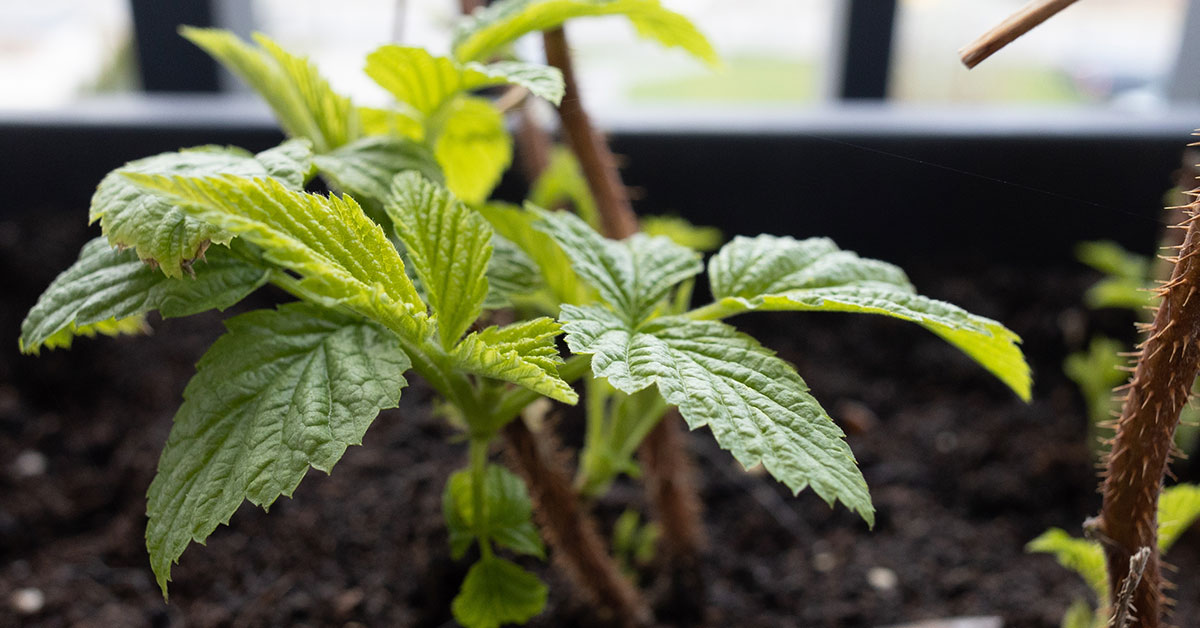

Known for its exceptional flavor and abundant harvests, the cascade delight raspberry is a delight to grow in your own backyard. Whether you’re an experienced gardener or a novice, this article will provide you with all the information you need to successfully cultivate and enjoy the Cascade Delight Raspberry.
What is Cascade Delight Raspberry?
Cascade Delight Raspberry, scientifically known as Rubus idaeus ‘Cascade Delight,’ is a popular cultivar of raspberry. It is a member of the rose family and is known for its exceptional taste and productivity. This variety was developed specifically for home gardeners, making it perfect for those who enjoy growing their own fruit.
One of the key features of Cascade Delight Raspberry is its high-yield production. This means that you can expect a bountiful harvest of delicious berries. The berries themselves are large, firm, and juicy, making them perfect for fresh eating, baking, jams, and other culinary creations.
Cascade Delight Raspberry is a fantastic addition to any garden, offering not only a beautiful display of berries but also a delicious and versatile fruit. With its high-yield production and easy cultivation requirements, this raspberry variety is perfect for both beginners and experienced gardeners.
What does a Cascade Delight Raspberry taste like?
The Cascade Delight Raspberry is truly a delight to the taste buds. Its flavor profile is a perfect balance between sweet and tart, making it a favorite among raspberry enthusiasts.
When you first take a bite, you will be greeted with a burst of sweetness that is reminiscent of freshly picked berries. The natural sugars in the fruit create a pleasant and refreshing taste that is sure to please. The sweetness is not overpowering, allowing the unique tartness of the raspberry to shine through.
Speaking of tartness, the Cascade Delight Raspberry offers just the right amount. It has a subtle tang that adds a layer of complexity to its flavor. Furthermore, this tartness provides a nice contrast to the sweetness, creating a well-rounded taste experience.
One of the most enjoyable aspects of the Cascade Delight Raspberry is its juiciness. Each bite releases a burst of flavorful juice that coats your mouth and leaves you wanting more. The juiciness enhances the overall taste, making it a truly satisfying fruit to indulge in.
Whether you eat them fresh, use them in baked goods, or incorporate them into your favorite recipes, Cascade Delight Raspberries are sure to impress with their delectable taste. Their vibrant flavor makes them versatile fruit that can be enjoyed in a variety of ways.
How to start Cascade Delight Raspberry from seed
Starting Cascade Delight Raspberry from seed is a rewarding and cost-effective way to grow this delicious and versatile fruit in your own backyard. While it may take a bit more time and patience compared to purchasing established plants, the process can be easily accomplished by following a few key steps.
- Selecting the Right Seeds:
To start Cascade Delight Raspberry from seed, you will need to acquire high-quality seeds. Look for reputable seed suppliers or garden centers that specialize in fruit plants. Ensure that the seeds are fresh and have not expired. - Preparing the Soil:
Cascade Delight Raspberries thrive in well-drained, fertile soil. Before sowing the seeds, prepare the soil by removing any weeds or debris and loosening it with a garden fork or tiller. Incorporate organic matter like compost or well-rotted manure to improve soil structure and nutrient content. - Sowing the Seeds:
In early spring, when the soil has warmed up and frost is no longer a concern, it is time to sow the Cascade Delight Raspberry seeds. Create furrows in the prepared soil, about half an inch deep and 12-18 inches apart. Place the seeds in the furrows, spacing them around 2 inches apart. Cover the seeds with soil and gently firm them down. - Providing Optimal Growing Conditions:
Cascade Delight Raspberry seeds require consistent moisture and warmth to germinate. Keep the soil evenly moist throughout the germination period, but avoid overwatering to prevent rotting. To maintain a warm and consistent temperature, consider covering the seeded area with a plastic sheet or using a mini greenhouse. - Germination and Seedling Care:
Germination typically takes around 2-3 weeks. Once the seedlings emerge, remove the plastic covering or mini greenhouse and provide them with ample sunlight. Place them in a location that receives at least 6-8 hours of direct sunlight per day. If natural sunlight is limited, you can use fluorescent grow lights to supplement the light. - Transplanting the Seedlings:
After the seedlings have developed a few sets of true leaves and are approximately 3-4 inches tall, they are ready to be transplanted. Choose a well-draining location in your garden or prepare containers with good drainage. Dig holes or create depressions in the soil or containers, spacing them around 2-3 feet apart. Carefully lift the seedlings from their original location, taking care not to damage the delicate roots, and transplant them into the prepared holes or containers. Additionally, ensure that the soil is evenly moist after transplanting.
How to grow this fruit in your garden
Growing your own Cascade Delight Raspberry can be a rewarding and delicious experience. These juicy and flavorful berries are not only a delight to eat but also relatively easy to grow. These instructions will guide you through the step-by-step process of growing Cascade Delight Raspberry plants in your own backyard.
- Selecting the Right Location:
Cascade Delight Raspberry plants thrive in full sun, so it’s important to choose a location in your garden that receives at least 6-8 hours of direct sunlight each day. The soil should be well-draining and rich in organic matter. Consider planting them in raised beds or containers if your soil is heavy or clay-based. - Preparing the Soil:
Before planting, prepare the soil by removing any weeds or grass from the area. Dig a hole that is wide enough to accommodate the roots of the raspberry plant. Incorporate organic matter such as compost or well-rotted manure into the soil to improve its fertility and drainage. - Planting the Raspberry Plants:
Dig a hole deep enough to cover the roots of the raspberry plant, leaving the crown (where the stem meets the roots) just above the soil level. Place the plant in the hole and gently backfill it with soil, firming it around the base of the plant. Additionally, water thoroughly to settle the soil. - Providing Support:
Cascade Delight Raspberry plants are vigorous climbers and require support to keep the canes upright. Install a trellis system or a wire support structure to prevent the canes from sprawling on the ground. This will also make harvesting easier and protect the fruits from rotting. - Watering and Mulching:
Raspberries require consistent moisture, especially during the growing season. Water deeply and regularly, ensuring that the soil remains evenly moist but not waterlogged. Mulching around the plants with organic materials like straw or wood chips will help conserve moisture, suppress weeds, and maintain a cool root environment. - Pruning and Training:
Pruning is an essential step in maintaining healthy and productive raspberry plants. After the first year of growth, remove the weak or damaged canes and thin out the remaining ones to allow adequate air circulation. Furthermore, train the canes along the support system, tying them with soft twine or plant clips. - Fertilizing:
Cascade Delight Raspberry plants benefit from regular feeding to promote healthy growth and abundant fruiting. Apply a balanced organic fertilizer in early spring and again in early summer, following the recommended dosage on the packaging. Avoid excessive nitrogen fertilizers, as they can lead to excessive vegetative growth at the expense of fruit production. - Pest and Disease Management:
Keep an eye out for common pests like aphids, spider mites, and raspberry fruitworms. Regularly inspect the plants for signs of damage or infestation, and take appropriate action such as applying organic insecticides or introducing beneficial insects. Preventive measures such as good air circulation, proper sanitation, and regular pruning can also help reduce the risk of diseases like powdery mildew or raspberry cane blight.
Remember to provide proper care, including watering, pruning, and pest management, to ensure the health and productivity of your raspberry plants. With a little patience and attention, you’ll be rewarded with a delightful addition to your garden and an abundance of delicious raspberries to enjoy throughout the season.