
If you’re a strawberry lover and have a green thumb, then growing the Camarosa strawberry is an endeavor worth considering. Renowned for its juicy, sweet flavor and vibrant red color, the Camarosa strawberry is a favorite among gardeners and berry enthusiasts alike.
Whether you’re a seasoned gardener or just starting out, get ready to dive into the world of Camarosa strawberries and learn all you need to know to cultivate your own bountiful harvest.
What is a Camarosa Strawberry?
When it comes to strawberries, the Camarosa variety is a well-known and beloved option among gardeners and fruit enthusiasts alike. With its vibrant red color, sweet flavor, and firm texture, Camarosa strawberries have become a favorite choice for both home gardeners and commercial growers. In this blog post, we will explore what makes Camarosa strawberries so special and why they are worth considering for your garden or next trip to the farmers’ market.
Camarosa strawberries were first developed in California in the 1960s. This variety is a hybrid of two popular strawberry cultivars, the Pajaro and the Cal 59. The result is a strawberry that combines the best traits of both parents, making it highly desirable for its exceptional flavor and market appeal.
One of the defining characteristics of Camarosa strawberries is their large size. They are typically larger than other strawberry varieties, with an average diameter of 1.5 to 2 inches. These strawberries have a conical shape and a glossy, bright red exterior that adds to their visual appeal. The flesh is firm and juicy, making them perfect for eating fresh, baking, or adding to salads.
Camarosa strawberries are renowned for their exceptional flavor. They have a perfect balance of sweetness and tartness, with a rich strawberry taste that is both intense and satisfying. The high sugar content of these strawberries makes them perfect for eating on their own, using in desserts, or making jams and preserves.
If you are considering growing Camarosa strawberries in your garden, you’ll be pleased to know that they are relatively easy to cultivate. They thrive in well-draining soil with a pH level between 5.8 and 6.5. These strawberries are known for their vigorous growth and high yields. Making them a popular choice for commercial growers as well. Whether you have a small backyard garden or a larger plot, Camarosa strawberries can be a rewarding addition to your fruit collection.
Camarosa strawberries are available in many regions, particularly in California where they were first developed. However, their popularity has spread, and you may find them at farmers’ markets or grocery stores in other parts of the country as well. The peak season for Camarosa strawberries usually falls between late spring and early summer, although their availability may vary depending on your location.
What does Camarosa Strawberry taste like?
The first thing you may notice when you bite into a Camarosa strawberry is its juicy sweetness. These strawberries have a high sugar content, making them incredibly flavorful and satisfyingly sweet. The natural sugars in Camarosa strawberries give them a delightful taste that can satisfy even the most discerning sweet tooth.
However, the sweetness of Camarosa strawberries is not overwhelming. They strike a perfect balance between sweet and tangy, creating a harmonious flavor profile. The slight tartness adds a refreshing element to the overall taste and prevents the strawberries from becoming too sugary. This balance makes Camarosa strawberries a versatile fruit that can be enjoyed in various ways.
In addition to their sweetness, Camarosa strawberries have a subtly floral and aromatic quality. When you take a bite, you may notice a hint of floral notes that enhance the overall taste experience. This delicate fragrance is a pleasant surprise that adds depth to the flavor and makes eating Camarosa strawberries a truly delightful sensory experience.
The texture of Camarosa strawberries is another aspect that contributes to their exceptional taste. These berries are known for their firm and plump texture, which provides a satisfying bite. They are not overly soft or mushy, allowing you to enjoy the natural juiciness and flavor without any unpleasant texture.
Whether you eat them fresh, use them in baking, or incorporate them into your favorite recipes, Camarosa strawberries are sure to impress your taste buds. Their sweet and tangy flavor, combined with a delicate floral aroma, makes them a favorite among strawberry enthusiasts.
How to start from seed
Starting Camarosa strawberries from seed can be a rewarding and cost-effective way to grow these delicious berries in your own backyard. While it may take a bit more time and effort compared to buying established plants, the process can be quite simple if you follow the right steps.
- Choosing the Right Seeds: The first step in starting Camarosa strawberries from seed is to acquire high-quality seeds. Look for reputable seed suppliers or consider collecting seeds from mature Camarosa plants if you have access to them. Ensure that the seeds are fresh and have not expired.
- Preparing the Soil: Camarosa strawberries thrive in well-draining soil with a slightly acidic pH level between 5.5 to 6.5. Prepare the soil by removing any weeds or debris and loosening it up with a garden fork or tiller. Incorporate organic matter such as compost or well-rotted manure to improve soil fertility.
- Sowing the Seeds: Start by filling seed trays or small pots with a good quality seed-starting mix. Moisten the mix slightly before sowing the seeds. Place one or two seeds in each cell or pot, ensuring they are buried at a depth of about 1/8 to 1/4 inch. Lightly cover the seeds with the seed-starting mix and gently press it down.
- Providing the Right Environment: Camarosa strawberries require warm temperatures for germination. Place the seed trays or pots in a warm location, ideally between 70 to 75°F (21 to 24°C). You may also cover the trays with a plastic dome or plastic wrap to create a mini greenhouse effect, which helps retain moisture and warmth.
- Watering and Care: Keep the soil consistently moist but not waterlogged. Using a misting spray bottle or a fine watering can avoid displacing the seeds. Check the soil moisture regularly and adjust watering accordingly. Ensure the seedlings receive adequate sunlight or provide artificial light using grow lights if necessary.
- Transplanting Seedlings: Once the seedlings have developed at least two sets of true leaves, they can be transplanted into individual pots or containers. Carefully lift the seedlings from the tray, taking care not to damage the delicate roots. Plant them at the same depth they were growing in the seed trays and gently firm the soil around their base.
- Hardening Off and Planting Out: Before planting the seedlings outdoors, it is important to acclimate them gradually to outdoor conditions. This process, known as “hardening off,” involves exposing the seedlings to increasing amounts of sunlight and outdoor temperatures over a period of several days. Afterward, choose a sunny location in your garden with well-draining soil to plant the Camarosa strawberries.
How to grow this fruit in your garden
Before planting Camarosa strawberries, it’s essential to choose the right location for optimal growth. Camarosa strawberries thrive in full sun, so look for an area in your garden that receives at least six to eight hours of direct sunlight each day. Ensure that the soil is well-drained and rich in organic matter, as this will provide the ideal conditions for your Camarosa strawberry plants.
Preparing the Soil:
Preparing the soil is a crucial step in growing healthy Camarosa strawberries. Start by removing any weeds or grass from the planting area. Then, loosen the soil using a garden fork or tiller, ensuring that it is well-aerated. Incorporate compost or well-rotted manure into the soil to improve its fertility and drainage. Camarosa strawberries prefer slightly acidic soil with a pH level between 5.5 and 6.5, so test the soil and adjust it if necessary.
Planting Camarosa Strawberry Plants:
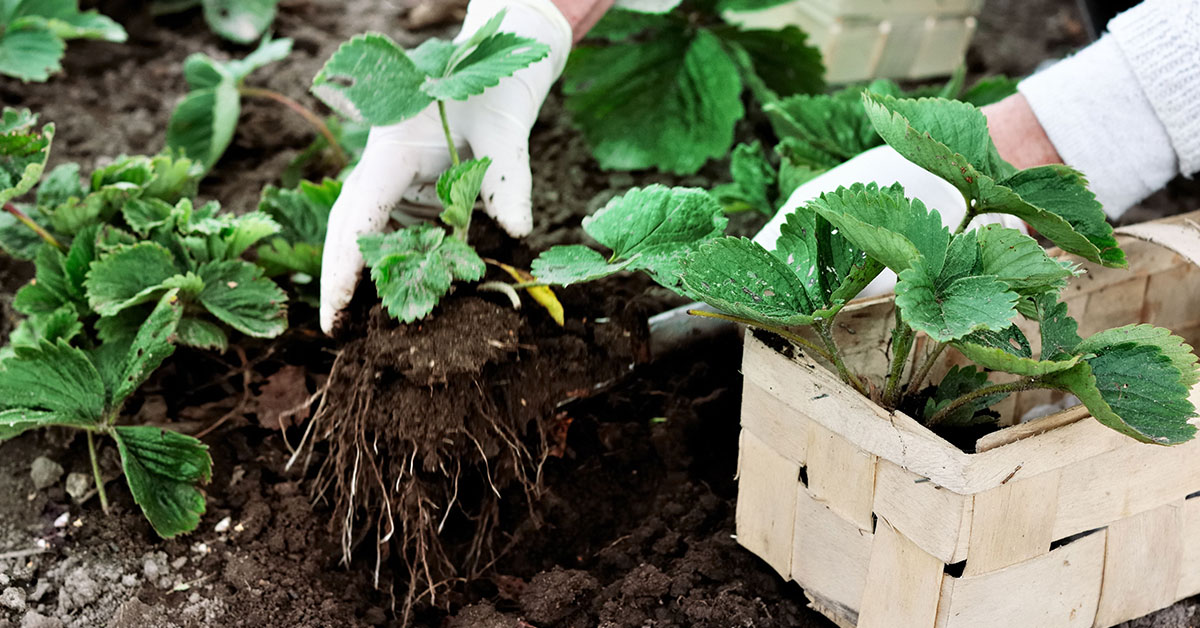
Once the soil is prepared, it’s time to plant your Camarosa strawberry plants. Dig holes that are wide and deep enough to accommodate the plant’s root system. Space the plants about 12-18 inches apart, allowing enough room for the plants to spread as they grow. Place the plants in the holes, ensuring that the crown (the point where the roots meet the stem) is level with the soil surface. Gently backfill the holes with soil, firming it around the plants to remove any air pockets.
Caring for Camarosa Strawberry Plants:
Proper care is essential for the successful growth of your Camarosa strawberry plants. Regular watering is crucial, especially during dry spells or when the plants are flowering and fruiting. Aim to keep the soil consistently moist but not waterlogged. Mulching around the plants can help retain moisture and prevent weed growth.
Fertilizing your Camarosa strawberry plants is also important for healthy growth. Apply a balanced fertilizer, such as a 10-10-10 formulation, according to the manufacturer’s instructions. Avoid over-fertilizing, as this can lead to excessive foliage growth at the expense of fruit production.
Pruning and Harvesting:
To encourage healthy growth and better yields, it’s recommended to prune your Camarosa strawberry plants. Remove any dead or damaged leaves, as well as runners (long stems that emerge from the plant and produce new plants). This will redirect the plant’s energy toward fruit production.
Once your Camarosa strawberries start ripening, it’s time to harvest the fruits. Gently pick the strawberries when they are fully red and ripe, using a sharp pair of scissors or your fingers. It’s best to harvest them in the morning when the berries are cool and firm. Enjoy your freshly picked Camarosa strawberries right away or use them in a variety of delicious recipes.