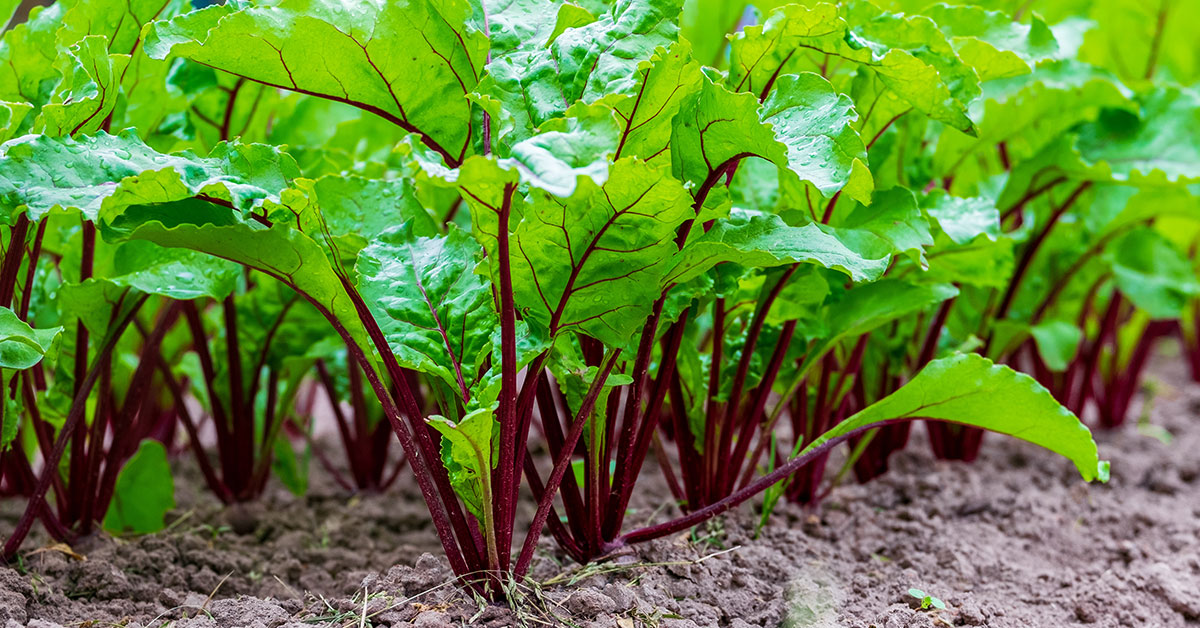

The Boldor beet is known for its striking golden hue and earthy-sweet flavor, this heirloom variety has gained popularity among gardeners and food enthusiasts alike.
In this article, we will explore the art of growing Boldor beets, from selecting the perfect seeds to nurturing them into thriving plants.
What is a Boldor Beet?
Boldor Beet, also known as Beta vulgaris ‘Boldor’, is a unique and vibrant vegetable that is gaining popularity in the culinary world. This captivating vegetable features a stunning golden-yellow color, making it a standout among other beets.
Boldor Beet is easily distinguishable due to its distinctive golden hue, which sets it apart from the traditional deep red beets. The roots are smooth, round, and have a slightly flattened shape. The leaves of the Boldor Beet are edible too, with a tender texture and a taste similar to spinach. This adds to the versatility and culinary appeal of this unique vegetable.
The origins of Boldor Beet can be traced back to the Netherlands, where it was developed through crossbreeding various beet varieties. The goal was to create a beet with a new and vibrant color that would enhance the visual appeal of dishes. Since its creation, Boldor Beet has gained popularity worldwide and is now cultivated in several countries.
Boldor Beet is not only visually striking but also packed with essential nutrients. Similar to other beets, it is an excellent source of vitamins, minerals, and antioxidants. It contains high levels of vitamin C, which boosts the immune system and promotes collagen production. Additionally, Boldor Beet is rich in dietary fiber, which aids digestion and supports overall gut health. Its vibrant color is an indication of the presence of betalains, compounds known for their anti-inflammatory and detoxifying properties.
Boldor Beet can be enjoyed in various ways, making it a versatile addition to your diet. You can use it raw in salads, where its vibrant color will add a pop of brightness. Roasting the Boldor Beet brings out its natural sweetness and intensifies its flavors. You can also steam or pickle it to preserve its unique characteristics. Additionally, don’t forget to use the tender beet leaves in salads, sautés, or as a garnish.
What does Boldor Beet taste like?
Boldor Beets are known for their vibrant golden-yellow color, which immediately sets them apart from their red counterparts. But what really makes them stand out is their taste. Boldor Beets have a pleasantly sweet and earthy flavor, making them a delightful addition to a variety of dishes.
The sweetness of Boldor Beets is often compared to that of candy or caramel, making them a versatile ingredient in both sweet and savory recipes. The earthy undertones provide a grounding flavor that balances out the sweetness, creating a well-rounded taste experience.
Unlike some varieties of beets that can have a strong and sometimes overpowering earthy taste, Boldor Beets are known for their mild flavor. This makes them more approachable for those who may be hesitant to try beets due to their reputation for having an intense taste.
In addition to being mild, Boldor Beets also have a subtle nutty flavor that adds an extra layer of complexity to their taste. This nuttiness is often described as reminiscent of almonds or walnuts, adding a delightful hint of richness to dishes.
The unique taste profile of Boldor Beets makes them a versatile ingredient that can be used in various culinary creations. They can be enjoyed raw, thinly sliced, and added to salads or slaws for a refreshing and vibrant touch. When cooked, Boldor Beets retain their sweetness and nuttiness, making them a delightful addition to roasted vegetable medleys, soups, or even as a standalone side dish.
How to start from seed
Before you can start growing Boldor Beets, it is important to select and purchase high-quality seeds. Look for reputable seed suppliers or nurseries that offer organic and non-GMO Boldor Beet seeds. Ensure that the seeds are fresh and have not surpassed their expiration date. It is also a good idea to read customer reviews or seek recommendations from experienced gardeners to ensure the quality and reliability of the seeds.
Preparing the Soil for Boldor Beet Seeds: Boldor Beets prefer well-drained soil with a pH range of 6.0 to 7.5. Begin by clearing the chosen area of any weeds or debris. Loosen the soil using a garden fork or tiller to a depth of at least 6 inches. Remove any rocks or large clumps of soil that may hinder the growth of the beetroots. Incorporate organic matter, such as compost or well-rotted manure, into the soil to improve its fertility and drainage.
Sowing Boldor Beet Seeds: Boldor Beet seeds should be sown directly into the soil as they do not transplant well. Plant the seeds 1/2 inch deep and about 1 inch apart. Space the rows approximately 12 to 18 inches apart to allow enough room for the beets to grow and develop. Furthermore, after sowing the seeds, gently cover them with soil and pat it down to ensure good seed-to-soil contact.
Watering and Care: After sowing the Boldor Beet seeds, water the area thoroughly to ensure proper germination. Beets require consistent moisture to grow, so it is important to keep the soil evenly moist throughout the growing season. Avoid overwatering, as it can lead to rotting of the roots. Regularly check the soil moisture and water as needed, especially during dry spells or hot weather.
Thin and Mulch: Once the Boldor Beet seedlings emerge, it is important to thin them out to provide enough space for each plant to grow. Thin the seedlings to a spacing of 3 to 4 inches apart. Thinning helps prevent overcrowding and allows the beets to develop fully. Additionally, applying a layer of organic mulch around the seedlings can help retain moisture, suppress weed growth, and regulate soil temperature.
How to grow this vegetable in your garden
Growing Boldor beets (Beta vulgaris) in a garden can be a rewarding experience. Here are steps to successfully grow and care for these beets:
Selecting the Right Location:
- Choose a location that receives full sun or partial shade, with a minimum of 6 hours of direct sunlight daily.
- Ensure that the soil is well-drained, as beets do not thrive in soggy conditions.
Preparing the Soil:
- Clear the area of any weeds, rocks, or debris.
- Loosen the soil to a depth of about 12 inches (30 cm) using a garden fork or tiller.
- Incorporate organic matter such as compost or well-rotted manure to improve soil fertility and drainage.
Planting Boldor Beets:
- Sow the seeds directly into the prepared soil after the danger of frost has passed and the soil temperature reaches around 50°F (10°C).
- Make furrows about 1 inch (2.5 cm) deep and space them 12 inches (30 cm) apart.
- Space the seeds about 2 inches (5 cm) apart within the furrows.
- Cover the seeds lightly with soil, pat it down gently, and water the area. Keep the soil evenly moist until germination occurs, which usually takes around 7-14 days.
Watering and Fertilizing:
- Beets require consistent moisture to promote healthy growth and prevent them from becoming tough or woody.
- Water deeply once or twice a week, ensuring the soil remains evenly moist (about 1 inch of water per week).
- Mulch around the plants to help conserve moisture and suppress weed growth.
- Fertilize with a balanced organic fertilizer once every 3-4 weeks or according to the instructions on the fertilizer package.
Pest and Disease Management:
- Regularly inspect your plants for signs of pests such as aphids, leaf miners, or slugs. Remove them by hand or use an organic insecticidal soap if necessary.
- Crop rotation can help prevent the buildup of soil-borne diseases.
- Provide adequate spacing between plants to improve airflow and reduce the risk of fungal diseases.
- Monitor for diseases like powdery mildew or leaf spot, and if detected, consult a local garden center for appropriate treatment options.
Harvesting and Storage:
- Boldor beets are typically ready to harvest 45-60 days after sowing, depending on the desired size.
- Gently pull or dig the beets from the soil, being careful not to damage the roots.
- Trim off the leaves about an inch above the crown, leaving some stem intact to prevent bleeding.
- Store beets in a cool, dark, and humid environment such as a basement or refrigerator. Make sure to remove any excess soil but avoid washing the beets until ready to use.