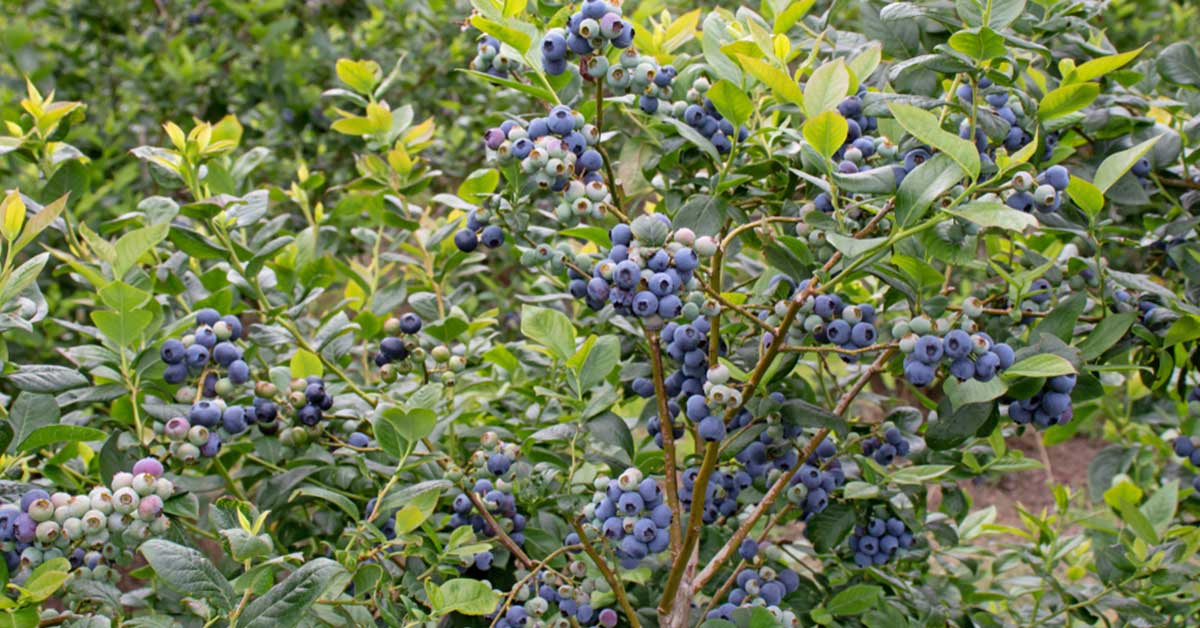

The Bluejay Blueberry is known for its stunning blueberries and ornamental features, this variety is a must-have for any fruit enthusiast.
Whether you’re an experienced gardener or just starting out, this guide will provide you with all the essential tips and tricks to successfully grow Bluejay Blueberries in your own backyard.
What is a Bluejay Blueberry?
Bluejay Blueberry is a medium-sized fruit that usually measures around 0.5 to 1 inch in diameter. It has a round shape, slightly resembling a small marble, and is typically covered in a powdery blue bloom. The berries are known for their intense blue color, which adds a delightful visual appeal to any dish or garden.
One of the most notable features of Bluejay Blueberry is its exceptional taste. The berries are known for their perfect balance of sweetness and acidity, creating a delightful burst of flavors with every bite. The texture is firm yet juicy, providing a satisfying mouthfeel that is both refreshing and enjoyable.
Bluejay Blueberries are not only delicious but also offer numerous health benefits. They are packed with essential vitamins, minerals, and antioxidants, making them a nutritious addition to any diet. Regular consumption of blueberries has been linked to improved heart health, enhanced brain function, and reduced inflammation.
Bluejay Blueberries are incredibly versatile and can be used in a variety of culinary applications. They are commonly enjoyed fresh as a snack, added to smoothies, baked into muffins, and pies, or incorporated into jams and preserves. Their vibrant blue color also makes them a popular choice for garnishing desserts or adding a pop of color to salads.
What does a Bluejay Blueberry taste like?
Bluejay Blueberries, as the name suggests, has a vibrant blue color that is both visually appealing and distinctive. These berries are typically small to medium-sized, making them perfect for snacking or adding to various recipes. With their deep blue hue, Bluejay Blueberries can easily catch your eye and make any dish more enticing.
Bluejay Blueberries are renowned for their exceptional taste, which sets them apart from other blueberry varieties. When you take a bite of a Bluejay Blueberry, you will experience a burst of sweetness combined with a hint of tartness. These berries strike the perfect balance, making them enjoyable for those who prefer a sweeter flavor but still crave a touch of tanginess.
In addition to their delightful taste, Bluejay Blueberries have a pleasing texture that adds to their overall appeal. The skin of these berries is thin and tender, allowing for easy consumption. As you bite into a Bluejay Blueberry, you will notice a satisfying juiciness that enhances the eating experience. This juiciness, coupled with the berry’s firmness, creates a delightful mouthfeel that will keep you coming back for more.
Bluejay Blueberries are not just delicious on their own; they also shine in various culinary applications. Their well-balanced flavor makes them a versatile ingredient that can be used in both sweet and savory dishes. From adding a pop of flavor to salads and sauces to being the star ingredient in pies, muffins, and smoothies, Bluejay Blueberries can elevate any recipe with its unique taste and visual appeal.
Like their traditional blueberry counterparts, Bluejay Blueberries are packed with essential nutrients and health benefits. These berries are rich in antioxidants, which help protect the body against harmful free radicals. Additionally, Bluejay Blueberries are a good source of vitamins C and K, as well as dietary fiber. Incorporating Bluejay Blueberries into your diet can contribute to improved heart health, better digestion, and a strengthened immune system.
How to start from seed
Starting bluejay blueberry plants from seed can be a rewarding and cost-effective way to grow your own delicious berries. This guide will help you through the step-by-step process of starting bluejay blueberries from seed.
- Prepare the Soil:
Bluejay blueberries prefer well-draining soil. Fill your seed starting trays or pots with a seed starting mix or a mixture of peat moss and perlite. Moisten the soil before planting the seeds to ensure optimal conditions. - Planting the Seeds:
Place one or two bluejay blueberry seeds per pot or cell, about a quarter-inch deep. Gently cover the seeds with soil and lightly press down to ensure good seed-to-soil contact. Space the seeds at least an inch apart to allow enough room for growth. - Provide Optimal Conditions:
Bluejay blueberries require a warm and moist environment to germinate. Cover the seed starting trays with clear plastic wrap or use a seedling tray cover to create a greenhouse-like effect. This will help maintain high humidity levels and encourage germination. Additionally, place the trays in a warm location or use a seedling heat mat to provide consistent warmth. - Watering and Care:
Keep the soil evenly moist, but not waterlogged, throughout the germination period. Use a watering can or a spray bottle to gently water the seeds. Avoid overwatering, as it can lead to rot or fungal diseases. Check the moisture level regularly and adjust watering accordingly. - Germination and Growth:
Bluejay blueberry seeds usually take around 2-4 weeks to germinate. Once the seedlings emerge, remove the plastic wrap or cover and place the trays under grow lights or in a sunny location. Bluejay blueberries require at least 6-8 hours of direct sunlight per day. If using grow lights, keep them on for 12-14 hours a day. - Transplanting:
Once the seedlings have developed their second set of true leaves, they are ready to be transplanted into larger containers or directly into the garden. Bluejay blueberries prefer acidic soil with a pH of 4.5-5.5. Ensure the planting location provides well-draining soil and adequate sun exposure. - Continued Care:
Bluejay blueberries require regular watering, especially during dry spells. Mulching around the plants can help retain moisture and suppress weeds. Fertilize with a balanced slow-release fertilizer formulated for acid-loving plants.
How to grow this plant in your garden
The first step in growing Bluejay Blueberries is selecting the right location for planting. Blueberries thrive in well-draining soil with a pH level between 4.5 and 5.5. It is important to choose a spot that receives full sun for at least six hours a day. Consider the overall size of the Bluejay Blueberry bush, as it can grow up to 6 feet tall and wide. Ensure that there is enough space for the plant to grow and spread its branches.
Soil Preparation and Planting:
Bluejay Blueberries prefer acidic soil with high organic matter content. Before planting, test the soil pH using a soil testing kit, and amend it if necessary. To increase acidity, incorporate peat moss or pine needles into the soil. Dig a hole twice as wide and deep as the Bluejay Blueberry plant’s root ball. Place the plant in the hole, ensuring that the top of the root ball is level with the ground. Furthermore, backfill the hole with soil, gently firming it around the roots.
Watering and Mulching:
Proper watering is crucial for the healthy growth of Bluejay Blueberries. Once planted, water the bush thoroughly, and continue to provide regular watering throughout the growing season. Blueberries have shallow roots, so it is important to keep the soil consistently moist but not waterlogged. Applying a layer of organic mulch around the base of the plant will help retain moisture, suppress weeds, and regulate soil temperature.
Fertilizing and Pruning:
Bluejay Blueberries require regular fertilization to ensure optimal growth and fruit production. Use a balanced, slow-release fertilizer specifically formulated for acid-loving plants. Apply the fertilizer in early spring and again in early summer. Additionally, pruning is essential for maintaining the shape and health of the Bluejay Blueberry bush. Prune in late winter or early spring to remove dead or damaged branches and to encourage new growth.
Pest and Disease Control:
While Bluejay Blueberries are relatively pest and disease-resistant, it is important to monitor your plants regularly for any signs of trouble. Common pests that can affect blueberries include aphids, mites, and fruit flies. Implementing proper cultural practices such as regular pruning, maintaining good airflow around the plants, and removing fallen debris can help prevent pest infestations. If necessary, organic insecticides and fungicides can be used as a last resort.
Harvesting and Enjoying Bluejay Blueberries:
After proper care and patience, your Bluejay Blueberry bushes will reward you with an abundant harvest. Bluejay Blueberries typically ripen in mid to late summer. The berries should be firm, plump, and have a deep blue color. Gently twist or pick the berries from the bush when they are fully ripe. Blueberries can be enjoyed fresh, used in baking, or frozen for future use.