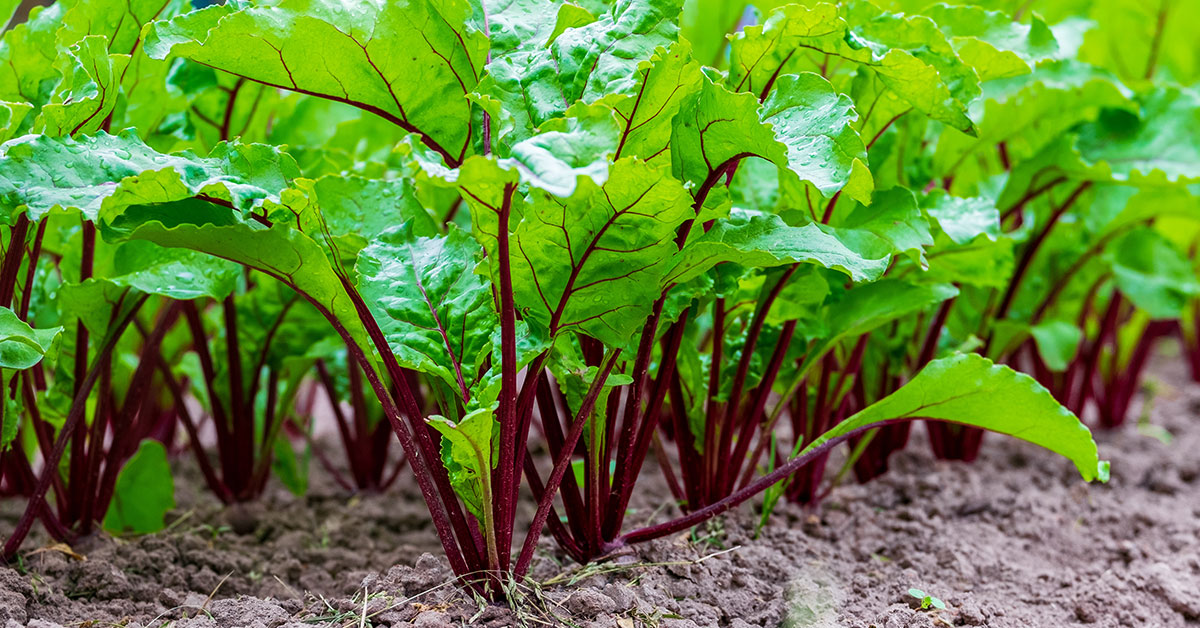

Badger Flame Beet, also known as Beta vulgaris ‘Badger Flame’, is a vibrant and eye-catching vegetable that is gaining popularity among gardeners and food enthusiasts alike.
With its striking fiery red-orange color and sweet, earthy flavor, this unique beet variety is not only a feast for the eyes but also a delight for the taste buds.
We will explore the art of growing Badger Flame Beets, from selecting the right seeds to nurturing them through each stage of their growth.
What is a Badger Flame Beet?
The Badger Flame Beet, also known as Beta vulgaris, is a variety of beetroot that stands out due to its distinct appearance and taste. It has a vibrant reddish-orange color that resembles the flames of a fire, hence its name. The shape of the Badger Flame Beet is similar to a traditional beetroot, with a round or oval shape and smooth skin.
The origins of the Badger Flame Beet can be traced back to the Mediterranean region, where it has been cultivated for centuries. It is believed to have been brought to Europe by the Romans, who recognized its nutritional value and culinary potential. Since then, it has spread to various parts of the world, including North America, where it has gained popularity among chefs and food enthusiasts.
Apart from its delightful taste, the Badger Flame Beet also boasts numerous nutritional benefits. Just like other beets, it is a rich source of vitamins and minerals, including vitamin C, fiber, and potassium. It also contains antioxidants that help boost the immune system and protect against certain diseases. Incorporating Badger Flame Beets into your diet can be an excellent way to enhance your overall health and well-being.
The Badger Flame Beet is as versatile in the kitchen as it is visually appealing. It can be enjoyed both raw and cooked, making it suitable for a wide range of dishes. Raw Badger Flame Beet can be grated and added to salads or used as a colorful garnish. When cooked, it can be roasted, boiled, or steamed, and used in soups, stews, or even as a standalone side dish. Its sweet flavor pairs well with various ingredients, such as citrus fruits, goat cheese, and nuts, allowing for endless culinary possibilities.
What does Badger Flame Beet taste like?
One of the defining characteristics of the Badger Flame Beet is its natural sweetness. When cooked, it offers a mild and earthy flavor that is often compared to that of a regular beet but with a sweeter undertone. The sweetness of the Badger Flame Beet is more pronounced when roasted or caramelized, bringing out its natural sugars and creating a delightful caramel-like flavor.
The taste of Badger Flame Beet lends itself well to a wide range of culinary creations. Its natural sweetness makes it a versatile ingredient that can be used in both sweet and savory dishes. From salads and soups to roasted vegetable medleys and even desserts, the Badger Flame Beet adds a unique and delightful flavor to any recipe it is incorporated into.
When it comes to pairing the Badger Flame Beet with other ingredients, there are plenty of options to explore. Its sweetness pairs well with tangy flavors such as goat cheese, balsamic vinegar, and citrus fruits. Additionally, the earthy undertones of the beet can be enhanced by using ingredients like thyme, rosemary, and garlic.
To fully appreciate the taste of the Badger Flame Beet, it is important to preserve its unique flavors during the cooking process. Roasting or grilling the beet helps to intensify its sweetness, while steaming or boiling can mellow out the flavor. Remember to avoid overcooking, as this can lead to a loss of flavor and texture.
How to start from seed
The Badger Flame Beet is a vibrant and eye-catching vegetable that is a must-have addition to any garden. With its unique reddish-orange color, this beet variety is not only visually appealing but also packed with nutrients.
Choosing the Right Seeds: To start your Badger Flame Beet journey, it is essential to select high-quality seeds. Look for reputable seed suppliers or local nurseries that offer organic and non-GMO beet seeds. Badger Flame Beet seeds are readily available online or at gardening stores, ensuring you have a variety of options to choose from.
Preparing the Soil: Before sowing your Badger Flame Beet seeds, prepare the soil properly to provide the perfect growing environment. Beets thrive in loose, well-draining soil, so ensure that there are no clumps or compacted areas. Remove any rocks or debris and add organic matter like compost or well-rotted manure to enrich the soil with nutrients.
Sowing the Seeds: Once your soil is prepared, it’s time to sow the Badger Flame Beet seeds. Start by creating shallow furrows about half an inch deep. Space the furrows at least 12 inches apart to allow sufficient room for the beets to grow. Place the seeds about 2 inches apart within the furrows and cover them with a thin layer of soil. Gently pat down the soil to ensure good seed-to-soil contact.
Watering and Care: Proper watering is crucial for the successful germination of Badger Flame Beet seeds. Keep the soil consistently moist but not soggy. Avoid overwatering, as it can lead to rot or fungal diseases. Consider using a gentle sprinkler or a watering can with a fine rose attachment to ensure even watering.
Thinning and Transplanting: As your Badger Flame Beet seedlings start to emerge, you may notice that they are crowded together. To give each beet enough space to grow, thin the seedlings when they are about 2 inches tall. Gently remove the weaker seedlings, leaving the healthiest ones at least 3-4 inches apart.
If you prefer to transplant your seedlings, wait until they have formed at least two true leaves. Carefully lift them from the ground, taking care not to damage the roots. Transplant the seedlings into well-prepared soil, ensuring they are spaced correctly.
Providing Adequate Sunlight and Nutrients: Badger Flame Beets require full sun to thrive and develop their vibrant color. Ensure they receive at least 6-8 hours of direct sunlight each day. If you are growing them in containers, place them in a sunny spot or use reflective materials to maximize sunlight exposure.
Additionally, beets are heavy feeders and benefit from regular fertilization. Consider using a balanced organic fertilizer or compost to provide the necessary nutrients for healthy growth.
How to grow this plant in your garden
With its vibrant reddish-orange skin and sweet, earthy flavor, this beet is not only a delightful addition to any dish but also a stunning visual treat.
Choosing the Right Location and Soil: To ensure optimum growth and yield, it is important to choose the right location for your Badger Flame Beet garden. These beets thrive in full sun, so select a spot that receives at least 6-8 hours of direct sunlight each day. Additionally, the soil should be well-draining and rich in organic matter. Prepare the soil by removing any weeds, rocks, or debris, and amend it with compost or well-rotted manure to improve its fertility.
Planting Badger Flame Beet Seeds: Badger Flame Beets can be directly sown outdoors once the danger of frost has passed and the soil has warmed up. Start by creating rows or furrows in the prepared soil, spaced around 12-18 inches apart. Sow the seeds about 1-2 inches apart and half an inch deep, then cover them with soil. Water gently to ensure the seeds are moist but not waterlogged.
Watering and Maintenance: To ensure healthy growth, Badger Flame Beets require consistent moisture. Water the plants regularly, aiming to keep the soil evenly moist but not saturated. Avoid overhead watering, as this can increase the risk of diseases. Consider using a soaker hose or drip irrigation system to deliver water directly to the base of the plants.
Throughout the growing season, it is important to keep the area around the beets weed-free. Regularly remove any competing plants or weeds that may hinder the growth of the beets. Additionally, thinning the seedlings when they reach about 2 inches in height will allow the remaining plants enough space to develop properly.
Harvesting Badger Flame Beets: Badger Flame Beets are typically ready for harvest around 55-70 days after sowing, depending on the desired size. You can start harvesting the beets when they reach the desired size, usually around 2-3 inches in diameter. To harvest, gently loosen the soil around the beet and carefully pull it out, taking care not to damage the roots. Trim off the leaves, leaving about an inch of stem attached to the beet.
Storing and Using Badger Flame Beets: After harvesting, it is important to properly store your Badger Flame Beets to prolong their freshness. Remove any excess soil, but avoid washing them until you are ready to use them. Store the beets in a cool, dry place, such as a root cellar or refrigerator, where they can last for several weeks. You can use these beets in a variety of recipes, such as salads, roasted vegetables, or even pickled for a tangy twist.