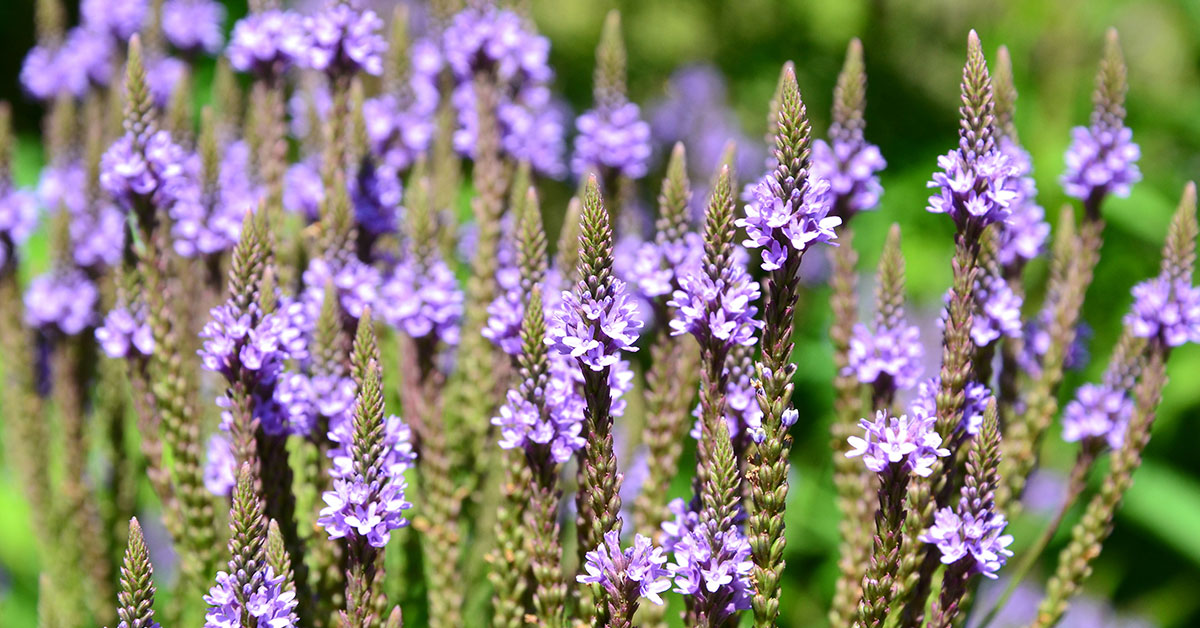

Vervain has long been celebrated for its medicinal properties and vibrant beauty. This versatile herb, with its clusters of delicate blossoms in shades of purple, pink, and white, has captured the attention of gardeners, herbalists, and nature enthusiasts alike.
In this article, we will delve into the fascinating world of Vervain, exploring its rich history, diverse uses, and the many benefits it offers to both body and mind.
What is a Vervain?
Vervain, scientifically known as Verbena spp., is a versatile and beautiful flowering plant that belongs to the Verbenaceae family. With over 250 species, this herbaceous plant is found in various regions around the world, including North and South America, Europe, and Africa. Vervain has a rich history of medicinal and cultural uses, making it a fascinating subject of study for botanists, herbalists, and garden enthusiasts alike.
These plants can vary in size, ranging from petite ground covers to tall, erect perennials. The leaves are typically narrow and lance-shaped, with a serrated edge, giving them an elegant and delicate appearance. The flowers are the highlight of the plant, showcasing small, tubular blooms that cluster together in dense, colorful spikes. These flowers can come in a variety of shades, including purple, pink, white, and blue, adding a vibrant touch to any garden or landscape.
Throughout history, Vervain has held a special place in various cultures around the world. Ancient Egyptians believed it to be a sacred plant associated with the goddess Isis, using it in religious ceremonies. In European folklore, it was considered a mystical herb with protective and healing properties. Native American tribes also used Vervain in traditional medicine for its potential to alleviate various ailments. Today, Vervain continues to be valued for both its aesthetic appeal and its numerous medicinal and culinary uses.
Vervain has a long-standing reputation for its medicinal properties. It is believed to have calming and sedative effects, making it useful for relieving anxiety, stress, and insomnia. Additionally, Vervain is thought to possess anti-inflammatory, analgesic, and diaphoretic properties. It has been used to treat headaches, fevers, digestive issues, and respiratory ailments. However, it’s important to note that while Vervain has a rich history of traditional use, scientific research is still ongoing to validate its therapeutic potential.
Where is Vervain native?
While it is now cultivated and naturalized in various parts of the world, it is essential to understand the plant’s native range to gain a comprehensive understanding of its origins and growing conditions.
Vervain is a native plant to the Americas, primarily found in North and South America. Within this region, it is known to grow in a wide range of habitats, including forests, meadows, prairies, and disturbed areas. The genus Verbena consists of approximately 250 species, with varying native ranges and ecological preferences.
In North America, Vervain is native to several US states and Canadian provinces. It is most commonly found in the eastern and central parts of the continent. Some of the US states where Vervain is native include:
- Texas: Vervain species such as Verbena halei and Verbena xutha are native to Texas. These species are adapted to the dry, rocky soils of the state and are often found growing in open woodlands and prairies.
- Florida: Vervain, particularly the species Verbena tampensis, is native to Florida. It thrives in the state’s warm and humid climate, often growing along roadsides, in wetlands, and near water bodies.
- Louisiana: Louisiana is home to several native Vervain species, including Verbena hastata and Verbena stricta. These species prefer wetter habitats like marshes, swamps, and wet prairies.
- California: Various Vervain species are native to different regions of California. For example, Verbena lasiostachys is found along the coast, while Verbena gooddingii is native to the southern part of the state. These species are well-adapted to the Mediterranean climate of California.
- Illinois: Vervain species such as Verbena stricta and Verbena urticifolia are native to Illinois. They are often found growing in prairies, open woodlands, and along roadsides.
It is important to note that while Vervain is native to these states, it can also be found growing in other parts of the United States where it has been introduced or naturalized.
Understanding the native distribution of Vervain is crucial for anyone interested in growing or studying this plant. The genus Verbena, including various Vervain species, is native to different parts of the Americas. In North America, Vervain can be found in several US states, including Texas, Florida, Louisiana, California, and Illinois. Each species has its own ecological preferences and adapts to specific habitats within its native range. By considering the native distribution of Vervain, gardeners and enthusiasts can better appreciate the plant’s origins and create suitable growing conditions to cultivate this beautiful and beneficial herb.
How to start from seed
Before you start growing Vervain from seed, it’s essential to choose the right variety and quality of seeds. Here are a few factors to consider:
- Species and Cultivar: There are several species of Vervain, including Verbena officinalis, Verbena bonariensis, and Verbena hastata, each with its unique characteristics. Research the different species and cultivars available and choose the one that suits your preferences and growing conditions.
- Seed Quality: It’s crucial to opt for high-quality seeds sourced from reputable suppliers. Look for fresh seeds that are well-packaged and have a high germination rate. Check the packaging for any specific instructions or recommendations.
- Organic or Hybrid: Decide whether you want to grow organic Vervain or hybrid varieties. Organic seeds are untreated and derived from plants grown using organic practices, while hybrid seeds are bred for specific traits such as color or size. Make your choice based on your gardening goals and values.
Germinating Vervain Seeds:
- Stratification: Some Vervain species require stratification, a process that mimics the natural winter conditions essential for seed germination. To stratify the seeds, place them in a damp paper towel or a container with moist vermiculite. Seal the container and refrigerate it for a specific period recommended for the species you are growing. This period can range from a few weeks to a few months.
- Sowing the Seeds: After stratification, fill seed trays or pots with a well-draining seed-starting mix. Moisten the mix before sowing the seeds. Sprinkle the seeds on the surface, ensuring they are evenly spaced. Lightly press them into the soil, but avoid burying them too deep.
- Providing Optimal Conditions: Place the trays or pots in a warm location with indirect sunlight or under grow lights. Maintain a consistent temperature of around 70°F (21°C) for optimal germination. Mist the soil surface regularly to keep it moist but not waterlogged.
- Germination Time: Vervain seeds usually germinate within 10-21 days, depending on the species and conditions. Be patient and monitor the trays regularly for any signs of germination.
Caring for Vervain Seedlings:
- Transplanting: Once the seedlings have developed their second or third set of true leaves, they can be transplanted into individual pots or directly into the garden. Handle the delicate seedlings carefully to avoid damaging the roots.
- Light and Temperature: Vervain seedlings require bright, indirect light for healthy growth. If growing indoors, place them near a south-facing window or provide supplemental grow lights. Maintain a temperature of around 65-70°F (18-21°C).
- Watering: Water the seedlings thoroughly but avoid overwatering. Allow the top inch of soil to dry out between watering sessions to prevent root rot. Use a gentle misting spray or a watering can with a fine nozzle to avoid displacing the delicate seedlings.
- Fertilizing: Once the seedlings have established a few sets of true leaves, you can begin fertilizing them with a balanced, water-soluble fertilizer diluted to half the recommended strength. Apply the fertilizer every two weeks during the growing season.
How to grow this plant in your garden
Vervain, also known as Verbena, is a beautiful flowering plant that can add a touch of color and charm to any garden. Whether you’re a seasoned gardener or a beginner, growing Vervain can be a rewarding experience.
- Choosing the Right Location:
Vervain thrives in full sun, so it’s important to choose a location in your garden that receives at least 6-8 hours of direct sunlight each day. The soil should be well-draining, as Vervain does not tolerate soggy conditions. If your soil tends to be heavy or clayey, consider adding organic matter, such as compost, to improve drainage. - Preparing the Soil:
Before planting Vervain, prepare the soil by removing any weeds or grasses from the area. Loosen the soil with a garden fork or tiller, ensuring that it is well-aerated. If the soil is lacking in nutrients, you can also incorporate a balanced fertilizer or compost to provide the necessary nourishment for the plants. - Planting Vervain:
Vervain can be grown from seeds or transplants. If you prefer starting from seeds, sow them directly into the prepared soil after the threat of frost has passed. Lightly cover the seeds with a thin layer of soil, as they require light to germinate. Water the area gently to keep the soil moist until the seeds sprout.
If you opt for transplants, dig a hole in the soil that is slightly larger than the root ball of the plant. Gently place the plant in the hole, making sure the top of the root ball is level with the soil surface. Backfill the hole with soil, firming it gently around the roots. Water thoroughly to help the plant establish.
- Watering and Care:
Vervain is a relatively low-maintenance plant, but it does require regular watering, especially during dry spells. Aim to keep the soil evenly moist, but be careful not to overwater as this can lead to root rot. To maintain moisture and suppress weeds, consider applying a layer of organic mulch around the plants. - Pruning and Deadheading:
To encourage continuous blooming, it is important to deadhead Vervain regularly. This involves removing faded flowers by pinching or cutting them off at the base. Deadheading not only promotes the growth of new blooms but also helps maintain the overall appearance of the plant. Additionally, if Vervain becomes leggy or starts to lose its shape, you can trim it back by one-third to rejuvenate the plant. - Dealing with Pests and Diseases:
Vervain is generally resistant to pests and diseases. However, it may occasionally attract aphids, spider mites, or whiteflies. If you notice any infestations, you can try using organic insecticidal soap or neem oil to control them. Regularly inspecting your plants for signs of damage or disease can help catch any issues early on.
Remember to provide it with adequate sunlight, well-draining soil, and regular care, and you’ll be rewarded with a vibrant and healthy Vervain plant.
Uses
Vervain, also known as Verbena officinalis, is an herbaceous plant with a long history of medicinal and cultural uses. Here are some common uses for vervain:
- Herbal Medicine: Vervain has been traditionally used in herbal medicine for its various therapeutic properties. It is believed to have calming and relaxing effects on the nervous system, making it useful for treating anxiety, insomnia, and nervous tension. It is also used as a digestive tonic, to alleviate headaches, and to promote overall well-being.
- Sleep Aid: Due to its calming properties, vervain is often used as a natural remedy for sleep disorders and insomnia. It can be consumed as a tea or taken in tincture form before bedtime to promote relaxation and improve the quality of sleep.
- Stress and Anxiety Relief: Vervain is known for its mild sedative properties and is used as a natural remedy to relieve stress, anxiety, and nervousness. It is thought to help soothe the mind and promote a sense of calm.
- Digestive Aid: Vervain has been used to support digestive health and alleviate symptoms such as indigestion, bloating, and flatulence. It is believed to stimulate digestive secretions and improve overall digestion.
- Anti-inflammatory Properties: Vervain has been traditionally used to reduce inflammation and relieve pain associated with conditions such as arthritis, joint inflammation, and muscle aches.
- Skin Conditions: Vervain has been used topically to soothe skin irritations, minor wounds, and insect bites. It is believed to have anti-inflammatory and antimicrobial properties that can help alleviate itching and promote healing.
- Ritual and Spiritual Uses: Vervain has a rich cultural and historical significance. It has been associated with various rituals, ceremonies, and spiritual practices throughout different cultures. It is considered a sacred plant in some traditions and is believed to have protective and purifying properties.
- Ornamental Plant: Vervain’s attractive clusters of small, delicate flowers make it a popular choice as an ornamental plant in gardens. It can add beauty and a touch of color to flower beds, borders, and containers.
While vervain has a long history of traditional use, it’s important to consult with a healthcare professional or herbalist before using it for medicinal purposes. They can provide guidance on proper dosage, potential interactions with medications, and any contraindications based on individual health conditions.
Interesting facts about Vervain
Vervain is a fascinating and versatile plant that has been used for centuries for its various medicinal properties and as an ornamental addition to gardens. We will explore some interesting facts about Vervain that you may not know.
- Ancient Uses and Mythology:
Vervain has a rich history dating back to ancient times. It is believed that the plant was used by the ancient Egyptians for medicinal purposes, as well as in religious ceremonies. In Greek mythology, Vervain was associated with the goddess of love and beauty, Aphrodite, and was often used in love potions. - Medicinal Properties:
Vervain has long been recognized for its medicinal properties. It is known to have anti-inflammatory, analgesic, and antispasmodic effects, making it a popular herbal remedy for a range of ailments. It has been used to treat digestive issues, headaches, anxiety, insomnia, and even as a natural remedy for colds and fevers. - Attracts Beneficial Insects:
Vervain is known to attract a wide variety of beneficial insects, such as bees, butterflies, and hummingbirds. These pollinators play a crucial role in the ecosystem and can help improve the overall health of your garden. By planting Vervain, you are not only adding beauty to your landscape but also creating a welcoming habitat for these important creatures. - A Symbol of Protection:
In folklore and traditional beliefs, Vervain has been regarded as a plant of protection. It was often used to ward off evil spirits and protect against witchcraft. Furthermore, it was believed that carrying Vervain leaves or flowers would bring good luck and protection from harm. - Culinary Uses:
While Vervain is primarily known for its medicinal properties, it can also be used in culinary applications. The leaves of some Vervain species can be used as a flavoring agent in teas, syrups, and even cocktails. Its slightly bitter and lemony taste adds a unique touch to various recipes. - Easy to Grow:
Vervain is a hardy plant that is relatively easy to grow, making it a great addition to any garden. It thrives in full sun and well-drained soil and can tolerate a wide range of growing conditions. Whether you have a small patio or a large backyard, Vervain can be grown in containers or in the ground, making it a versatile choice for any gardener.
This is a plant that offers not only beauty but also a wide range of medicinal properties and cultural significance. From its ancient uses in Egyptian and Greek civilizations to its role in attracting beneficial insects, Vervain continues to captivate and intrigue. Whether you decide to grow it for its medicinal benefits or as an ornamental plant, Vervain is sure to bring charm and vitality to your garden.