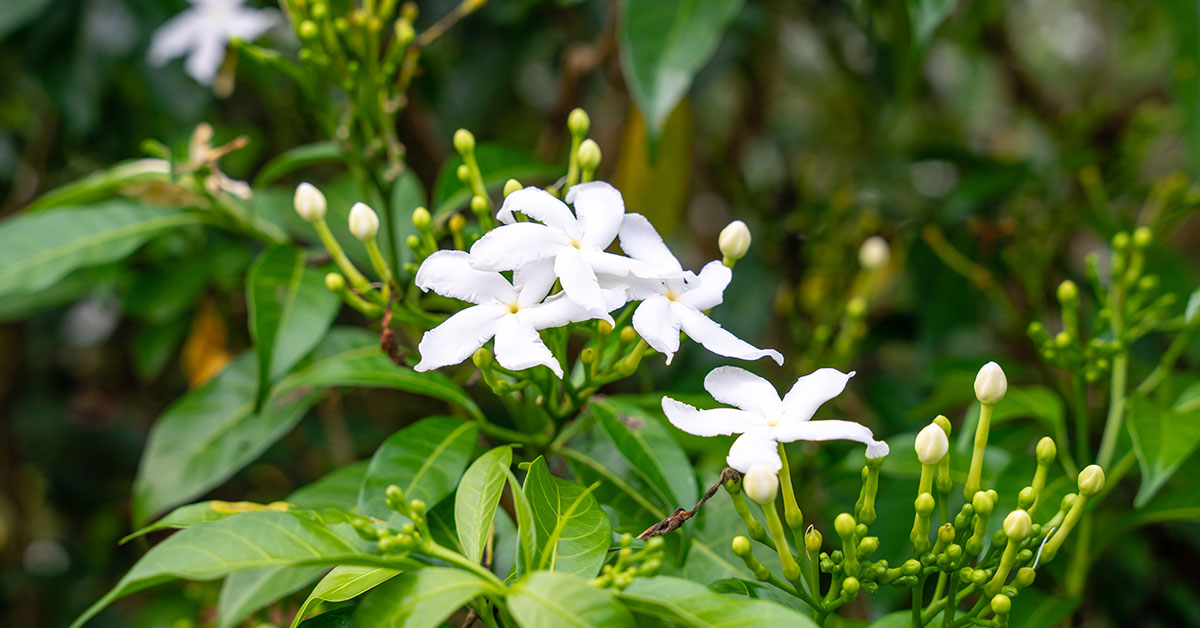

Star Jasmine is a captivating and fragrant plant that has become a popular choice for gardens and landscapes around the world. With its delicate, star-shaped white flowers and glossy, dark green leaves, this evergreen vine adds a touch of elegance and charm to any outdoor space.
Not only does Star Jasmine offer a visually appealing aesthetic, but it also emits a sweet and intoxicating scent that can instantly transport you to a serene and tranquil oasis.
What is a Star Jasmine?
Star Jasmine is a versatile plant that can be grown in a variety of settings, including gardens, patios, and even indoor spaces. It is a woody vine that can climb walls, fences, and trellises, reaching heights of up to 15 to 20 feet. The glossy, dark green leaves of Star Jasmine offer an attractive backdrop to the stunning white flowers, which appear in clusters from late spring to early summer. The flowers emit a sweet fragrance that is often compared to the aroma of true jasmine, hence the common name “Star Jasmine.”
Star Jasmine is known for its vigorous growth and ability to cover large areas quickly. It prefers full sun to partial shade and well-drained soil. This plant is hardy in USDA zones 8-11, making it suitable for a wide range of climates. While it can tolerate some drought conditions, regular watering during the growing season is recommended for optimal growth and flowering. Pruning is essential to keep the plant in control and maintain its desired shape.
Star Jasmine has a range of uses, making it a popular choice among gardeners and horticulture enthusiasts. Its vining habit and fragrant flowers make it a perfect choice for creating vertical interest on walls, trellises, or pergolas. The dense foliage can also be used to create privacy screens or cover unsightly areas in the garden. Additionally, Star Jasmine can be trained into a beautiful groundcover, perfect for filling in large areas or slopes.
Beyond its aesthetic appeal, Star Jasmine is also valued for its medicinal properties. Traditional Chinese medicine has long recognized the healing properties of this plant, using it to treat various ailments such as coughs, skin disorders, and digestive issues. However, it’s important to note that consulting with a healthcare professional is essential before using any plant for medicinal purposes.
How to propagate
Star jasmine (Trachelospermum jasminoides) is a popular vine known for its beautiful star-shaped flowers and sweet fragrance. It can be propagated through various methods, including stem cuttings, layering, and division. Here’s a step-by-step guide on propagating star jasmine using stem cuttings:
- Select a healthy parent plant: Choose a healthy star jasmine plant with vigorous growth and no signs of diseases or pests. Ideally, select a non-flowering stem for the cutting.
- Prepare the tools and materials: Gather a sharp pair of pruning shears or scissors, a clean container filled with a well-draining rooting medium (such as a mix of perlite and peat moss), and a rooting hormone powder (optional).
- Take the stem cuttings: Select a stem that is semi-hard, neither too soft nor too woody. Cut a 4-6 inch (10-15 cm) long cutting just below a leaf node, using a slanted cut. Remove any lower leaves, leaving a few leaves at the tip.
- Apply rooting hormone (Optional): Dip the cut end of the stem into a rooting hormone powder, tapping off any excess. Your Star Jasmine will probably root without it, but the rooting hormone does help.
- Plant the cuttings: Make a small hole in the rooting medium in the container and insert the cutting into the hole, ensuring that at least one or two leaf nodes are buried in the medium. Gently press the medium around the cutting to hold it in place.
- Provide the right conditions: Place the container in a warm and bright location with indirect sunlight. Avoid direct sunlight, as it can scorch the cuttings. Maintain a warm and humid environment by covering the container with a plastic bag or using a propagator.
- Watering and misting: Keep the rooting medium consistently moist but not overly saturated. Water the cuttings whenever the top inch (2.5 cm) of the medium feels dry. Mist the leaves regularly to maintain humidity.
- Monitor and care for the cuttings: Check the cuttings regularly for signs of root development, which may take several weeks to a couple of months. Once roots have formed and the cutting has established itself, you can transplant it into a larger container or into the ground.
- Transplanting: When the rooted cutting has developed a sufficient root system, gently remove it from the container and transplant it into a well-prepared planting hole in a suitable location in the garden. Ensure the soil is well-draining, and water thoroughly after transplanting.
Propagation success rates can vary, so it’s advisable to take multiple cuttings to increase your chances of success. Additionally, be patient, as rooting and growth can take some time. With proper care and attention, you can enjoy the beauty and fragrance of newly propagated star jasmine plants in your garden.
Where is Star Jasmine native?
Originating from East Asia, Star Jasmine (Trachelospermum jasminoides) is widely found in countries such as China, Japan, Korea, and Vietnam. In these regions, it is commonly seen growing along woodlands, forest edges, and rocky slopes. The plant’s ability to adapt to various soil conditions and climates has contributed to its success in these areas.
When it comes to the United States, Star Jasmine is not considered native to any state. However, it is important to note that it can thrive in several regions of the country, particularly those with mild to warm climates. The plant is well-suited for USDA hardiness zones 8 to 11, which includes states such as California, Florida, Texas, and parts of the Southeast.
In states like California, where the climate is Mediterranean, Star Jasmine can be found growing abundantly. Its vigorous growth and ability to withstand drought conditions make it an ideal choice for gardens in this region. Similarly, in the warm and humid climate of Florida, it can be spotted adorning fences, pergolas, and trellises.
While this plant may not be native to the United States, it has certainly found a welcoming home in various states across the country. Its versatility, attractive blooms, and intoxicating fragrance make it a popular choice for gardeners and landscapers alike. Whether you reside in a suitable climate or choose to grow it as a potted plant indoors, Star Jasmine can add a touch of elegance and beauty to any space.
How to grow this plant in your garden
Selecting the right location is crucial for its success. This beautiful vine thrives in full sun to partial shade, so it’s important to find a spot in your garden that meets these requirements. Look for an area with well-drained soil, as Star Jasmine prefers slightly acidic to neutral soil pH. Once you have identified the perfect location, it’s time to move on to the next step – preparing the soil.
Preparing the Soil: Before planting Star Jasmine, it’s essential to prepare the soil to ensure optimal growth. Start by removing any weeds or unwanted vegetation from the area. Loosen the soil using a garden fork or tiller, breaking up any large clumps and removing rocks or debris. Consider amending the soil with organic matter, such as compost or well-rotted manure, to improve its fertility and drainage. This will provide a nutrient-rich environment for your Star Jasmine to thrive in.
Planting Star Jasmine: Now that you have chosen the ideal location and prepared the soil, it’s time to plant your Star Jasmine. Begin by digging a hole that is slightly larger and deeper than the root ball of your plant. Carefully remove the plant from its container, gently loosening the roots if necessary. Place the plant in the hole, making sure it is centered and at the same depth as it was in the container. Backfill the hole with soil, firming it gently around the base of the plant. Water thoroughly to help settle the soil and eliminate any air pockets.
Providing Proper Care: To ensure your plant thrives, it’s important to provide it with the proper care. Water the plant regularly, especially during dry periods, to keep the soil evenly moist but not waterlogged. Mulching around the base of the plant can help retain moisture and suppress weed growth. Prune your Star Jasmine after it has finished blooming to maintain its shape and encourage healthy growth. Fertilize with a balanced, slow-release fertilizer in the spring to promote vigorous flowering.
Dealing with Common Issues: While Star Jasmine is generally a resilient plant, it may encounter some common issues that require attention. Keep an eye out for pests such as aphids or mealybugs, which can be controlled with insecticidal soap or neem oil. Powdery mildew, a fungal disease, can also affect Star Jasmine in humid conditions. To prevent this, ensure proper air circulation around the plant and avoid overhead watering. If powdery mildew appears, treat it with a fungicide specifically designed for this issue.
Pruning
Pruning star jasmine (Trachelospermum jasminoides) is important to maintain its shape, control its size, and promote healthy growth and abundant flowering. Here’s a guide on how to prune star jasmine:
- Timing: The best time to prune star jasmine is in late winter or early spring, just before new growth begins. Pruning during this time allows the plant to recover and produce new growth in preparation for the blooming season.
- Remove dead or damaged wood: Start by inspecting the plant for any dead, diseased, or damaged wood. Using sharp and clean pruning shears, make clean cuts just above a healthy bud or branch junction to remove the unwanted wood. This helps improve the plant’s overall health and appearance.
- Shape the plant: Star jasmine can be pruned to maintain a desired shape or size. Decide on the desired form, whether it’s a compact bush, a tidy hedge, or a climbing vine. Trim and shape the plant accordingly, removing any excessive growth that deviates from the desired shape.
- Thin out crowded growth: Star jasmine can become dense and overgrown over time. To improve air circulation and reduce the risk of disease, selectively thin out crowded areas. Remove inward-growing branches, crossing branches, or any growth that appears weak or unhealthy.
- Prune for rejuvenation: If your star jasmine becomes leggy or loses its vigor, more drastic pruning may be necessary for rejuvenation. In severe cases, you can prune the plant back to about 1 foot (30 cm) above the ground. This stimulates new growth and helps revitalize the plant. However, note that this method may sacrifice the blooming season for that year.
- Prune after flowering (optional): If you want to maintain the flowering period, you can also choose to prune star jasmine immediately after it finishes blooming. This method allows you to shape the plant while minimizing the impact on the following year’s bloom.
- Clean up and disposal: After pruning, remove all the trimmings and debris from around the plant. Properly dispose of the pruned branches and leaves to prevent the spread of diseases or pests.
Remember, star jasmine can tolerate pruning quite well, but avoid excessive pruning that removes too much foliage at once, as it may affect the plant’s ability to recover and regrow. Regular pruning, done with care and consideration, will help keep your star jasmine healthy, neat, and vibrant for years to come.
Interesting facts about Star Jasmine
Star Jasmine, scientifically known as Trachelospermum jasminoides, is a popular plant known for its beautiful and fragrant white flowers. These interesting facts about Star Jasmine can also enlighten you about a few things that you may not be aware of.
- Origins and Distribution:
Star Jasmine is native to East Asia, specifically China and Japan. However, it has gained popularity worldwide and is now cultivated in many regions with mild climates. It is commonly found in gardens, parks, and as a decorative plant in pots or hanging baskets. - Fragrance:
One of the most notable features of Star Jasmine is its enchanting fragrance. The flowers emit a sweet and captivating scent that intensifies during the evening. This characteristic aroma makes it a popular choice for gardens and outdoor spaces, where the scent can fill the air. - Evergreen Climber:
Star Jasmine is a vigorous evergreen climber that can reach heights of up to 20 feet (6 meters). It produces long, twining stems that can be trained to grow on trellises, fences, or walls. It’s also suitable for covering unsightly structures or creating privacy screens. - Ornamental Value:
Aside from its delightful fragrance, Star Jasmine is prized for its ornamental value. The plant features glossy, dark green leaves that provide an attractive backdrop to its clusters of star-shaped flowers. The flowers themselves are pure white and bloom in abundance during the spring and summer months. - Versatility:
Star Jasmine is a versatile plant that can adapt to various growing conditions. It thrives in full sun to partial shade, making it suitable for both sunny and shady areas of the garden. It also tolerates a wide range of soil types, as long as it is well-draining. - Low Maintenance:
If you’re looking for a low-maintenance plant, Star Jasmine fits the bill. It is relatively pest and disease resistant, making it a hassle-free choice for gardeners. However, regular pruning is recommended to keep its growth in check and maintain its desired shape. - Medicinal Uses:
In traditional Chinese medicine, various parts of Star Jasmine, including its flowers and leaves, are used for their medicinal properties. They are believed to have anti-inflammatory and antiviral effects and are often used to treat conditions such as rheumatism and skin irritations.
Star Jasmine is not only a beautiful and fragrant plant but also a versatile and low-maintenance addition to any garden. Its stunning flowers, delightful fragrance, and adaptability make it a favorite among gardeners worldwide. Whether you’re looking to create a fragrant retreat or add a touch of elegance to your outdoor space, Star Jasmine is a fantastic choice.