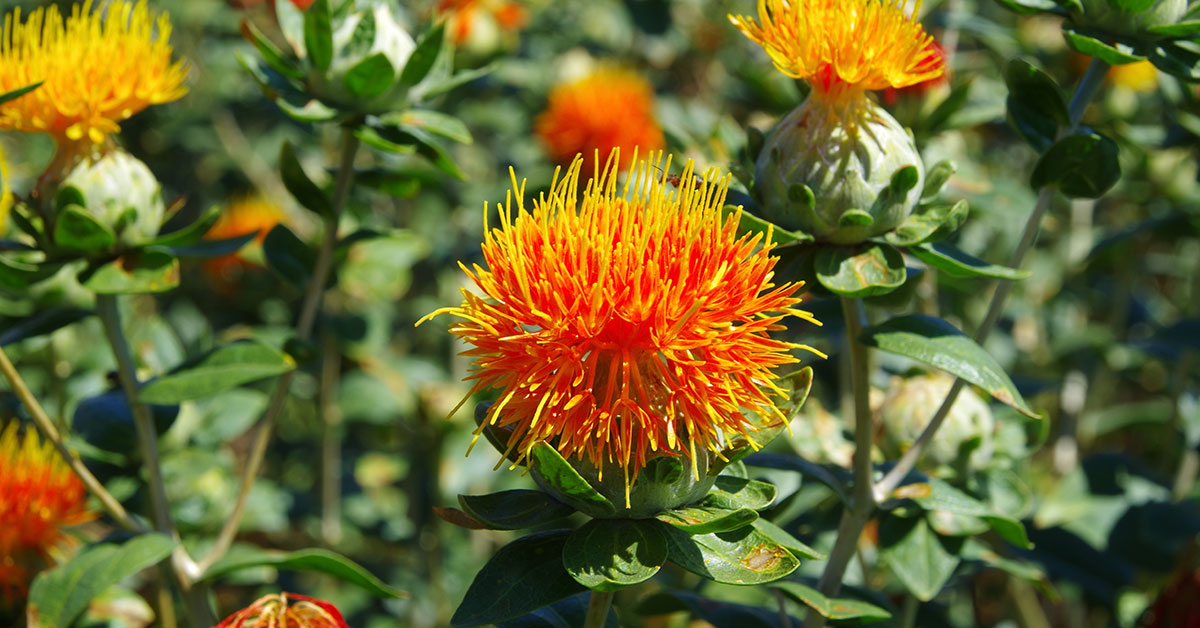

Safflower (Carthamus tinctorius) is an extraordinary plant that has captivated civilizations throughout history. Revered for its vibrant, golden flowers and prized for its versatile applications, safflower has emerged as a valuable crop in both agriculture and horticulture.
Whether you’re an aspiring gardener or a seasoned farmer, delving into the world of safflower cultivation can be a rewarding and enlightening experience.
In this comprehensive guide, we will explore the art of growing safflower, from selecting the right cultivar to nurturing it through each growth stage and ultimately reaping the bountiful rewards. We will uncover the secrets behind this fascinating plant’s adaptability, its role in both culinary and non-food industries, and the essential steps for successfully cultivating safflower in your own garden or farm.
What is Safflower?
Safflower is a highly versatile and valuable plant that has been cultivated for centuries. Originating from the Eastern Mediterranean region, safflower is now grown in various parts of the world, including Asia, Africa, and North America.
It is an annual plant that belongs to the Asteraceae family, commonly known as the daisy family. It grows up to 3 feet in height and has a slender, branched stem with thorny leaves. The plant produces vibrant yellow, orange, or red flowers, which contain valuable safflower seeds. These seeds are small, elongated, and have a high oil content.
This plant has a rich history dating back thousands of years. It was first cultivated in ancient Egypt and later spread to other parts of the world through trade routes. The plant was highly regarded for its multiple uses, including as a dye, a culinary ingredient, and even for medicinal purposes. Safflower was considered a luxury item during the Middle Ages and was often used to dye textiles and produce vibrant pigments for artwork.
It also has a wide range of applications, making it a valuable crop in many industries. One of the primary uses of safflower is the production of safflower oil, which is extracted from the seeds. This oil is commonly used in cooking, as a substitute for other vegetable oils, and is known for its high content of beneficial fatty acids. Additionally, safflower oil is used in the production of cosmetics, soaps, and paints.
Apart from oil production, safflower is also used in herbal medicine. The dried petals of safflower flowers are often brewed into tea or used as a natural dye. Safflower tea is believed to have various health benefits, including promoting heart health, reducing inflammation, and aiding digestion. Furthermore, safflower petals are used to add color and flavor to various culinary dishes, such as rice, soups, and desserts.
Where is Safflower native?
Safflower is a beautiful and versatile crop that has been cultivated for centuries. Native to certain regions around the globe, safflower has found its way into various industries, such as food, medicine, and cosmetics.
Carthamus tinctorius is believed to have originated in either Egypt or the Mediterranean region. It has a long history of cultivation, dating back more than 4,000 years. The plant thrives in dry, arid climates and is known for its ability to withstand extreme temperatures and poor soil conditions. Over time, safflower has spread to different parts of the world, adapting to various environments and becoming an important crop in many regions.
In the United States, safflower is primarily cultivated in the Great Plains region, spanning from North Dakota down to Texas. The warm and dry climate of this area, coupled with the availability of vast stretches of arable land, makes it an ideal location for safflower cultivation. However, it is important to note that safflower can be successfully grown in other states as well, depending on the specific climate and soil conditions.
States Where Safflower is Cultivated:
- North Dakota: North Dakota is the leading safflower producer in the United States. The state’s dry climate and fertile soil provide optimal conditions for cultivating safflower. The crop is typically grown in the south-central and southwestern regions of the state.
- California: California is another significant safflower-producing state. The Central Valley, with its Mediterranean climate, offers suitable conditions for safflower cultivation. The state’s large agricultural industry and access to water resources make it an ideal location for growing this crop.
- Montana: Montana is known for its vast open spaces and dry climate, making it an excellent location for safflower cultivation. The state’s eastern region, particularly the High Plains, is where safflower farms can be found.
- South Dakota: Similar to North Dakota, South Dakota’s climate and soil conditions make it suitable for safflower cultivation. The crop is primarily grown in the southern part of the state.
- Texas: Texas has a diverse agricultural landscape, with safflower being one of the crops grown in certain regions. The west-central and panhandle areas of the state are known for safflower cultivation due to their arid climate.
How to start from seed
Safflower is a versatile and beautiful flowering plant that can be grown from seed. If you’re interested in adding safflower to your garden, here are some steps to help you get started:
- Choose the right time: Seeds are best sown in spring, after the last frost has passed. Make sure the soil has warmed up sufficiently, as safflower prefers a warmer climate to germinate and grow successfully.
- Select a suitable location: The plants thrive in full sun and well-drained soil. Choose a spot in your garden that receives at least six hours of direct sunlight per day. Prepare the soil by removing any weeds or debris and loosening it with a garden fork or tiller.
- Prepare the seeds: Seeds are relatively large and easy to handle. Before planting, you can soak the seeds in warm water for a few hours to soften the outer shell and encourage germination. This step is optional but can help speed up the process.
- Plant the seeds: Dig small holes in the prepared soil, about 1 inch deep and 6-8 inches apart. Place one seed in each hole and cover it with soil, gently firming it down. Water the area lightly to ensure good soil-to-seed contact.
- Provide optimal growing conditions: These plants require regular watering, especially during dry periods. However, be careful not to overwater, as this can lead to root rot. Additionally, ensure that the soil remains well-drained to prevent waterlogging. Mulching around the plants can help retain moisture and suppress weed growth.
- Monitor and care for the seedlings: Seeds usually germinate within 10-14 days, but it can take longer depending on the temperature and soil conditions. Keep an eye on the seedlings as they emerge, and thin them out if necessary, leaving only the healthiest and strongest plants.
- Prune and fertilize: Once the plants reach a height of about 6 inches, you can pinch off the top growth to encourage bushier growth. This will result in more flowers later on. Additionally, you can apply a balanced fertilizer every 4-6 weeks during the growing season to provide essential nutrients.
- Pest and disease control: Safflower plants are generally resistant to pests and diseases. However, you may still encounter some common issues such as aphids or powdery mildew. Regularly inspect your plants and take appropriate measures if any problems arise, such as using insecticidal soap for aphids or applying a fungicide for mildew.
How to grow this plant in your garden
Safflower is a vibrant and versatile flowering plant that is gaining popularity in gardens due to its multiple uses. This guide provides a detailed step-by-step guide on cultivating this plant in your garden. Covering every aspect from choosing the right growing conditions to harvesting and storing your precious crop.
- Choosing the Right Growing Conditions:
Safflower thrives in warm climates with an average temperature range of 75-85°F (24-29°C). Select a planting location that receives full sun exposure for at least six hours a day. The plant also requires well-drained soil, with a pH level between 6.0 and 7.5. - Preparing the Soil:
Prior to planting, ensure the soil is well-drained and free from debris. Remove any weeds or rocks and loosen the soil to a depth of 6-8 inches (15-20 cm). Incorporate compost or aged manure to enhance fertility, as safflower prefers moderately fertile soil. - Sowing Seeds:
Seeds can be direct sown outdoors after the danger of frost has passed. Plant the seeds about 1 inch (2.5 cm) deep and space them approximately 6-12 inches (15-30 cm) apart, leaving 2-3 feet (60-90 cm) between rows. Water the soil lightly after sowing to aid germination. - Watering and Care:
Watering is crucial during the early growth stages to support proper establishment and root development. Initially, keep the soil consistently moist but not waterlogged. Once the plants are established, safflower is moderately drought-tolerant and requires less frequent watering. Monitor soil moisture and irrigate when the top inch (2.5 cm) of soil feels dry. - Pest and Disease Management:
Safflower is relatively pest-resistant, but some potential threats include aphids, caterpillars, and slugs. Apply organic pest control methods such as neem oil or insecticidal soap to combat these pests. Watch for disease symptoms like powdery mildew or root rot and promptly address them by removing affected plants and applying appropriate fungicides or adjusting watering habits accordingly. - Harvesting and Storing:
The flowers start blooming around 90-110 days after sowing. You can harvest the petals when they are fully open and exhibit a vibrant color. Remove the petals and allow them to dry in a well-ventilated area to extract safflower dye. Alternatively, you can harvest the seeds by cutting the flower heads when they turn brown and hanging them in a dry and dark place to completely dry. Thresh the dried flower heads and separate the seeds by hand. Store the seeds in an airtight container in a cool, dry place for future use.
Interesting facts about Safflower
While it may not be as well-known as other plants, safflower boasts a rich history and a range of interesting facts that make it worth exploring. Here are some fascinating facts about safflower that you may not be aware of.
- Ancient Origins:
Safflower has been around for thousands of years and is believed to have originated in either Egypt or the Fertile Crescent region of the Middle East. The plant was highly valued by ancient civilizations, including the Egyptians, Greeks, and Persians, who used it for its medicinal and cosmetic properties. - Versatile Uses:
One of the most intriguing aspects of safflower is its versatility. The plant is primarily cultivated for its seeds, which are rich in oil. Safflower oil is commonly used in cooking, as a substitute for other vegetable oils, and in the production of margarine and salad dressings. Additionally, safflower petals are used to produce a natural dye, known as safflower yellow, which is used in the textile industry. - Health Benefits:
Safflower oil is not only used in cooking but also offers several health benefits. It is low in saturated fats and rich in unsaturated fats, particularly linoleic acid, which is an essential fatty acid that the body cannot produce on its own. Linoleic acid is known to help reduce inflammation, improve heart health, and support a healthy immune system. - Traditional Medicine:
This plant has a long history of use in traditional medicine. In Chinese traditional medicine, it is believed to have properties that promote blood circulation, relieve pain, and reduce inflammation. Safflower oil is also used topically to soothe skin conditions such as eczema and psoriasis. - Role in Agriculture:
Apart from its culinary and medicinal uses, safflower plays a significant role in agriculture. It is often grown as a rotation crop to help break up soil compaction, suppress weeds, and improve soil fertility. Safflower plants have deep roots that help to loosen and aerate the soil, making it more suitable for other crops. - Environmentally Friendly Crop:
It is considered an environmentally friendly crop due to its low water requirements. It is a drought-tolerant plant that can thrive in arid regions, making it a sustainable choice for farmers in water-scarce areas. Additionally, safflower is known to attract beneficial insects, such as bees and butterflies, making it a valuable asset to pollinator populations.
It is a remarkable plant with a rich history and a range of interesting facts. From its ancient origins and versatile uses to its health benefits and role in agriculture, safflower has much to offer. Whether you’re intrigued by its culinary potential, interested in its medicinal properties, or fascinated by its environmental benefits, safflower is undoubtedly a plant worth exploring further.