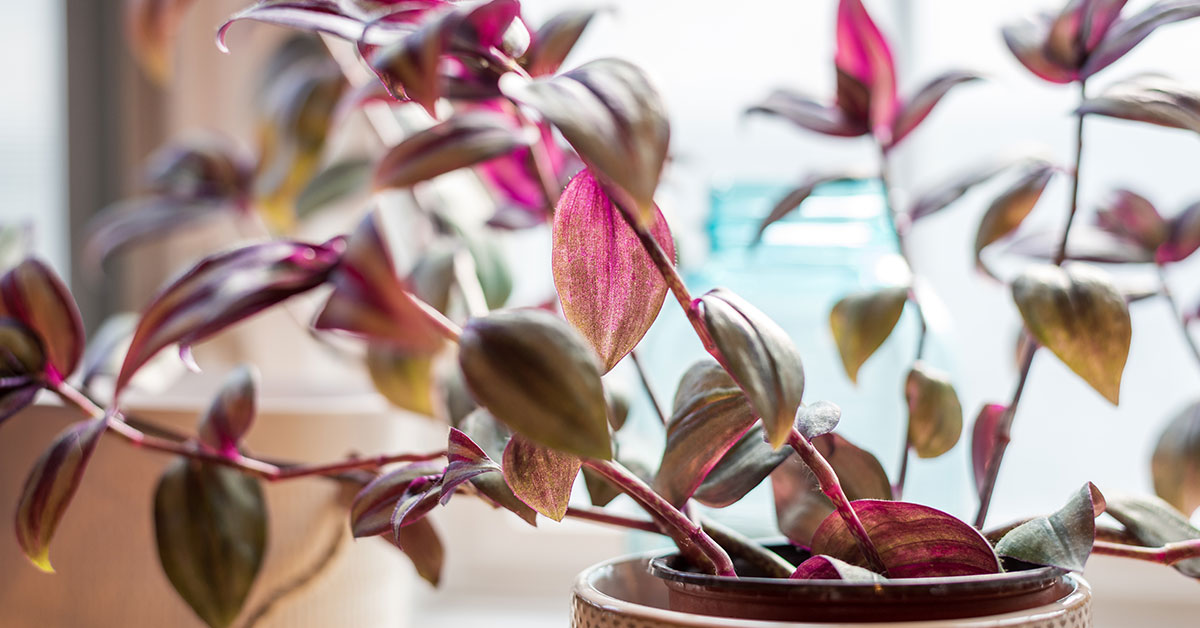

If you’ve noticed your Wandering Jew is dying or showing signs of distress, it’s important to identify the potential causes to effectively address the issue. This article aims to shed light on why your beloved Wandering Jew might be experiencing a decline and provide practical insights to help you revive it.
From improper watering practices and inadequate lighting to pest infestations and nutrient deficiencies, we’ll explore the various factors that could be contributing to your plant’s deteriorating health.
By understanding these potential causes and implementing the appropriate solutions, you’ll be equipped to save your Wandering Jew from further decline and restore it to a thriving state. So let’s dive into the possible reasons why your Wandering Jew is struggling and discover the steps you can take to bring it back to life.
Signs your Wandering Jew is dying
There are several signs that can indicate your Wandering Jew is dying or ill. Here are some common signs to look out for:
- Wilting: If the leaves of your Wandering Jew plant appear limp, droopy, or withered, it could be a sign of underwatering or overwatering. Check the soil moisture level and adjust your watering accordingly.
- Yellowing Leaves: Yellowing foliage may indicate various issues. It can be a result of overwatering, root rot, inadequate light, nutrient deficiencies, or pests. Assess the growing conditions and address the underlying cause.
- Browning Leaves: Browning and crispy leaves can indicate underwatering or exposure to direct sunlight. Ensure your plant is receiving adequate water and protect it from harsh sunlight.
- Leaf Loss: Excessive leaf drop or shedding is a distress signal. It can be triggered by changes in environmental conditions, insufficient light, overwatering, or pests. Identify the cause and take appropriate measures to rectify the issue.
- Stunted Growth: If your Wandering Jew plant’s growth has slowed down significantly or there is no new growth for an extended period, it could be a sign of unfavorable growing conditions, inadequate light, or nutrient deficiencies.
- Pest Infestation: Noticeable presence of pests such as spider mites, mealybugs, or aphids can weaken the plant and cause it to decline. Inspect the leaves and stems regularly, and take prompt action to eliminate pests if detected.
- Root Problems: If you notice a foul odor coming from the soil, root rot, or mushy and discolored roots when you inspect the plant’s root system, it indicates root problems. Overwatering, poor drainage, or fungal infections can contribute to root issues.
If you observe any of these signs, it’s important to assess the care and growing conditions of your plant, as it’s likely your Wandering Jew is dying or ill. Adjust watering, lighting, and environmental factors accordingly. In some cases, providing appropriate care can help revive a struggling plant. However, if the signs persist or the plant continues to deteriorate, it may be difficult to save and it might be necessary to consider replacing it.
Reasons why your Wandering Jew is dying and how to fix it
In this section, we will explore common reasons why your Wandering Jew plant (Tradescantia genus) may be experiencing distress or on the verge of dying. Understanding these issues can help you identify the root causes and take appropriate steps to revive your plant.
Wilting
Wilting in a Wandering Jew plant (Tradescantia genus) can be caused by various factors, and identifying the underlying issue is crucial in determining the appropriate fix. It’s one of the more common signs your Wandering Jew is dying. Here are some common reasons why a Wandering Jew plant may be wilting and potential solutions:
- Underwatering: If the plant is not receiving enough water, it can lead to wilting. Check the moisture level of the soil by inserting your finger into the top inch of soil. If it feels dry, it’s time to water. Ensure thorough watering, allowing water to reach the root zone. Adjust your watering schedule to keep the soil slightly moist but not waterlogged.
- Overwatering: Conversely, overwatering can also cause wilting. Excessive moisture can lead to root rot, suffocating the roots and preventing them from taking up water properly. Allow the soil to dry out slightly before watering again. Ensure the pot has drainage holes to allow excess water to escape.
- Temperature Extremes: Wandering Jew plants prefer moderate temperatures between 65-80°F (18-27°C). Extreme temperatures, such as excessive heat or cold drafts, can stress the plant and cause wilting. Move the plant to a more suitable location with stable temperatures and protect it from drafts or direct exposure to heaters or air conditioning units.
- Light Intensity: Insufficient or excessive light can lead to wilting. Wandering Jew plants thrive in bright, indirect light. If the plant is placed in low-light conditions, it may not receive enough energy for healthy growth. Move the plant to a location with brighter, filtered light. However, be cautious of too much direct sunlight, which can scorch the leaves. Adjust the light exposure to find the optimal balance.
- Nutrient Deficiencies: Lack of essential nutrients can affect a plant’s overall health and cause wilting. Ensure your Wandering Jew plant receives adequate nutrition. Use a balanced, water-soluble fertilizer specifically formulated for houseplants and follow the instructions for application. Be mindful not to overfertilize, as this can lead to fertilizer burn or other issues.
- Pest Infestation: Certain pests, such as spider mites, mealybugs, or aphids, can weaken the plant and cause wilting. Inspect the plant regularly for signs of pests, including webbing, small insects, or sticky residue on leaves. Treat any infestations promptly using appropriate organic or chemical controls, following the recommended guidelines.
- Root Problems: Root issues, such as root rot or inadequate root development, can impact a plant’s ability to absorb water, resulting in wilting. Check the root system for signs of rot, such as foul odor or mushy roots. If root rot is present, take immediate action by addressing the overwatering issue, improving drainage, and trimming away affected roots.
It’s important to assess the specific cause of wilting in your Wandering Jew plant and take appropriate action accordingly. Adjust watering practices, improve lighting conditions, provide proper nutrition, address pest issues, and ensure a healthy root system. By addressing the underlying problem, you can help revive your wilting Wandering Jew plant and restore its vigor.
Yellowing and browning leaves
Yellowing or browning leaves in a Wandering Jew plant (Tradescantia genus) can indicate various issues. It’s another very common indication that your Wandering Jew is dying. Understanding the potential causes and taking appropriate action can help address the problem. Here are common reasons for yellowing or browning leaves and potential fixes:
- Watering Issues: Both overwatering and underwatering can lead to leaf discoloration. Overwatering can cause root rot, suffocating the roots and inhibiting their ability to absorb nutrients. Underwatering can result in dryness and nutrient deficiencies. Adjust your watering routine to maintain slightly moist soil, allowing the top inch to dry out before watering again.
- Light Intensity: Insufficient or excessive light can cause yellowing or browning leaves. If the plant receives inadequate light, it may struggle to produce energy and essential pigments. Move the plant to a location with bright, indirect light. However, excessive exposure to direct sunlight can scorch the leaves. Adjust the light exposure to find the right balance.
- Temperature Extremes: Extreme temperatures, such as cold drafts or heat stress, can cause leaf damage. Wandering Jew plants prefer moderate temperatures between 65-80°F (18-27°C). Protect the plant from cold drafts and ensure it is not placed near heaters or air conditioning units that generate excessive heat.
- Nutrient Deficiencies: Lack of essential nutrients can manifest as yellowing leaves. Ensure your Wandering Jew plant receives balanced nutrition. Use a water-soluble fertilizer formulated for houseplants, following the recommended application instructions. This can help address any nutrient deficiencies.
- Pest Infestation: Pests like spider mites, mealybugs, or aphids can cause yellowing or browning leaves. Inspect the plant regularly for signs of pests, such as tiny insects, webbing, or sticky residue on leaves. Treat any infestations promptly using appropriate organic or chemical controls.
- Environmental Stress: Environmental stressors, such as excessive heat, low humidity, or sudden changes in conditions, can impact leaf health. Ensure a stable environment with appropriate temperature, humidity, and airflow to minimize stress on the plant.
- Aging or Natural Leaf Shedding: It’s natural for older leaves to turn yellow or brown and eventually fall off. Monitor the plant to differentiate between natural leaf shedding and abnormal leaf discoloration. Prune away any excessively yellow or brown leaves to promote new growth.
When addressing leaf discoloration, it’s essential to identify the specific cause and tailor the solution accordingly. Adjust watering practices, improve lighting conditions, provide proper nutrition, address pest issues, and create a favorable environment. With consistent care and attention, your Wandering Jew plant can recover and display healthy, vibrant foliage once again.
Leaf loss
Leaf loss in a Wandering Jew plant can occur due to various factors. Understanding the potential causes and taking appropriate action can help address the issue. Here are common reasons for leaf loss and potential fixes:
- Natural Shedding: It’s normal for Wandering Jew plants to shed older leaves as part of their natural growth cycle. As new growth emerges, older leaves may yellow, wither, and drop off. This process is generally not a cause for concern unless it is accompanied by other signs of distress.
- Watering Issues: Overwatering or underwatering can contribute to leaf loss. Overwatering can lead to root rot, causing the plant to shed leaves as it struggles to take up water and nutrients. Underwatering can result in dryness and leaf damage. Ensure proper watering by allowing the top inch of soil to dry out before watering again. Maintain a consistent watering schedule without overwatering.
- Lighting Conditions: Insufficient or excessive light can cause leaf loss. Inadequate light can lead to weak growth and leaf drop. Ensure your plant receives bright, indirect light for several hours a day. Excessive direct sunlight can scorch the leaves, leading to leaf loss. Adjust the lighting conditions to find the optimal balance.
- Temperature Extremes: Extreme temperatures, such as cold drafts or heat stress, can cause leaf loss. Wandering Jew plants prefer moderate temperatures between 65-80°F (18-27°C). Protect the plant from cold drafts and ensure it is not placed near heaters or air conditioning units that generate excessive heat.
- Nutrient Deficiencies: Inadequate nutrition can contribute to leaf loss. Ensure your Wandering Jew plant receives balanced nutrition by using a water-soluble fertilizer formulated for houseplants. Follow the recommended application instructions to provide essential nutrients.
- Pest Infestation: Pests such as spider mites, mealybugs, or aphids can weaken the plant and cause leaf loss. Inspect the plant regularly for signs of pests, such as tiny insects, webbing, or sticky residue on leaves. Treat any infestations promptly using appropriate organic or chemical controls.
- Environmental Stress: Environmental stressors, including low humidity, sudden changes in conditions, or air circulation issues, can lead to leaf loss. Maintain stable environmental conditions with adequate humidity and airflow. Avoid exposing the plant to drastic temperature fluctuations or drafts.
By identifying the specific cause of leaf loss in your Wandering Jew plant, you can take the necessary steps to address the issue. Adjust watering practices, improve lighting conditions, provide proper nutrition, address pest issues, and create a favorable environment. With consistent care and attention, you can help minimize leaf loss and promote healthy growth in your Wandering Jew plant.
Stunted growth
Stunted growth in a Wandering Jew plant (Tradescantia genus) can be attributed to various factors. Understanding these causes and taking appropriate action can help address the issue. Here are common reasons for stunted growth and potential fixes:
- Inadequate Lighting: Insufficient light can result in stunted growth. Wandering Jew plants require bright, indirect light for several hours a day to thrive. If the plant is placed in a low-light area, consider moving it to a spot with brighter, filtered sunlight. Supplemental artificial lighting can also be used to provide the necessary light intensity.
- Temperature Extremes: Extreme temperatures, such as cold drafts or heat stress, can negatively impact growth. Wandering Jew plants prefer moderate temperatures between 65-80°F (18-27°C). Protect the plant from cold drafts and ensure it is not exposed to direct airflow from heaters or air conditioning units that can cause temperature fluctuations. Maintain stable and comfortable temperature conditions for optimal growth.
- Nutrient Deficiencies: Insufficient nutrients can lead to stunted growth. Ensure your Wandering Jew plant is receiving proper nutrition by using a balanced, water-soluble fertilizer formulated for houseplants. Follow the recommended application instructions to provide essential nutrients. Additionally, consider repotting the plant if it has been in the same soil for an extended period, as fresh soil can provide additional nutrients.
- Root Bound: When the plant’s roots become overcrowded in a small pot, it can restrict growth. Check the roots by gently removing the plant from its pot. If the roots are densely circling around the root ball, it may be time to repot the plant into a slightly larger container with fresh soil. This allows the roots to spread and encourages new growth.
- Watering Issues: Inconsistent or improper watering practices can hinder growth. Overwatering can lead to root rot, while underwatering can cause dehydration and stunted growth. Maintain a regular watering schedule, allowing the top inch of soil to dry out before watering again. Ensure proper drainage and avoid waterlogging the soil.
- Pests or Diseases: Infestations by pests or diseases can weaken the plant, resulting in stunted growth. Inspect the plant regularly for signs of pests, such as spider mites, mealybugs, or aphids. Treat any infestations promptly using appropriate organic or chemical controls.
- Environmental Factors: Environmental conditions, such as low humidity or poor air circulation, can affect growth. Provide adequate humidity by misting the plant’s leaves or using a humidifier nearby. Ensure proper air circulation to prevent stagnant conditions that can hinder growth.
By addressing these potential causes, you can promote healthier growth in your Wandering Jew plant. Evaluate the lighting, temperature, watering, nutrient levels, and overall plant health. Make adjustments as necessary to create optimal conditions for the plant’s growth. With time and proper care, you can help your Wandering Jew plant overcome stunted growth and thrive.
Root rot
Wandering Jew plants (Tradescantia genus) can be susceptible to root rot, a fungal disease that affects the roots and can lead to plant decline or death. If root rot is why your Wandering Jew is dying, you’ll need to act fast.
Root rot occurs when the roots are consistently exposed to excess moisture, causing them to become waterlogged and leading to the growth of harmful fungi. Here’s an explanation of why a Wandering Jew plant may develop root rot, along with steps to fix it:
Overwatering: The most common cause of root rot is overwatering. When the plant is consistently watered excessively or sits in waterlogged soil, the roots become deprived of oxygen. This creates a favorable environment for fungal growth, leading to root rot.To fix root rot:
- Stop overwatering: Allow the soil to dry out between waterings. Only water the plant when the top inch of soil feels dry to the touch.
- Improve drainage: Ensure the pot has drainage holes to allow excess water to escape. If the plant is in a container without drainage, consider repotting it into a container with proper drainage.
Poor Drainage: Inadequate drainage exacerbates the risk of root rot. If the soil doesn’t drain well, excess water can accumulate around the roots, promoting fungal growth. To fix poor drainage:
- Adjust the soil: Use a well-draining potting mix specifically designed for houseplants. Adding perlite or coarse sand to the mix can improve drainage.
- Repot the plant: If the current soil is heavy and retains too much moisture, consider repotting the plant into fresh, well-draining soil.
Compact or Damaged Roots: Root damage or compacted roots can make the plant more susceptible to root rot. This can occur if the plant is root-bound or if the roots have been disturbed during repotting or other handling. To fix compact or damaged roots:
- Repot the plant: If the roots are tightly packed or damaged, gently loosen them during repotting to encourage healthy growth and prevent further complications.
- Trim affected roots: If you notice any blackened, mushy, or foul-smelling roots, carefully trim them with sterilized pruning shears.
Proper Watering Technique: It’s important to water the plant correctly to minimize the risk of root rot.To establish proper watering technique:
- Water at the base: Directly water the soil around the base of the plant, avoiding the leaves and stems. This helps prevent excess moisture on the foliage and minimizes the risk of fungal infections.
- Monitor moisture levels: Use your finger to check the moisture level of the soil. Water only when the top inch of soil feels dry.
By addressing the root causes of root rot and implementing appropriate corrective measures, such as adjusting watering practices, improving drainage, and ensuring healthy root conditions, you can help save your Wandering Jew plant from root rot and promote its recovery.