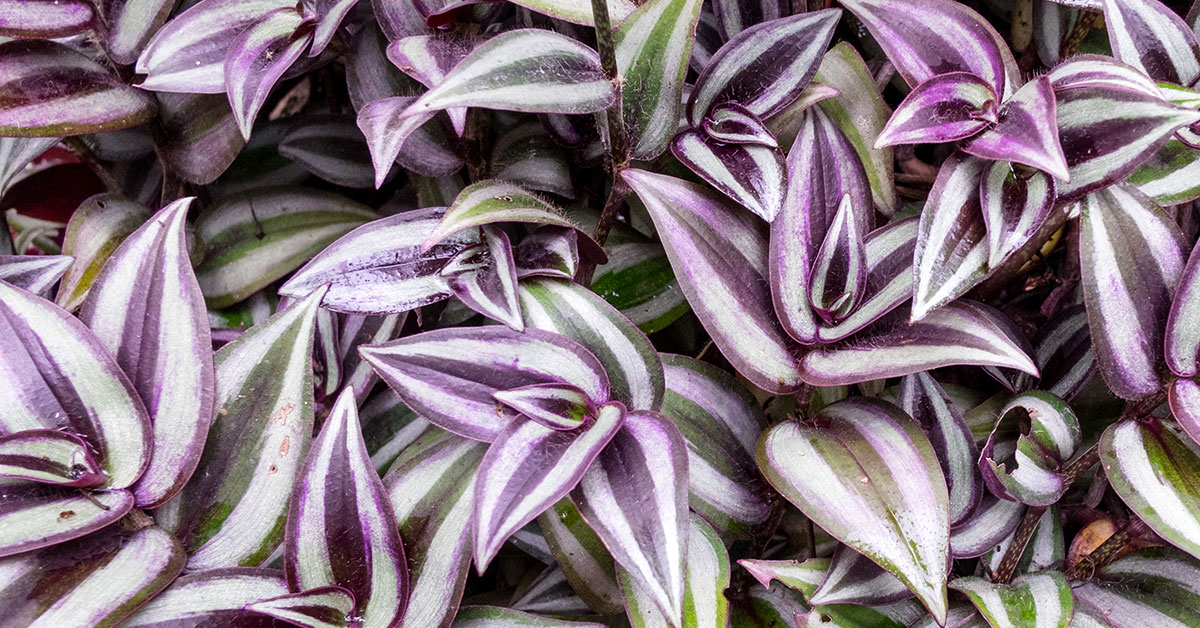

Growing Wandering Jew plants (Tradescantia genus) is a popular choice for plant enthusiasts due to their vibrant foliage and easy care requirements. These trailing houseplants are known for their lush leaves in various colors and patterns, such as green with silver stripes or purple hues.
With the right conditions, Wandering Jew plants can thrive both indoors and outdoors in warmer climates. They prefer bright, indirect light, well-draining soil, and moderate watering. Regular pruning and propagation can help maintain their bushy and compact appearance.
Whether displayed in hanging baskets or used as ground cover, Wandering Jew plants add a touch of beauty and liveliness to any space.
What is a Wandering Jew?
The Wandering Jew, belonging to the Tradescantia genus, is a group of perennial plants native to the Americas. They are popular as houseplants due to their attractive foliage and easy care requirements. The most commonly known species within this genus are Tradescantia zebrina, Tradescantia pallida, and Tradescantia fluminensis.
Here are some key characteristics of the Wandering Jew plants:
- Appearance: Wandering Jew plants are known for their trailing or creeping growth habit. They typically have long, succulent stems that produce lush, variegated leaves. The leaves are often elongated and pointed, and their colors can vary between species and cultivars. Common colors include green, silver, purple, and burgundy.
- Variegation: Many Wandering Jew varieties have striking variegation patterns on their leaves. For instance, Tradescantia zebrina has green leaves with silver stripes or bands, giving it the common name “zebrina.” Tradescantia pallida, also known as Purple Heart, has purple leaves.
- Growth: These plants are fast-growing and tend to spread out. They produce trailing stems that can grow several feet long. If allowed to, they can root at the nodes where they come in contact with soil, leading to their ability to “wander” and spread.
- Care: Wandering Jew plants are generally low-maintenance. They thrive in bright, indirect light but can tolerate some shade. They prefer well-draining soil and moderate watering. Avoid overwatering to prevent root rot. They can be propagated easily through stem cuttings.
- Indoor/Outdoor Use: Wandering Jew plants are commonly grown as houseplants but can also be cultivated outdoors in warmer climates. They are often used in hanging baskets or as ground cover due to their trailing growth habit.
While Wandering Jew plants are beautiful and easy to grow, it’s important to note that the term “Wandering Jew” has historical associations with anti-Semitism. To be respectful, you may consider referring to these plants by their botanical names or use alternative common names like “Spiderwort” or “Inch Plant” when discussing them.
Why is it called that?
The common name “Wandering Jew” for plants in the Tradescantia genus has its origins in European folklore and religious mythology. The name was given to these plants due to their trailing growth habit and the perception that they spread and “wander” easily.
According to the legend, there was a Jewish man named Ahasuerus who encountered Jesus Christ while he was carrying the cross to his crucifixion. In some variations of the tale, Ahasuerus refused to show compassion to Jesus or assist him, and as a result, he was condemned to roam the Earth forever until the Second Coming of Christ. Over time, this tale became associated with the plant, possibly due to its ability to spread quickly and cover large areas.
The plant has other names that can be used as well, including:
- Spiderwort: This name is commonly used to refer to plants in the Tradescantia genus, particularly Tradescantia virginiana. It likely comes from the spider-like appearance of the flowers, which have delicate, long, and slender petals.
- Inch Plant: This name is often used for Tradescantia zebrina, which has inch-long internodes between its leaves. As the plant grows, it produces trailing stems with leaves spaced approximately one inch apart.
- Purple Heart: This name specifically refers to Tradescantia pallida, which is known for its purple foliage. The leaves of this plant have a heart-shaped appearance, hence the name “Purple Heart.”
Growing & Care Guide
Wandering Jew plants, belonging to the Tradescantia genus, are beautiful and easy-to-care-for houseplants. Follow these guidelines to ensure their optimal growth:
Light: Wandering Jew plants thrive in bright, indirect light. It is best to place them in locations with filtered sunlight rather than direct sunlight, especially during the hottest parts of the day. While they can tolerate some shade, excessive shade may result in leggy growth and less vibrant foliage.
Temperature: These plants prefer average to warm temperatures between 65-80°F (18-27°C). Avoid exposing them to cold drafts or sudden temperature drops, as they are sensitive to low temperatures.
Watering: When it comes to watering Wandering Jew plants, it is important to strike a balance. Water them thoroughly, allowing the top inch (2.5 cm) of soil to dry out before watering again. These plants prefer slightly moist soil, but overwatering can lead to root rot. Ensure that the container has drainage holes to prevent water from pooling. Aim to water your Wandering Jew plant about once per week, but possibly more if you live in a very dry climate.
Humidity: Moderate to high humidity levels are beneficial for Wandering Jew plants. You can increase humidity by misting the leaves regularly or placing a tray filled with water near the plant. This helps create a more favorable environment for their growth.
Soil: Use a well-draining potting mix suitable for houseplants. A combination of peat moss, perlite, and regular potting soil works well. Ensure that the soil allows excess water to drain freely to prevent waterlogged roots.
Fertilizer: Feed your Wandering Jew plant every 2-4 weeks during the growing season (spring to early fall) with a balanced, water-soluble houseplant fertilizer. Dilute the fertilizer to half the recommended strength. Avoid fertilizing during the winter months when the plant’s growth slows down.
Pruning and Maintenance: Regular pruning is important for Wandering Jew plants. It helps encourage bushier growth and prevents legginess. Trim or pinch back the tips of the stems to maintain a compact shape. Remove any yellow, withered, or damaged leaves to maintain the plant’s appearance and overall health.
By following these care guidelines, you can enjoy the beauty of Wandering Jew plants as they thrive and add vibrancy to your indoor space.
How do I make my Wandering Jew plant bushier?
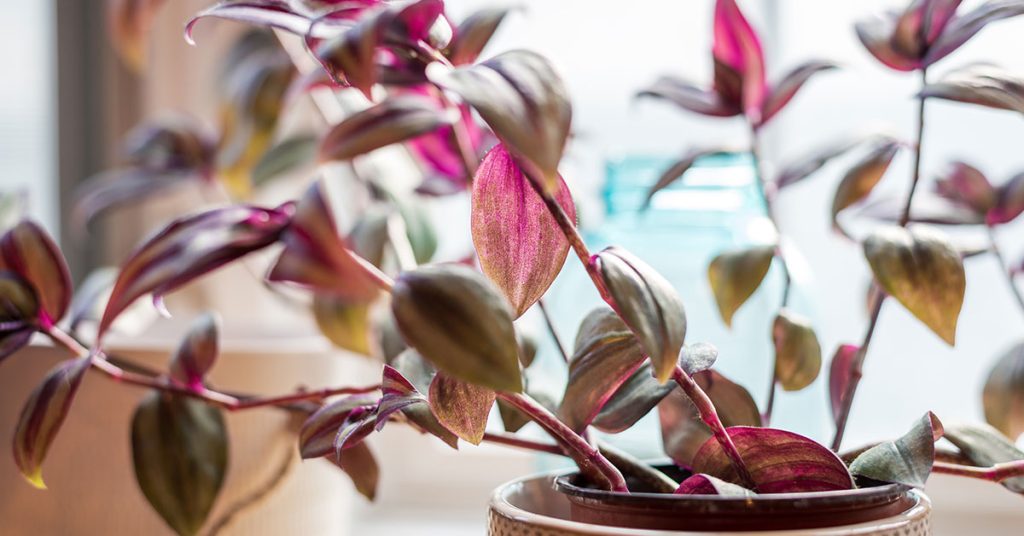
If your plant is looking leggy, lanky, and unhealthy, there are a few things you can do to give it a fuller appearance. To make your Wandering Jew plant bushier, you can follow these tips:
Pruning: Regular pruning is crucial for encouraging bushier growth. Pinching or trimming back the tips of the stems helps stimulate lateral branching, resulting in a fuller plant. Use clean, sharp pruning shears or scissors to make clean cuts just above a leaf node (the point where a leaf attaches to the stem). Prune selectively, focusing on leggy or excessively long stems.
Propagation: Another method to promote bushiness is through propagation. Take stem cuttings from your Wandering Jew plant and root them in water or moist potting soil. When new growth emerges from these cuttings, pinch off the tips to encourage branching and bushier growth. You can repeat this process as desired to create a more compact and fuller plant.
Provide Adequate Light: Wandering Jew plants thrive in bright, indirect light. Ensure that your plant receives sufficient light to promote healthy growth and branching. Place it near a window with filtered sunlight or provide artificial lighting if natural light is limited. Insufficient light can lead to leggy growth, so adjusting the light exposure can help promote bushiness.
Optimal Watering: Proper watering practices are essential for plant health and growth. Avoid overwatering, as excessively wet soil can cause root rot and hinder bushy growth. Allow the top inch (2.5 cm) of soil to dry out between waterings. Adjust your watering frequency according to the environmental conditions and the plant’s needs.
Fertilize Appropriately: Providing your Wandering Jew plant with proper nutrients can support healthy growth and bushiness. During the active growing season (spring to early fall), apply a balanced, water-soluble fertilizer diluted to half the recommended strength every 2-4 weeks. Follow the package instructions for accurate application. Fertilizing too much or too often can lead to excessive foliage growth without increasing bushiness, so it’s important to find the right balance.
By combining these practices—pruning, propagation, providing adequate light, proper watering, and appropriate fertilization—you can encourage your Wandering Jew plant to become bushier over time. Remember to be patient, as it may take some time for noticeable results.
Propagation
Propagating Wandering Jew plants (Tradescantia genus) is relatively simple and can be done through stem cuttings. To propagate, select a healthy stem and cut it just below a leaf node using clean and sharp pruning shears. Remove the lower leaves, leaving a few nodes at the top.
Place the cutting in a container with water or directly in moist potting soil, ensuring the nodes are submerged or buried. Keep the cutting in a warm, well-lit location but protected from direct sunlight. After a few weeks, roots will start to develop, indicating successful propagation.
Once the roots are established, the cutting can be transferred to its own pot with well-draining soil. Regular care and attention will help the propagated Wandering Jew plant flourish and grow into a new vibrant specimen.
Additional Resource: Read Our Full Guide On Propagating Wandering Jew