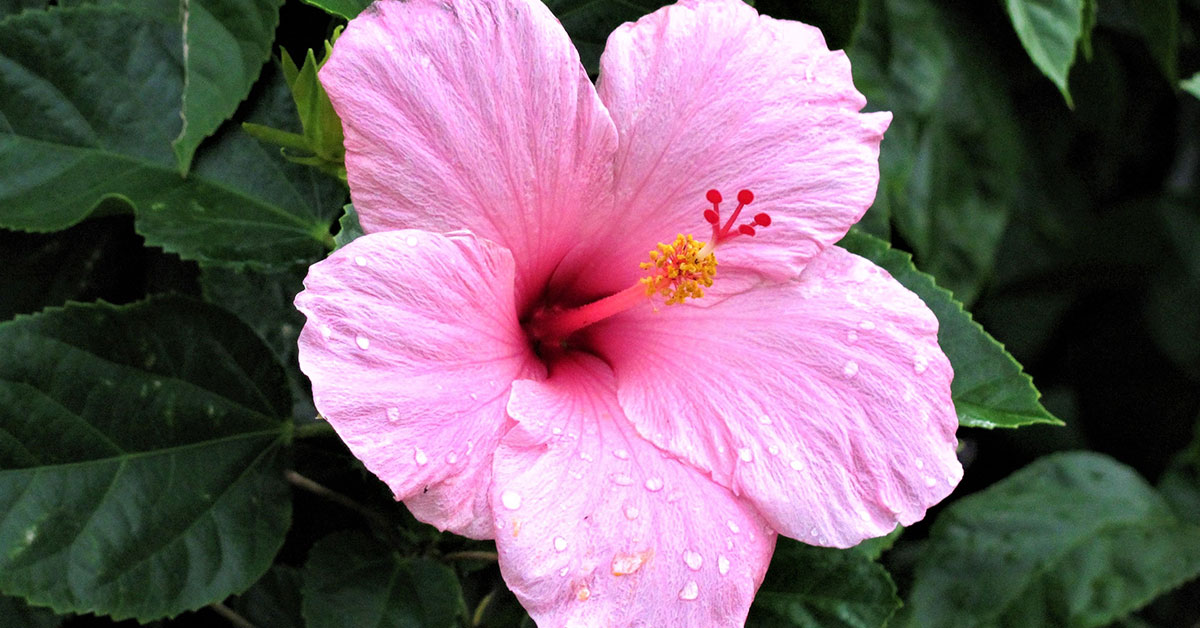

Hibiscus is a stunning and versatile genus of flowering plants that encompasses hundreds of species, each boasting its own unique beauty.
Known for their vibrant and show-stopping blooms, hibiscus plants have captivated gardeners and plant enthusiasts for centuries.
From the tropical regions of Asia to the subtropical areas of the Americas, these plants have thrived in a wide range of climates, making them an excellent addition to any garden or indoor space.
What is a Hibiscus?
Hibiscus, scientifically known as Hibiscus spp., is a genus of flowering plants that belong to the family Malvaceae. There are hundreds of species within the genus, most of which are native to tropical and subtropical regions. Furthermore, these plants are widely recognized for their large, showy flowers, which can range in color from vibrant reds and pinks to softer shades of white and yellow.
Hibiscus plants come in various species and hybrids, each with its own unique features and characteristics. Some popular species include Hibiscus rosa-sinensis (common hibiscus), Hibiscus syriacus (rose of Sharon), and Hibiscus sabdariffa (roselle). Additionally, there are numerous hybrid varieties that have been bred to exhibit specific traits such as double flowers, different color patterns, and diverse foliage textures.
These plants are known for their fast growth and ability to reach substantial heights, often ranging from 3 to 10 feet tall, depending on the species. The leaves are typically green and glossy, with a distinct lobed or palmate shape. The flowers, which are the main attraction, can be as large as 6 inches in diameter and have a trumpet-like shape with prominent stamens in the center.
The flowers hold cultural significance in many parts of the world. For example, in Hawaii, the yellow hibiscus (Hibiscus brackenridgei) is the state flower, while in Malaysia, the red hibiscus (Hibiscus rosa-sinensis) is the national flower. These flowers often symbolize beauty, love, and delicate femininity, and are used in various cultural ceremonies, festivals, and traditional practices.
Where is Hibiscus native?
Hibiscus plants are native to several regions around the world, primarily tropical and subtropical climates. They are found in countries such as China, Malaysia, India, Australia, and many others. Each region has its own specific species and variations of this plant, showcasing the diversity of this genus.
In the United States, these plants can be found in various states, especially those with warm climates. Here are a few states where it is commonly found:
- Florida:
Florida is known for its tropical climate, making it an ideal environment for these plants. Additionally, the state is home to several native species, including the Florida swamp hibiscus (Hibiscus coccineus) and the rose mallow (Hibiscus moscheutos). - Louisiana:
Louisiana’s warm and humid climate provides a favorable habitat as well. The state is famous for its state wildflower, the Louisiana rose mallow (Hibiscus laevis), which features large and showy pink flowers. - Texas:
With its diverse climate, Texas offers suitable conditions for various species. The Texas star hibiscus (Hibiscus coccineus) and the Texas rosemallow (Hibiscus dasycalyx) are two native species found in the state. - Hawaii:
Hawaii, known for its tropical paradise, is home to numerous varieties. Additionally, the state even designated the yellow hibiscus (Hibiscus brackenridgei) as its official state flower.
Other states, such as California, Arizona, and Georgia, also have suitable climates for hibiscus cultivation, though they may not have native species specific to their regions.
How to start from seed
Hibiscus plants are known for their vibrant and eye-catching flowers. If you’re a gardening enthusiast and want to grow your own plant from scratch, starting from seed is an affordable and rewarding option. This will guide you through the step-by-step process of starting from seed, helping you bring the beauty of these tropical flowers into your garden.
Gathering Supplies:
- Hibiscus seeds: Purchase high-quality hibiscus seeds from a reputable supplier or collect them from mature hibiscus plants.
- Seed tray or pots: Choose a seed tray or small pots with drainage holes to provide a suitable growing environment.
- Seed starting mix: Use a well-draining seed starting mix to ensure proper moisture retention and prevent waterlogging.
- Spray bottle: A spray bottle filled with water will help maintain the right moisture levels during germination.
- Clear plastic wrap or a humidity dome: Covering the seed tray or pots with clear plastic wrap or a humidity dome will create a humid environment ideal for germination.
- Grow lights or a sunny location: Seeds require ample light to germinate, so either provide grow lights or place them in a sunny spot indoors.
- Watering can or spray nozzle: Use a watering can or spray nozzle to water the seedlings gently once they start to grow.
- Preparing the Seeds:
To enhance germination rates, it’s recommended to scarify the seeds. This process involves nicking or slightly scratching the seed coat to allow moisture to penetrate more easily. Additionally, you can use a small file or sandpaper to scarify the seeds gently. - Sowing the Seeds:
Fill the seed tray or pots with the seed starting mix, ensuring it’s moist but not waterlogged. Scatter the scarified seeds evenly on the surface, lightly pressing them into the soil. Avoid burying the seeds too deep, as they require light to germinate. Furthermore, cover the tray or pots with clear plastic wrap or a humidity dome to create a moist and warm environment. - Providing Optimal Conditions:
Place the seed tray or pots in a warm location with a temperature between 70-80°F (21-27°C). It’s essential to maintain consistent moisture levels in the soil, so mist the seeds with water using a spray bottle whenever the surface starts to dry out. Avoid overwatering, as excessive moisture can lead to fungal growth or rot. - Germination and Care:
Seeds typically take 1-3 weeks to germinate. Once the seedlings emerge, remove the plastic wrap or humidity dome to allow air circulation. Place the tray or pots under grow lights or in a sunny spot to provide adequate light. Water the seedlings whenever the soil feels dry, being cautious not to let it dry out completely. - Transplanting:
When the seedlings grow to about 2-3 inches tall and develop a few sets of true leaves, they are ready for transplanting. Gently remove each seedling from the tray or pot, being careful not to damage the delicate roots. Additionally, transplant them into individual pots filled with well-draining soil and provide proper care as they continue to grow.
How to grow this plant in your garden
Hibiscus is a beautiful flowering plant that adds vibrant colors to any garden or landscape. With its large, showy blooms and attractive foliage, it is a favorite among gardeners. Whether you are a seasoned gardener or a beginner, growing can be a rewarding experience.
- Choose the Right Variety: This plant comes in a variety of colors and sizes, so it’s important to choose the right variety for your specific needs. Some popular varieties include the tropical hibiscus (Hibiscus rosa-sinensis), hardy hibiscus (Hibiscus moscheutos), and rose of Sharon (Hibiscus syriacus). Consider factors such as your climate, available space, and desired bloom colors when selecting a hibiscus variety.
- Find the Perfect Location: These plants thrive in full sun, so choose a spot in your garden that receives at least six hours of direct sunlight each day. They also prefer well-drained soil, so ensure that the planting area has good drainage. If your soil is heavy or clay-like, consider adding organic matter like compost to improve drainage.
- Planting: Dig a hole that is twice as wide and deep as the root ball of your plant. Gently loosen the roots before placing the plant in the hole. Backfill the hole with soil, ensuring that the plant is at the same level as it was in the nursery container. Water the plant thoroughly after planting to help settle the soil.
- Watering and Fertilizing: Hibiscus plants require regular watering, especially during hot, dry periods. Water deeply, ensuring that the soil is moist but not waterlogged. Avoid overwatering, as these plants are susceptible to root rot. Fertilize regularly with a balanced fertilizer, following the instructions on the packaging. This will help promote healthy growth and abundant blooms.
- Pruning and Maintenance: Pruning is an essential part of providing care. Regular pruning helps maintain the shape of the plant, promotes branching, and encourages more blooms. Prune in early spring before new growth emerges, removing any dead or damaged branches. You can also pinch back the tips of the branches to encourage bushier growth.
- Pest and Disease Control: These plants can be susceptible to pests such as aphids, spider mites, and whiteflies. Regularly inspect your plants for any signs of infestation and take appropriate measures to control them. Additionally, these plants can be prone to diseases like leaf spot or powdery mildew. Proper watering, good air circulation, and avoiding overhead watering can help prevent these issues.
Interesting facts about Hibiscus
With its vibrant and beautiful flowers, is a popular plant found in gardens all around the world. Here are some interesting facts that will leave you amazed and fascinated.
- Global Diversity:
The Hibiscus genus, known as Hibiscus spp., encompasses a wide range of species, with over 200 known varieties. These species can be found in various parts of the world, including tropical and subtropical regions. From the Hibiscus rosa-sinensis in Asia to the Hibiscus sabdariffa in Africa, each species has its own unique characteristics and uses. - Symbolism and Cultural Significance:
The flowers hold great cultural significance in many different cultures. In Hawaii, the yellow Hibiscus (Hibiscus brackenridgei) is the state flower, symbolizing power and royalty. In Malaysia, the Hibiscus rosa-sinensis is the national flower, representing unity and pride. Furthermore, these flowers are often used in traditional ceremonies, festivals, and even as decorations in weddings. - Medicinal Properties:
This flower has long been recognized for its medicinal properties. The Hibiscus sabdariffa, commonly known as Roselle, has been used in traditional medicine for centuries. It is known for its high vitamin C content and is believed to help lower blood pressure, reduce cholesterol levels, and promote overall heart health. Additionally, Hibiscus tea, made from dried hibiscus flowers, is known for its antioxidant properties and is often consumed for its potential health benefits. - Culinary Uses:
Apart from its medicinal uses, the flowers are also used in various culinary creations. In many cultures, the petals of the flowers are used to make jams, jellies, and syrups. The vibrant red color and tart flavor of the flowers add a unique twist to dishes and beverages. Hibiscus tea, also known as “Sorrel” in the Caribbean, is a popular beverage consumed both hot and cold. - Ornamental Value:
One of the main reasons people are drawn to Hibiscus plants is their stunning flowers. The flowers come in a wide range of colors, including red, yellow, pink, and white, often with intricate patterns and markings. Additionally, these beautiful blooms make this plant a popular choice for gardens, adding a splash of color and attracting butterflies and hummingbirds.
Hibiscus is a remarkable plant with a rich history and a wide array of uses. From its cultural significance to its medicinal properties and ornamental value, this plant continues to captivate people worldwide. Whether you are sipping on a cup of hibiscus tea or admiring its vibrant blooms in your garden, take a moment to appreciate the fascinating facts that make Hibiscus such a beloved plant.