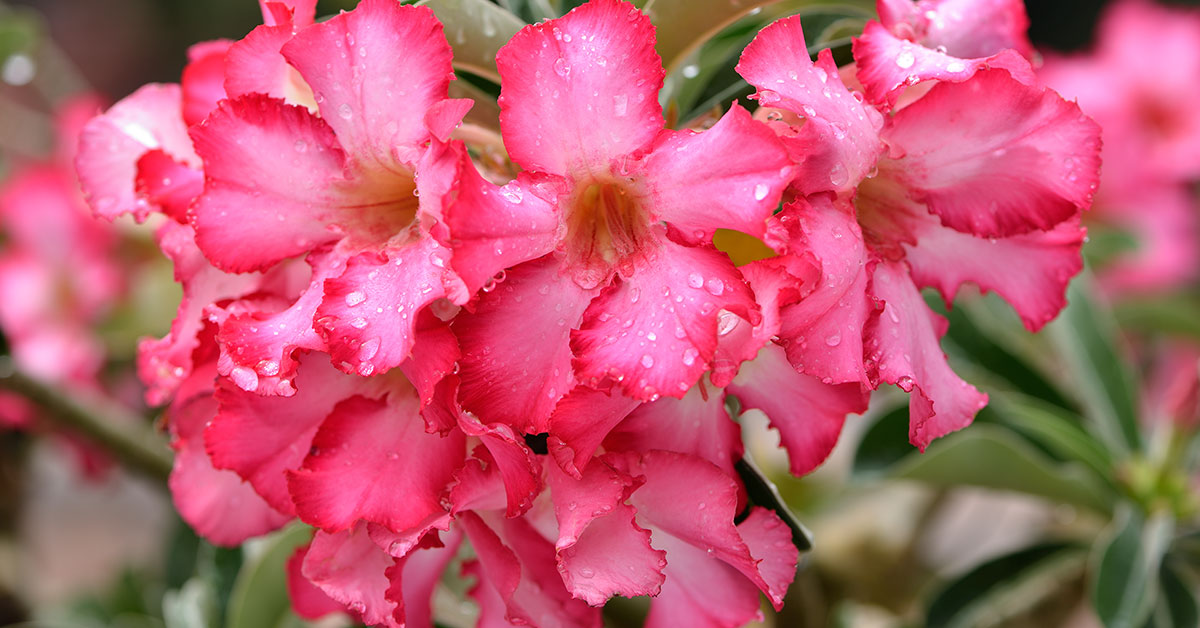

The Desert Rose is a stunning and exotic plant that hails from the arid regions of Africa and the Arabian Peninsula. Known for its striking caudex, vibrant flowers, and ability to thrive in dry conditions, this succulent has captivated the attention of plant enthusiasts around the world.
We will dive into the fascinating world of the Desert Rose, exploring its origins, unique characteristics, and essential care tips to help you successfully cultivate this extraordinary plant.
What is a Desert Rose?
In the vast and diverse world of plants, there are some species that capture our attention with their unique and stunning characteristics. One such plant is the Desert Rose, scientifically known as Adenium obesum. With its striking blooms and distinctive appearance, the Desert Rose has become a popular choice among plant enthusiasts and collectors alike. In this section, we will delve into the fascinating world of Adenium obesum and explore what makes it so special.
Adenium obesum is a succulent plant native to the arid regions of Africa and the Arabian Peninsula. It belongs to the Apocynaceae family, which includes other well-known plants such as the oleander and periwinkle. The Desert Rose is a small tree-like shrub that typically grows up to 1-3 meters in height, with a thick, swollen trunk that stores water to survive in harsh desert conditions.
One of the most distinctive features of the Desert Rose is its attractive flowers. These flowers come in a wide range of colors, including shades of pink, red, white, and even yellow. The flowers are trumpet-shaped with five petals, and they often display intricate patterns and markings, making them truly eye-catching. The Desert Rose blooms intermittently throughout the year, with the peak flowering season occurring during spring and summer.
While the Desert Rose is naturally adapted to survive in arid environments, it can also be grown as a houseplant or in outdoor gardens in suitable climates. Cultivating and caring for Adenium obesum requires a basic understanding of its unique needs.
Pruning is another crucial aspect of Desert Rose care. Regular pruning helps maintain a compact shape and encourages the plant to produce more flowers. It is best to prune the plant during the dormant period to avoid disrupting its growth cycle.
Where is Desert Rose native?
Desert Rose is a stunning succulent plant that has gained popularity among gardening enthusiasts around the world. Native to a specific region, Desert Rose has managed to adapt and thrive in different climates and environments. We will explore the native habitat of Desert Rose, including the US states where it can be found.
Desert Rose is primarily native to the arid regions of Africa, specifically in the countries of Saudi Arabia, Yemen, and Somalia. In these regions, it is commonly found growing in rocky and sandy areas, where the climate is hot and dry. Furthermore, the plant has evolved to withstand high temperatures and limited water availability, making it well-suited for desert environments.
While Desert Rose is not native to the United States, it is interesting to note that it can be successfully grown in certain regions of the country. Due to its ability to adapt to different climates, Desert Rose has been cultivated as a popular ornamental plant in various states with similar environmental conditions to its native habitat.
- Florida: One of the main US states where Desert Rose can be found is Florida. Its warm climate, ample sunlight, and well-draining soil make it an ideal location for growing this succulent. Many gardeners in Florida have successfully cultivated Desert Rose, often using it as a striking addition to their outdoor gardens or as a potted plant for their patios and balconies.
- Southern Texas: Another region in the United States where Desert Rose can be grown is southern Texas. The hot and dry climate in this area closely resembles the natural habitat of the plant, providing it with the ideal conditions for growth. Gardeners in southern Texas have reported successful cultivation of Desert Rose, appreciating its vibrant blooms and unique trunk formations.
- California: Certain parts of California, particularly in the southern and central regions, also offer suitable conditions for growing Desert Rose. The state’s Mediterranean climate, characterized by hot, dry summers and mild, wet winters, allows for successful cultivation of this succulent. However, it is important to note that specific microclimates within California may vary, so it is essential to choose the right location and provide proper care for Desert Rose to thrive.
Although Desert Rose is native to arid regions in Africa, it has found its way to the United States, where it can be grown successfully in specific states. Florida, southern Texas, and certain parts of California offer the ideal climate and conditions for this stunning succulent to flourish.
How to start from seed
If you’re a plant enthusiast or simply want to add some exotic beauty to your garden, the Desert Rose is an excellent choice. Known for its stunning flowers and unique trunk shape, this succulent plant can be grown from seeds, allowing you to witness its growth journey from the very beginning.
- Seed Selection:
To begin your Desert Rose growing adventure, you’ll need to obtain high-quality seeds. Look for reputable seed suppliers or consider collecting seeds from mature Desert Rose plants if you have access to any. Ensure that the seeds are fresh, as this will increase the chances of successful germination. - Preparing the Potting Mix:
Desert Roses prefer well-draining soil, so it’s essential to prepare a suitable potting mix. A mix of perlite, coarse sand, and regular potting soil in a ratio of 1:1:2 works well. This combination provides adequate drainage while retaining some moisture for the developing seedlings. - Sowing the Seeds:
Fill a small seed tray or a pot with the prepared potting mix, leaving about half an inch of space at the top. Gently press the seeds into the soil, ensuring they are in good contact with the mix. It’s recommended to sow multiple seeds to increase the chances of successful germination. - Watering and Germination:
After sowing the seeds, lightly water the potting mix until it is evenly moist. Be careful not to overwater, as excessive moisture can cause the seeds to rot. To create a humid environment, cover the tray or pot with a plastic dome or a plastic bag. Place it in a warm location where the temperature remains around 75-85°F (24-29°C). Germination typically takes anywhere from one to three weeks. - Providing Adequate Light:
Once the seedlings emerge, remove the plastic cover to allow air circulation. Place the tray or pot in a well-lit area, preferably near a window where the Desert Rose can receive bright, indirect sunlight. Adequate light is crucial for the healthy growth of the seedlings. - Transplanting:
When the seedlings have grown two to three sets of true leaves and are about an inch tall, they are ready to be transplanted into individual pots. Carefully lift each seedling with a small spoon or a fork, ensuring you don’t damage the delicate roots. Additionally, plant them in separate pots filled with well-draining soil, providing enough space for the roots to grow. - Caring for Young Desert Rose Plants:
After transplanting, continue to provide bright, indirect sunlight to the young Desert Rose plants. Water them sparingly, allowing the soil to dry out slightly between waterings. Overwatering can lead to root rot, so it’s crucial to strike a balance. As the plants grow, you can gradually increase the amount of sunlight they receive.
How to grow this plant in your garden
Desert rose is a stunning, showy succulent shrub that can add drama and color to your outdoor garden. This exotic-looking flowering plant is native to areas of Africa and the Arabian Peninsula, so it will thrive in semi-arid to arid climates. However, with the right care and attention, this versatile beauty will also flourish in many northern climates. Here are some important tips for growing a desert rose in your garden.
- Choosing the Right Location: It is best to find a site with excellent drainage. Desert roses can become susceptible to root rot if they have poor drainage. If you are growing outdoor desert roses, choose an area with plenty of direct sunlight for up to 8 hours a day. As this is a tropical plant, avoid planting it in areas where the temperature will dip below 15 degrees Celsius.
- Soil and Potting Mix: Desert rose requires a well-draining, sandy soil mix to thrive. You can make your own mix using equal parts sterile potting soil, perlite, and fine-grained pumice. Furthermore, if you are growing your desert rose in containers, a lightweight potting mix formulated for cactus and succulent plants will work best.
- Watering and Maintenance: It requires little water—just enough to keep the soil slightly moist. Be sure to water the soil thoroughly whenever it looks dry. You can also mist the plant every few days with a water spray bottle for added humidity. During the summer, you can apply a light fertilizer once a month to help the plant develop blooms.
- Pruning and Propagation: Desert roses can be pruned and propagated fairly easily. To prune, simply cut away any stem that has become too large or is starting to leggy. To propagate, use a sharp knife to take a cutting from the stem and place in a potting mix designed for cactus and succulent plants. Water the soil regularly and make sure the soil does not dry out, as this will kill the cutting.
- Pests and Disease Control: Desert roses are fairly resistant to pests and diseases, but it’s important to take preventive measures. When possible, water in the morning rather than in the evening to reduce the risk of overwatering and root rot. Be sure to cut away any diseased stems or leaves as soon as possible and dispose of them away from the plant.
- Repotting: Desert rose should be repotted once every two to three years. When you repot, be sure to use a slightly larger pot so the plant has room to continue to grow.
Interesting facts about Desert Rose
Desert Rose, scientifically known as Adenium obesum, is a stunning succulent plant native to arid regions of Africa and the Arabian Peninsula. With its unique caudex and vibrant blooms, Desert Rose has gained popularity among plant enthusiasts worldwide. We will explore some fascinating facts about this remarkable plant.
- Unique Appearance: One of the most striking features of Desert Rose is its unusual caudex, which is a swollen, bulbous stem that stores water. This caudex gives the plant a distinctive and exotic appearance. Making it a sought-after addition to any indoor or outdoor garden.
- Drought Tolerance: As a desert plant, Desert Rose has evolved to survive in dry and harsh conditions. Its fleshy stems and leaves store water, allowing it to withstand extended periods of drought. Furthermore, this makes it an excellent choice for those who live in arid or semi-arid climates.
- Long Lifespan: Desert Rose is a long-lived plant, with some specimens living for several decades. With proper care and attention, these plants can become cherished family heirlooms, passed down from one generation to the next.
- Stunning Blooms: While this plant is admired for its caudex, its flowers are equally captivating. The plant produces large, trumpet-shaped blooms in a wide range of colors. This includes shades of pink, red, white, and even yellow. These blooms often appear in clusters, creating a breathtaking display.
- Seasonal Dormancy: Desert Rose experiences a period of dormancy during the cooler months, usually in winter. During this time, the plant’s growth slows down, and it may shed some of its leaves. This is a natural occurrence, and it is essential not to mistake it for a sign of ill-health. With proper care, the plant will emerge from dormancy and resume its growth in the spring.
- Propagation: They can be propagated through various methods, including stem cuttings, grafting, and seed sowing. Additionally, stem cuttings are a popular choice as they tend to root easily and produce plants that are genetically identical to the parent plant.
- Medicinal Uses: In traditional African and Ayurvedic medicine, Desert Rose has been used for its medicinal properties. The plant’s sap and roots are believed to have antimicrobial, anti-inflammatory, and analgesic properties, making it a valuable ingredient in herbal remedies.
- Bonsai Potential: Due to its unique caudex and ability to adapt to a restricted root space, Desert Rose is highly suitable for bonsai cultivation. With careful pruning and training, you can create miniature versions of this stunning plant. Adding an artistic touch to your indoor or outdoor space.
Desert Rose is a captivating plant with a rich cultural history and unique characteristics. Its striking appearance, drought tolerance, and stunning blooms make it a favorite among plant enthusiasts. Whether you are a seasoned gardener or a beginner, incorporating Desert Rose into your collection will undoubtedly bring joy and beauty to your surroundings.