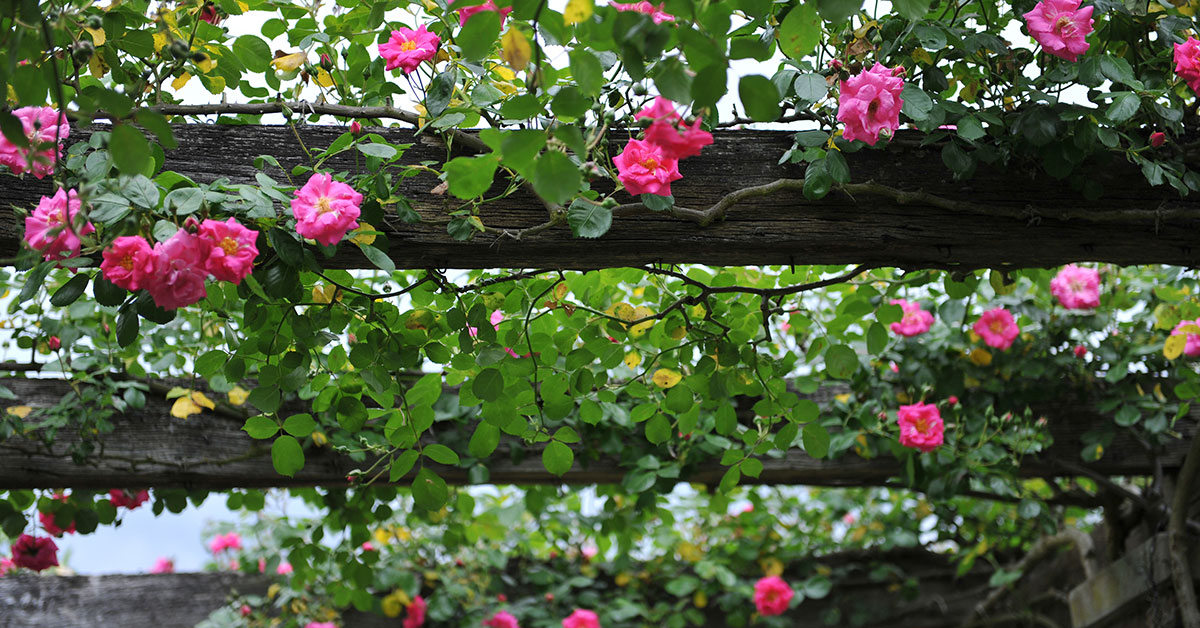

Climbing roses, belonging to the Rosa spp. family, are a captivating addition to any garden or outdoor space. With their stunning blooms, delicate fragrance, and ability to gracefully ascend structures, these roses have become a favorite among gardeners and rose enthusiasts alike.
Whether you’re looking to create a romantic archway or add a pop of color to a bare wall, climbing roses offer a versatile and enchanting solution.
What are Climbing Roses?
Climbing roses, scientifically known as Rosa spp., are a beloved addition to any garden or landscape. These beautiful plants are known for their ability to climb and cover walls, trellises, or any other vertical structure they can latch onto. With their stunning blooms and vigorous growth, climbing roses add a touch of elegance and charm to outdoor spaces. In this section, we will delve into the characteristics and features that make climbing roses a unique and popular choice among gardeners.
Climbing roses are a type of rose plant that has been bred and cultivated specifically to grow vertically. Unlike their bushy counterparts, these plants possess long, flexible canes that allow them to climb and sprawl across various surfaces. These canes can reach impressive lengths, sometimes spanning up to 20 feet or more.
One of the most distinctive features is their ability to produce long, arching canes that can climb or trail. These canes can be trained to grow horizontally along a wall or trellis, or they can be allowed to cascade down from an elevated structure. With the help of support structures, they can reach impressive heights, creating a cascading curtain of blooms.
Climbing roses come in a wide variety of types, each with its own unique characteristics and growth habits. Some popular types include:
- Large-flowered climbers: These roses produce large, showy blooms on long, arching canes. They are known for their vibrant colors and fragrance.
- Ramblers: Rambling roses are known for their vigorous growth and ability to cover large areas quickly. They produce clusters of smaller flowers and are ideal for creating a romantic, wild garden effect.
- Climbing hybrid teas: These roses are a cross between hybrid teas and climbing roses, combining the best qualities of both. They produce large, high-centered blooms on long, sturdy canes.
- Miniature climbers: These compact climbers are perfect for smaller gardens or containers. They produce smaller blooms on shorter canes but still possess the climbing ability of their larger counterparts.
Where are Climbing Roses native?
Climbing roses are a popular choice among gardeners and rose enthusiasts for their ability to add vertical interest and beauty to any outdoor space. We will explore the native regions of climbing roses, including the specific US states where they can be found.
Climbing roses have a long and rich history, with their origins dating back thousands of years. The genus Rosa is native to various regions across the globe, including Europe, Asia, and North America. The exact native region of this plant can vary depending on the specific species and cultivar.
Native Regions of Climbing Roses:
Europe:
- England: Many climbing rose varieties have their roots in England, where they have been cultivated for centuries. The English Roses, bred by renowned rosarian David Austin, are particularly famous for their climbing forms.
- France: France is another country with a significant contribution to the breeding and cultivation of climbing roses. The country is known for its romantic rose gardens, where climbers can be found adorning arches, walls, and fences.
- Germany: German rose breeders have also played a significant role in the development of climbing rose varieties. The country is renowned for its continuous-blooming climbers and disease-resistant hybrids.
Asia:
- China: Many climbing rose species, such as Rosa chinensis and its hybrids, have their origins in China. These roses are known for their delicate flowers and vigorous growth habit.
- Japan: Japan is home to various climbing rose species, including Rosa multiflora, which is often used as a rootstock for grafting other rose varieties.
North America:
- United States: While they are not native to the United States, several states have favorable climates for their growth and cultivation. Some of the states where climbing roses thrive include California, Texas, Florida, and parts of the Pacific Northwest. These regions offer a combination of mild winters, long growing seasons, and suitable soil conditions for climbers to flourish.
While they may not be native to the United States, these stunning plants can thrive in various regions across the country. Whether you’re looking to create a romantic archway or add vertical interest to a fence, climbing roses are sure to bring charm and elegance to your outdoor space.
Pruning
Pruning climbing roses helps maintain their shape, control their size, and promote healthy growth and abundant blooming. Here are the general steps to prune climbing roses:
- Choose the right time: The best time to prune climbing roses is in late winter or early spring, before new growth begins. This timing allows you to remove any dead or damaged wood and shape the plant before the new growth season.
- Gather your tools: Prepare a pair of sharp bypass pruners, long-handled loppers, gloves, and protective eyewear.
- Remove dead or damaged wood: Start by inspecting the plant for any dead, diseased, or damaged wood. Use your pruners to make clean cuts just above an outward-facing bud or node. Removing dead wood helps prevent the spread of diseases and encourages healthy growth.
- Thin out overcrowded branches: Identify any branches that are crossing or rubbing against each other. Choose one healthy, well-placed branch to keep and remove the rest. This process helps increase air circulation and reduces the risk of diseases.
- Prune lateral branches: Climbing roses produce side branches called laterals. Prune these laterals back to about 12-18 inches (30-45 cm) from the main stem. Make the cut just above an outward-facing bud to encourage the growth of new shoots in the desired direction.
- Train the canes: If your climbing rose requires training, secure the main canes or long stems to a support structure such as a trellis, arbor, or fence. Gently weave or tie the canes to the support, spacing them evenly for an aesthetically pleasing appearance.
- Consider repeat-blooming varieties: If you have a repeat-blooming climbing rose, avoid cutting off all the canes from the previous year, as they may produce new flowers. Instead, prune these canes lightly, removing only dead or damaged wood and shaping them as needed.
- Clean up and dispose of clippings: Once you’ve finished pruning, remove any debris, fallen leaves, or pruned branches from around the base of the plant. Proper disposal of clippings is essential, especially if you’ve pruned any diseased wood. Bag and discard them to prevent the spread of diseases.
Remember, these are general guidelines for pruning climbing roses, and the specific pruning requirements may vary depending on the rose variety. It’s always a good idea to consult rose-specific pruning guides or seek advice from local rose experts for more precise instructions based on your particular rose variety and climate.
Training your climbing rose
Training a climbing rose involves guiding its canes or long stems along a support structure, such as a trellis, arbor, fence, or wall. Here’s how you can train a climbing rose:
- Select the support structure: Choose a sturdy support structure that can bear the weight of the climbing rose as it grows. The structure should be firmly anchored to the ground or wall to provide stability.
- Prepare the plant: Before training the rose, ensure that it is well pruned, removing any dead or damaged wood and shaping it as desired (refer to the pruning instructions provided earlier).
- Position the canes: Identify the strongest and healthiest canes that are suitable for training. These canes should ideally be flexible and long enough to reach the desired height or spread along the support structure.
- Attach the canes to the support: Gently bend the canes or long stems of the rose towards the support structure. Secure them in place using soft garden twine, plant ties, or clips. Avoid using materials that can constrict the growth or damage the canes.
- Spread out the canes: As the canes grow, spread them out along the support structure, aiming for an even distribution. This helps provide better air circulation, reduces the risk of disease, and ensures more uniform flowering.
- Train horizontally for more blooms: To encourage more blooms, consider training some canes horizontally rather than vertically. Horizontal canes tend to produce more flowering shoots. Gently bend selected canes sideways and secure them to the support structure. Aim for a balanced arrangement of horizontal and vertical canes for an attractive display.
- Regular maintenance: As the rose continues to grow, periodically check and adjust the position of the canes. Guide them along the support structure as needed to maintain the desired shape and coverage.
- Prune and remove unwanted growth: During the pruning season, remove any excessive or unwanted growth that detracts from the overall appearance or health of the climbing rose. Pruning helps maintain the shape, remove dead wood, and promote new growth.
Remember to provide adequate water, sunlight, and proper care to ensure the healthy growth of your climbing rose. Regularly monitor the plant for any signs of pests, diseases, or stress, and take appropriate measures to address them promptly.
It’s important to note that training methods can vary depending on the specific rose variety and the support structure you choose. Consider researching rose-specific training techniques or consulting local rose experts for guidance tailored to your specific circumstances.
How to start from seed
Climbing roses are a beautiful addition to any garden, adding vertical interest and a burst of color. While many gardeners opt to purchase established plants, starting from seed can be a rewarding and cost-effective way to grow these stunning flowers.
- Selecting the Right Seeds:
Before starting your climbing rose journey from seed, it is important to choose the right seeds. Look for reputable sources that offer a wide variety of climbing rose seeds, ensuring you have options to suit your taste and climate. Consider factors such as color, fragrance, and disease resistance when making your selection. - Preparing the Soil:
Create a suitable environment for your climbing rose seeds by preparing the soil. Choose a location that receives at least six hours of direct sunlight each day. Ensure the soil is rich in organic matter and well-draining. Remove any weeds or debris and till the soil to a depth of 12-18 inches, loosening it for optimal root growth. - Scarification and Stratification:
To enhance germination rates, some climbing rose seeds may require scarification and stratification. Scarification involves gently nicking or scratching the seed coat to help water penetrate and initiate germination. Stratification refers to exposing the seeds to cold temperatures to simulate the winter season. Follow the specific instructions provided with your seed packet for these processes. - Sowing the Seeds:
Once your climbing rose seeds are scarified and stratified (if necessary), it’s time to sow them. Create furrows in the prepared soil, approximately 1/4 inch deep. Space the furrows 8-12 inches apart to give the climbing roses enough room to grow. Place the seeds in the furrows, ensuring they are spaced evenly. Cover the seeds with soil and gently pat it down to ensure good seed-to-soil contact. - Watering and Care:
After sowing the climbing rose seeds, water the area thoroughly but gently. Avoid overwatering, as excessive moisture can lead to rotting. Maintain moist soil throughout the germination process by watering regularly, but be cautious not to let the soil become waterlogged. Provide a light layer of mulch to help retain moisture and suppress weed growth. - Germination and Transplanting:
Germination time can vary depending on the specific climbing rose variety, but most seeds will begin to sprout within two to six weeks. Monitor the soil moisture levels and ensure the seedlings receive adequate sunlight. Once the seedlings have developed several sets of true leaves and the risk of frost has passed, they can be transplanted into individual pots or directly into the garden.
How to grow this plant in your garden
When it comes to growing climbing roses, choosing the right variety is crucial. There are numerous types of climbing roses available, each with its own growth habit, flower color, and fragrance. Before you start, consider factors such as your climate, available space, and personal preferences.
Preparing the Planting Site:
Climbing roses thrive in well-drained soil with plenty of sunlight. Before planting, prepare the site by removing any weeds or grass and enriching the soil with organic matter. Ensure that the location provides enough space for the rose to grow and spread its canes.
Planting:
To plant a climbing rose, dig a hole that is wide and deep enough to accommodate the roots. Gently place the rose in the hole, making sure that the bud union (the swollen area where the rose was grafted onto the rootstock) is level with or slightly above the soil surface. Backfill the hole with soil, firming it gently around the roots.
Providing Support:
As the name suggests, these plants require support structures to grow vertically. Install a sturdy trellis, pergola, or fence before planting the rose. Position the support structure a few inches away from the planting hole to avoid damaging the roots. As the rose grows, gently tie the canes to the support structure using soft twine or plant ties.
Watering and Fertilizing:
Proper watering is essential for the health and vigor of climbing roses. During the growing season, water the plant deeply at least once a week, ensuring that the soil is moist but not waterlogged. In hot and dry climates, more frequent watering may be necessary. Additionally, fertilize the rose regularly with a balanced rose fertilizer to promote healthy growth and abundant blooms.
Pruning and Training:
Pruning climbing roses is essential for maintaining their shape, controlling their size, and encouraging more blooms. Prune the roses during their dormant season, usually in late winter or early spring. Remove any dead, damaged, or crossing branches, and shorten the remaining canes to encourage new growth. Train the canes to grow horizontally or in the desired direction to promote more lateral blooms.
Dealing with Common Issues:
Like any plant, climbing roses may face certain issues such as pests, diseases, or environmental stress. Keep an eye out for common problems like aphids, black spot, powdery mildew, or spider mites. Regularly inspect the plant for any signs of trouble, and take appropriate measures such as using organic insecticides or fungicides, improving air circulation, or providing additional shade during hot summer days.
Enjoying the Beauty:
After putting in the effort to grow and care for your climbing roses, it’s time to sit back, relax, and enjoy their beauty. Whether you have draped them over a pergola, trained them along a fence, or let them cascade down a wall, the vibrant blooms and heavenly fragrance of climbing roses will surely bring joy and beauty to your garden.
Interesting facts about Climbing Roses
Climbing roses have become one of the most popular kinds of roses for gardens since the 19th century. With their beautiful blooms and impressive climbing habit, they are a sight to behold. The history, growth habits, and many varieties of climbing roses make them an ideal choice for any garden.
- History and Origins: Climbing roses are a type of rambling rose that has been bred since the 19th century. A renowned German gardener bred the first climbing roses by crossing a rambler rose with a hybrid tea rose, resulting in hybrids that are perfect for covering walls, trellises, and arbors.
- Growth Habits: These plants are very vigorous, and they can quickly and easily grow up to 20 feet in height when given the correct support. Unlike other roses, climbing roses lack the natural arching habit, and their long and flexible canes are made for training onto supporting structures. They typically reach a width of three to four feet.
- Benefits of Growing Climbing Roses: Climbing roses are a great choice for gardeners because they are incredibly easy to care for and require minimal pruning. Because of their vigorous growth habit, climbing roses can quickly cover arbors, walls, or structures, adding visual interest to your garden. Additionally, since climbing roses will flower all season, they can provide an added pop of color in any garden.
- Different Varieties of Climbing Roses: There are many different varieties of climbing roses available to gardeners, each with its own unique and beautiful blooms. Some examples of popular climbing rose varieties include ‘Zephirine Drouhin’ with its soft-pink fragrant blooms, and ‘Samaritan’ with its hot-pink double blooms.
Climbing roses are an ideal choice for any gardener interested in adding a splash of color to their garden. Whether you are looking for a dramatic focal piece for your garden, or simply want some hardy blooms, climbing roses will provide lasting beauty in your garden.