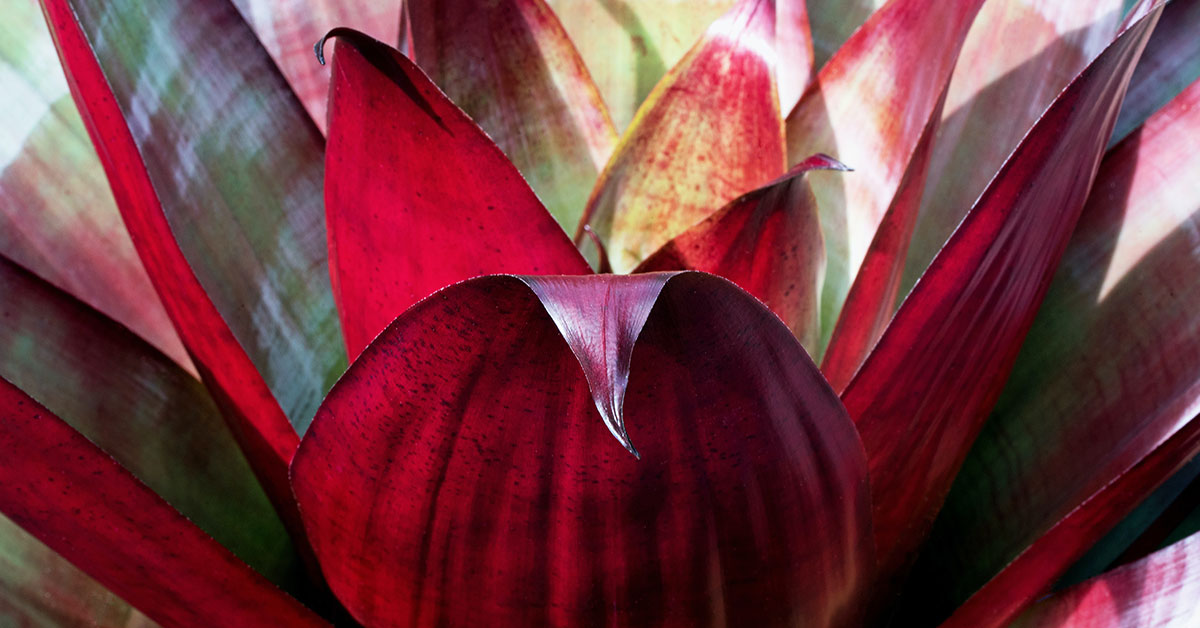

The bromeliad, with its captivating beauty and unique growth habits, has become increasingly popular among plant enthusiasts. These tropical wonders, belonging to the Bromeliaceae family, offer an array of vibrant foliage, stunning flowers, and intriguing forms. With a few simple care guidelines, anyone can successfully cultivate these extraordinary plants and bring a touch of the tropics into their homes or gardens.
Whether you’re a seasoned indoor gardener or just starting your plant journey, growing bromeliads offers a unique and rewarding experience. Their ability to thrive in various environments, their striking beauty, and their relatively undemanding care requirements make them an excellent choice for plant enthusiasts looking to diversify their collections. Embrace the exotic allure of bromeliads and enjoy the marvels they bring into your botanical world.
What is a bromeliad?
A bromeliad is a type of tropical plant that belongs to the family Bromeliaceae. It is a diverse family of plants consisting of over 3,000 known species, including popular genera such as Aechmea, Guzmania, Neoregelia, and Tillandsia (air plants). Bromeliads are native to the Americas, mainly found in tropical and subtropical regions, with a concentration in Central and South America.
Bromeliads are known for their unique and often striking rosette-shaped foliage, which can come in a wide range of colors, patterns, and textures. Some bromeliads have spiky leaves, while others have soft, succulent foliage. The leaves are often arranged in a spiral pattern, forming a central cup or reservoir that collects water and nutrients.
One of the defining characteristics of bromeliads is their ability to capture water in their leaf cups, known as tank bromeliads. These reservoirs provide habitats for various organisms, such as insects, frogs, and even small fish, forming a mini-ecosystem within the plant. Other bromeliads are epiphytic, meaning they grow on trees or other surfaces, and obtain nutrients and moisture from the air and rain.
Popular varieties of bromeliad
There are several popular types of bromeliads that are widely cultivated and appreciated for their beauty and ease of care. Here are a few examples:
- Aechmea: Aechmea bromeliads are known for their vibrant, long-lasting flower spikes that emerge from the center of the plant. They often have colorful bracts and tubular flowers. Aechmea fasciata, commonly known as the Silver Vase or Urn Plant, is one of the most popular species, featuring striking silver-gray leaves and pink bracts.
- Guzmania: Guzmania bromeliads are valued for their stunning and long-lasting flower bracts, which come in a variety of vibrant colors, including red, orange, yellow, and pink. They have wide, glossy leaves that form a rosette shape. Guzmania lingulata, or Scarlet Star, is a well-known and widely cultivated species.
- Neoregelia: Neoregelia bromeliads are appreciated for their striking foliage colors and patterns. The leaves can be mottled, striped, or spotted in vibrant shades of red, green, orange, and purple. They typically form a rosette shape, and some species produce colorful flowers as well. Neoregelia ‘Fireball’ and Neoregelia carolinae are popular cultivars.
- Tillandsia: Tillandsias, also known as air plants, are unique bromeliads that do not require soil and obtain nutrients and moisture from the air. They are highly versatile and can be displayed in various creative ways, such as mounted on driftwood or placed in glass terrariums. Tillandsia ionantha and Tillandsia xerographica are among the well-known and widely cultivated species.
- Vriesea: Vriesea bromeliads are admired for their showy and long-lasting flower spikes, which can be brightly colored and often have attractive bracts. The leaves are typically broad and glossy, forming a rosette shape. Vriesea splendens, or Flaming Sword, is a popular and visually striking species.
These are just a few examples of popular bromeliad genera and species. There are many more varieties and hybrids available, each with its unique characteristics and appeal. Bromeliads offer a wide range of options for plant enthusiasts, whether you’re looking for vibrant flowers, striking foliage patterns, or intriguing growth habits.
How to grow bromeliads
Growing bromeliads can be a rewarding and enjoyable experience. Here are some general guidelines for growing bromeliads:
Light: Most bromeliads thrive in bright, indirect light. Place them near a window with filtered sunlight or provide them with artificial grow lights suitable for indoor plants. However, it’s important to avoid direct sunlight, as it can scorch the leaves.
Temperature: Bromeliads generally prefer temperatures between 60-80°F (15-27°C). They can tolerate slightly cooler temperatures at night, but it’s best to avoid extremes and sudden temperature fluctuations. Protect them from drafts and cold air.
Watering: Bromeliads have unique watering needs. Most species have a central cup or reservoir formed by their leaf bases, which should be kept filled with water. It’s important to avoid overwatering and allow the cup to dry out slightly between waterings. Use filtered, rainwater, or distilled water to prevent mineral build-up in the cups.
Humidity: Bromeliads appreciate higher humidity levels. You can increase humidity around the plants by placing them on humidity trays filled with water and pebbles or using a humidifier. Misting the leaves occasionally can also provide a humidity boost.
Potting Medium: Most bromeliads are epiphytic and do not require soil. They can be grown in a well-draining potting mix specifically designed for bromeliads or mounted on a suitable substrate like cork bark or tree fern fiber. Ensure good air circulation around the roots.
Fertilization: Bromeliads have relatively low nutrient requirements. Use a balanced, water-soluble fertilizer formulated for epiphytic plants or bromeliads. Apply the fertilizer at half-strength or according to the package instructions, typically every 1-2 months during the growing season.
Air Circulation: Good air circulation is essential for bromeliads to prevent stagnant air and fungal issues. Provide gentle air movement through fans or by opening windows when weather permits.
Repotting: Bromeliads generally do not require frequent repotting. However, if they outgrow their containers or the potting medium breaks down, you can carefully remove them from their current pots and transfer them to slightly larger ones or mount them on a new substrate.
Pests and Diseases: Bromeliads are relatively resistant to pests and diseases. However, occasional issues with mealybugs, scale insects, or fungal infections may occur. Inspect your plants regularly and treat any infestations promptly using suitable insecticides or natural remedies.
Flowering and Propagation: Bromeliads typically flower once in their lifetime, producing a colorful inflorescence. After flowering, some bromeliads produce offsets, called “pups,” around the base. These can be carefully separated and grown into new plants.
Remember to research the specific care requirements of the bromeliad species you have, as there can be some variations in their preferences. With proper care, bromeliads can thrive and reward you with their unique and stunning foliage, as well as their occasional showy blooms.
Propagate your bromeliad
To propagate bromeliads, you can use the following methods:
- Offsets/Pups: Many bromeliads naturally produce offsets, also known as pups, around the base of the mother plant. These pups can be separated and grown into new individual plants. Wait until the pup has grown to a reasonable size, usually when it has a few leaves of its own. Use a clean, sharp knife or shears to carefully separate the pup from the mother plant, ensuring that it has some roots attached. Plant the pup in a small pot or mount it on a suitable substrate using a well-draining bromeliad mix or orchid bark. Provide the same care as you would for mature bromeliads.
- Division: Some bromeliads form clumps or clusters of rosettes. Over time, these clumps can become crowded, affecting the growth and health of individual plants. Dividing the clumps can help rejuvenate the plants. Carefully remove the clump from its pot or growing medium, and use a clean, sharp knife to separate the individual rosettes. Ensure that each division has some roots attached. Plant the divisions in separate pots or mount them individually. Provide appropriate care, including watering and light conditions.
- Leaf Cuttings: While less common, some bromeliads can be propagated from leaf cuttings. Select a healthy, mature leaf from the mother plant and cut it into sections, each with a portion of the leaf blade and a node (where the leaf attaches to the stem). Dust the cut ends with a rooting hormone, if desired, to promote root development. Plant the cuttings in a well-draining medium, such as a mix of perlite and peat moss or a suitable orchid mix. Keep the medium moist and provide indirect light. With time and proper care, the cuttings may develop roots and eventually grow into new plants.
Regardless of the propagation method you choose, it’s important to provide the propagated plants with the appropriate care, including the right light levels, watering routine, and suitable potting or mounting medium. It may take some time for the propagated bromeliads to establish themselves and reach maturity, so patience is key.
Common problems
While bromeliads are generally low-maintenance plants, they can still encounter a few common problems. Here are some issues you may encounter when growing bromeliads and how to address them:
- Overwatering: Bromeliads are susceptible to root rot if their roots are constantly sitting in waterlogged soil. Overwatering can lead to yellowing leaves, root decay, and eventual plant decline. To prevent overwatering, allow the top inch or two of the potting medium to dry out before watering again. Ensure the pot has drainage holes, and never let water accumulate in the central cup for extended periods.
- Underwatering: While bromeliads are relatively tolerant of dry conditions, inadequate watering can cause the leaves to wilt and become dry or crispy. Water the plants thoroughly, allowing water to drain through the pot, and ensure the central cup has enough water to provide moisture to the plant. Avoid letting the cup dry out completely for extended periods.
- Insufficient Light: Inadequate light can result in pale, stretched-out foliage and poor overall growth. Most bromeliads require bright, indirect light to thrive. If your bromeliad’s leaves appear elongated or the colors are not as vibrant, try moving the plant to a location with more light, such as closer to a window or under artificial grow lights.
- Fungal or Bacterial Diseases: Bromeliads can be susceptible to fungal or bacterial infections, especially if their leaves remain consistently wet. Common issues include leaf spots, rot, or blight. To prevent these problems, provide good air circulation, avoid overhead watering, and ensure the plant dries relatively quickly after watering. If you notice signs of disease, remove affected leaves and treat the plant with a suitable fungicide or bactericide.
- Pests: Although relatively resistant to pests, bromeliads can occasionally attract pests such as mealybugs, scale insects, or spider mites. Inspect your plants regularly, especially in the leaf axils and under the leaves, for signs of pests. Use an appropriate insecticidal soap, neem oil, or horticultural oil to control the infestation. For severe cases, consider isolating the affected plant and treating it with systemic insecticides.
- Improper Fertilization: Overfertilizing bromeliads can lead to salt buildup in the potting medium, causing leaf burn and other issues. Follow the recommended fertilizer dosage and frequency for bromeliads or use a specialized bromeliad fertilizer. Apply the fertilizer during the growing season and dilute it to half-strength or as instructed on the label.
Regularly monitoring your bromeliads, maintaining proper care practices, and promptly addressing any issues that arise will help keep your plants healthy and thriving. If you encounter persistent or severe problems, consulting with a local horticulturist or bromeliad enthusiast can provide valuable guidance specific to your region and the species you are growing.