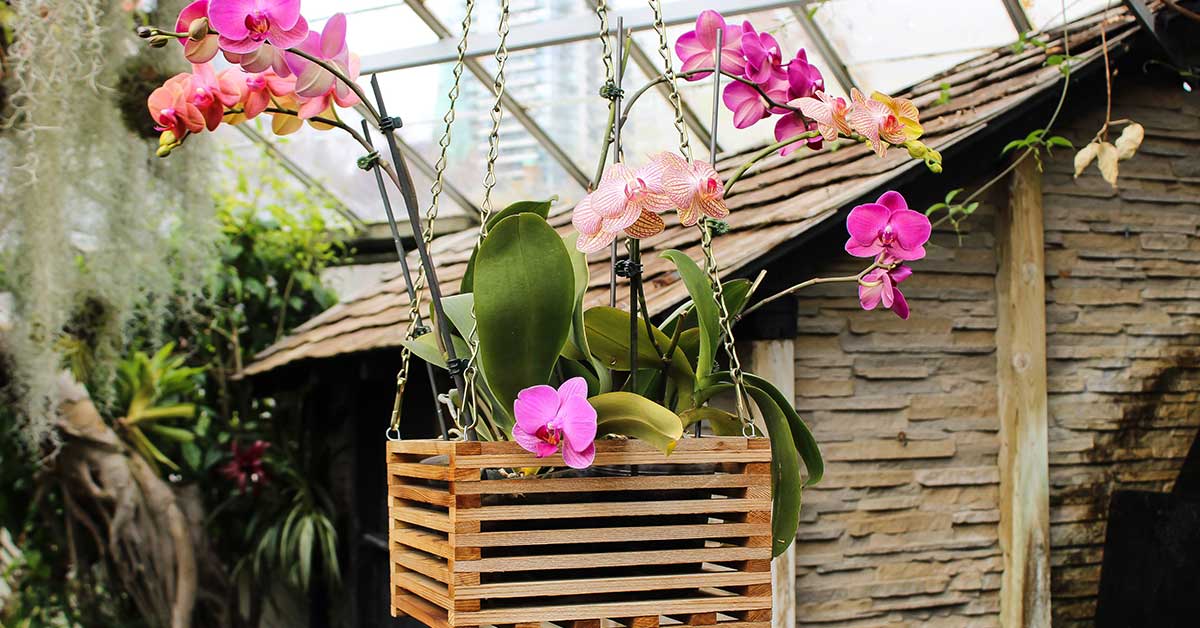

Growing orchids indoors offers a rewarding and captivating experience for plant enthusiasts. Orchids, renowned for their breathtaking beauty and diverse forms, make stunning additions to any indoor space.
With careful attention to their specific needs, such as lighting, temperature, humidity, and watering, orchids can thrive in the controlled environment of a home or office. The year-round blooms of certain orchid varieties bring a touch of nature’s splendor indoors, providing a continuous display of vibrant colors and enchanting fragrances.
Cultivating orchids indoors allows for easy accessibility, close observation of their growth, and the satisfaction of nurturing these delicate plants. It is a hobby that combines artistry and science, as orchid enthusiasts learn to create the ideal environment for their plants, ensuring healthy foliage and abundant flowering.
From the elegant Phalaenopsis to the graceful Dendrobium, each orchid species offers its unique charm, adding an element of elegance and sophistication to any indoor setting.
The best orchids for growing indoors
There are several orchid species and hybrids that are well-suited for indoor cultivation due to their adaptability to indoor conditions. Here are some popular orchids that are commonly grown indoors:
- Phalaenopsis Orchids (Phalaenopsis spp.): Also known as “Moth Orchids,” Phalaenopsis orchids are widely available and popular among indoor growers. They have long-lasting, elegant flowers and are relatively easy to care for, making them an excellent choice for beginners.
- Cattleya Orchids (Cattleya spp.): Cattleya orchids are known for their vibrant and fragrant flowers. They require brighter light conditions and slightly cooler temperatures than Phalaenopsis, but they can thrive indoors with proper care. They are prized for their large, showy blooms.
- Dendrobium Orchids (Dendrobium spp.): Dendrobium orchids come in a wide variety of shapes and sizes. They are adaptable and can grow well in indoor environments. Some dendrobium species bloom profusely and have beautiful flowers.
- Oncidium Orchids (Oncidium spp.): Oncidium orchids, also called “Dancing Lady Orchids,” have cascading sprays of small flowers and are known for their vibrant colors and delightful fragrance. They typically prefer intermediate light conditions and can thrive indoors.
- Miltoniopsis Orchids (Miltoniopsis spp.): Known as “Pansy Orchids” or “Miltonias,” these orchids have stunning, pansy-like flowers and are popular for their delightful fragrance. They prefer cooler temperatures compared to some other orchid species, making them well-suited for indoor growing.
- Phragmipedium Orchids (Phragmipedium spp.): Phragmipedium orchids, also known as “Lady’s Slipper Orchids,” have unique slipper-shaped flowers. Some varieties can tolerate indoor conditions well, although they may require slightly cooler temperatures than other orchids.
- Cambria Orchids (Intergeneric Oncidium hybrids): Cambria orchids are intergeneric hybrids resulting from crosses between various orchid genera, including Odontoglossum, Miltonia, and Oncidium. They are known for their striking and colorful flowers. Cambria orchids can be well-suited for indoor growing due to their adaptability and ease of care.
These are just a few examples of orchids that can thrive indoors. However, it’s important to note that different orchid species and hybrids have specific care requirements, and their suitability for indoor cultivation may vary. It’s recommended to research the specific needs of the orchids you choose to ensure you can provide the appropriate conditions for their growth and flowering.
Caring for indoor orchids
Light: Orchids generally require bright, indirect light to thrive. Place them near a window with filtered sunlight or use artificial grow lights specifically designed for orchids. Avoid direct sunlight, as it can cause leaf burn.
Temperature: Most orchids prefer a temperature range of 60-80°F (15-27°C) during the day and slightly cooler temperatures at night. Avoid placing orchids near drafts or extreme temperature fluctuations.
Humidity: Orchids prefer higher humidity levels than what is typically found indoors. Aim for humidity levels between 50-70%. You can increase humidity by using a humidifier, placing orchids on humidity trays filled with water and pebbles, or misting them regularly.
Watering: Orchids have specific watering needs, and overwatering is a common problem. Water orchids when the potting medium feels dry to the touch, usually every 7-10 days. Water thoroughly and allow excess water to drain out. Avoid letting the orchids sit in standing water, as this can lead to root rot.
Potting Medium: Orchids require a well-draining potting medium that allows air circulation around their roots. Orchid-specific potting mixes, usually composed of bark, sphagnum moss, or a combination, are widely available. Repot orchids every 1-2 years or when the potting medium breaks down.
Fertilization: Orchids benefit from regular fertilization during their active growing season. Use a balanced orchid fertilizer diluted to half-strength and apply it every 2-4 weeks. During the dormant period, reduce or stop fertilization.
Air Circulation: Good air circulation helps prevent the buildup of stagnant air and discourages pests and diseases. Use fans or open windows to ensure proper airflow around the orchids.
Pruning and Maintenance: Remove spent flowers and yellowing or dead leaves to maintain the overall health and appearance of the orchids. Prune orchids after they have finished flowering, following specific pruning guidelines for the particular species.
Pests and Diseases: Regularly inspect orchids for pests such as aphids, mealybugs, or spider mites. Treat infestations promptly using appropriate methods like insecticidal soap or neem oil. Ensure good sanitation practices to prevent the spread of diseases.
Observation and Adjustments: Observe your orchids regularly for signs of stress, pests, or diseases. Adjust care routines based on their specific needs, as different orchid species may have varying requirements.
Remember that while these care guidelines provide a general overview, it’s important to research and understand the specific needs of the orchid species you are growing. With patience, attention, and a bit of practice, you can create a favorable environment for your indoor orchids to flourish and reward you with their stunning blooms.
Common problems
While growing indoor orchids can be rewarding, it’s important to be aware of common challenges or problems that may arise. Here are a few issues that orchid growers often encounter:
- Improper watering: Overwatering or underwatering is a common problem with orchids. Orchids have specific water requirements, and their roots should not be constantly wet or dry. Finding the right balance can be a challenge, as different orchid species have different needs. It’s crucial to understand the specific watering requirements of your orchid and adjust accordingly.
- Insufficient or excessive light: Orchids need an appropriate amount of light to thrive, but the intensity and duration of light can vary depending on the species. Insufficient light can lead to poor growth and lack of flowering, while excessive light can cause leaf burn or sun damage. Finding the right balance and providing suitable light conditions for your orchids is crucial for their well-being.
- Improper humidity levels: Orchids generally prefer higher humidity levels than what is typically found in indoor environments. Low humidity can cause dehydration and affect their growth and flowering. On the other hand, excessively high humidity can promote the development of fungal or bacterial diseases. Maintaining adequate humidity through methods like misting, humidity trays, or a humidifier can help create a favorable environment for orchids.
- Inadequate ventilation: Good air circulation is essential for orchids as it helps prevent the buildup of stagnant air, which can lead to fungal or bacterial problems. Insufficient airflow can also contribute to the spread of pests. Ensuring proper ventilation by using fans or opening windows can help maintain a healthy growing environment.
- Incorrect temperature: Orchids have specific temperature requirements, and extreme temperature fluctuations or prolonged exposure to unsuitable temperatures can negatively impact their growth and flowering. It’s important to understand the temperature preferences of your orchid species and provide a stable and appropriate temperature range.
- Pest infestations: Orchids are susceptible to pests such as aphids, mealybugs, scale insects, and spider mites. These pests can damage the leaves, flowers, and roots of the plants. Regular inspection, early detection, and appropriate pest control measures are essential to prevent infestations and keep orchids healthy.
- Improper potting or media: Orchids require a well-draining growing medium that allows air circulation around their roots. Using the wrong type of potting mix or a pot without proper drainage can lead to root rot and other problems. Understanding the specific needs of your orchid species and using suitable potting media is crucial for their overall health.
By being aware of these common challenges and taking appropriate measures to address them, you can increase your chances of successfully growing indoor orchids and enjoying their beauty for years to come.
Why grow indoor orchids?
Growing indoor orchids offers several advantages and reasons why people choose to cultivate these beautiful plants indoors. Here are some key reasons:
- Aesthetics: Orchids are renowned for their exquisite beauty and diverse range of colors and shapes. Growing them indoors allows you to enjoy their splendor and enhance the visual appeal of your home or office. Orchids can be stunning centerpieces or additions to your indoor décor.
- Year-round Blooms: Certain orchid varieties are capable of blooming throughout the year when grown indoors under the right conditions. This enables you to experience their captivating flowers even during seasons when outdoor plants may not be in bloom.
- Accessibility and Convenience: By growing orchids indoors, you have easy access to these fascinating plants at any time. You can observe their growth, tend to their care, and enjoy their blooms without having to venture outdoors or rely on weather conditions.
- Environmental Control: Orchids are sensitive to their growing environment, and indoor cultivation allows you to have greater control over the conditions they require. You can adjust factors such as temperature, humidity, and light to create an optimal environment for your orchids, ensuring their health and encouraging consistent growth and flowering.
- Protection from Harsh Conditions: Orchids are often native to tropical or subtropical regions where they thrive in specific conditions. Growing them indoors provides protection from extreme temperatures, strong winds, pests, and diseases that may be prevalent in outdoor environments.
- Enjoyment of a Hobby: Orchid cultivation can be a rewarding and fulfilling hobby. It allows you to engage in nurturing plants, learning about their needs, and observing their growth and development. Many people find joy in the process of caring for orchids and the sense of accomplishment when their efforts are rewarded with beautiful blooms.
- Conservation and Preservation: Some orchid species are endangered or threatened in their natural habitats due to deforestation and habitat destruction. Growing orchids indoors can contribute to their conservation efforts, as it helps prevent overcollection from the wild and supports the cultivation and preservation of these delicate plants.
Overall, growing indoor orchids offers a wonderful opportunity to appreciate their beauty, have control over their growing conditions, and engage in a rewarding and enjoyable hobby.