
August, a month synonymous with warmth, sunshine, and the peak of summer, gifts us with an abundance of vibrant and captivating blooms. As nature’s canvas unfolds, gardens and landscapes become a tapestry of colors, textures, and scents, courtesy of the flowers that gracefully take center stage. In this article, we embark on a journey to explore the diverse and enchanting world of flowers that bloom in August. From the show-stopping annuals to the steadfast perennials, there are numerous flowers that bloom in August.
Join us as we immerse ourselves in the beauty and marvel at the extraordinary blooms that adorn our gardens during this glorious month. Together, let’s celebrate and appreciate the splendor of August’s floral symphony that captivates hearts and connects us to the marvels of the natural world.
Perennial flowers that bloom in August
These steadfast plants return year after year, reliably adorning our landscapes with their enchanting presence. In this section, we delve into the realm of perennial flowers that bloom in August, celebrating their resilience and the beauty they bring to our outdoor spaces. Whether you desire a burst of vibrant hues, delicate petals that sway in the breeze, or elegant blooms that invite pollinators, these August-blooming perennials offer a captivating selection to elevate your garden’s aesthetics.
- Coneflowers (Echinacea spp.): These vibrant daisy-like flowers come in various colors, including purple, pink, and white. They attract butterflies and provide a pop of color to the garden.
- Black-eyed Susans (Rudbeckia spp.): With their golden yellow petals and dark centers, black-eyed Susans are classic late-summer bloomers. They are known for their resilience and attractiveness to pollinators.
- Russian Sage (Perovskia atriplicifolia): This perennial features delicate, lavender-blue flowers and aromatic silvery foliage. Russian sage adds an ethereal quality to the garden and attracts bees and butterflies.
- Daylilies (Hemerocallis spp.): Daylilies are known for their wide variety of colors and long blooming period. They provide abundant blooms throughout summer, including August, and come in different heights and flower forms.
- Phlox (Phlox paniculata): Phlox produces clusters of fragrant, colorful flowers in shades of pink, purple, and white. They are popular for their sweet fragrance and attractiveness to butterflies.
- Helenium (Helenium spp.): Helenium, also known as sneezeweed, produces vividly colored, daisy-like flowers in shades of yellow, orange, and red. They add a cheerful touch to late summer gardens.
- Sedum (Sedum spp.): Sedums are low-maintenance perennials that provide succulent foliage and late summer blooms. They come in various forms and colors, such as pink, red, and white.
- Joe-Pye Weed (Eutrochium spp.): Joe-Pye weed is a tall perennial with clusters of fluffy mauve or pinkish flowers. It attracts butterflies and adds height and visual interest to the garden.
- Turtlehead (Chelone spp.): Turtlehead produces unique, snapdragon-like flowers in shades of pink or white. It thrives in moist soil conditions and adds a touch of elegance to late summer landscapes.
- Japanese Anemone (Anemone × hybrida): These graceful flowers feature single or double blooms in shades of pink and white. Japanese anemones bring a delicate beauty to the garden in late summer.
Remember that the blooming period can vary depending on the specific cultivar and local climate conditions. It’s always a good idea to check the specific requirements and bloom times of the plants you are interested in to ensure they suit your garden’s needs.
Annual flowers that bloom in August
These annual flowers, carefully selected for their ability to thrive in the warm weather and longer days, are a delightful addition to any garden or container. In this section, we will explore a selection of annual flowers that bloom specifically in August, showcasing their beauty, versatility, and the joy they bring to outdoor spaces. Whether you seek bold and showy blooms or delicate and charming blossoms, these August-blooming annuals will undoubtedly enhance the visual appeal of your garden and provide a stunning display of nature’s artistry.
- Marigolds (Tagetes spp.): Marigolds are popular annual flowers that come in various colors, including vibrant oranges, yellows, and reds. They are known for their ability to repel pests and provide long-lasting blooms.
- Zinnias (Zinnia spp.): Zinnias are versatile annual flowers that offer a wide range of colors, sizes, and petal shapes. They are easy to grow and provide abundant blooms throughout the summer, including August.
- Cosmos (Cosmos spp.): Cosmos flowers produce delicate, daisy-like blooms in shades of pink, white, and purple. They add a whimsical touch to garden beds and attract butterflies and bees.
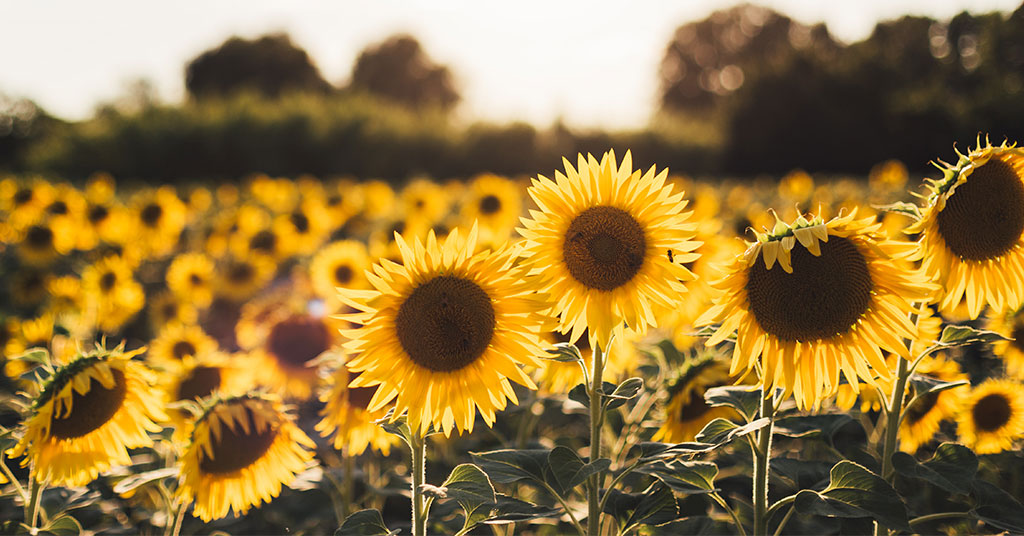
- Sunflowers (Helianthus spp.): Sunflowers are iconic annual flowers known for their large, radiant blooms that follow the sun. They come in various sizes and colors, including classic yellow and rich mahogany.
- Celosia (Celosia spp.): Celosia features unique and vibrant flower heads that resemble flames or rooster combs. They come in bold colors like red, orange, and yellow and are eye-catching additions to summer gardens.
- Nasturtiums (Tropaeolum spp.): Nasturtiums offer cheerful, brightly colored flowers in shades of red, orange, and yellow. They are edible flowers that can be used to garnish salads and have a peppery flavor.
- Petunias (Petunia spp.): Petunias are versatile annuals available in a wide range of colors, including pastels, bright hues, and variegated patterns. They provide abundant blooms throughout the summer, including August.
- Lantana (Lantana camara): Lantana is a heat-tolerant annual with clusters of small, tubular flowers in vibrant shades of pink, orange, yellow, and purple. It attracts butterflies and adds a tropical touch to gardens.
- Salvia (Salvia spp.): Salvia, also known as annual sage, produces spikes of vibrant flowers in shades of red, pink, purple, and white. It attracts hummingbirds and butterflies and provides vertical interest.
- Vinca (Catharanthus roseus): Vinca, also called Madagascar periwinkle, offers glossy green foliage and blooms in shades of pink, red, and white. It thrives in hot weather and is a reliable summer bloomer.
These annual flowers can add bursts of color and beauty to your garden throughout August. However, it’s important to consider your specific location and climate conditions, as well as the recommended planting times for these annuals in your region.
Tips for growing flowers in August
Select the Right Plants: Choose flowers that are well-suited to your climate, soil type, and sunlight conditions. Consider factors such as the amount of sunlight your garden receives and the moisture levels in the soil to ensure you select plants that will thrive in your specific environment.
Prepare the Soil: Before planting, prepare the soil by removing weeds, rocks, and debris. Loosen the soil and amend it with organic matter, such as compost or well-rotted manure, to improve drainage, fertility, and overall soil health.
Provide Adequate Watering: Water your flowers consistently and deeply, especially during dry spells. Ensure that the soil is evenly moist, but avoid overwatering, as it can lead to root rot or other problems. Consider using a drip irrigation system or soaker hoses to deliver water directly to the plant roots.
Mulch: Apply a layer of organic mulch around your flowers. Mulch helps to retain moisture, suppress weeds, and regulate soil temperature. Use materials like wood chips, straw, or shredded bark and maintain a layer of 2-3 inches thick around the plants.
Fertilize Regularly: Provide your flowers with the necessary nutrients by fertilizing them regularly. Use a balanced, slow-release fertilizer or organic options according to the specific requirements of the flower species. Follow the instructions on the product label for the correct application rates and timing.
Prune and Deadhead: Regularly remove faded or dead flowers (deadheading) to encourage continuous blooming and prevent the plants from putting energy into producing seeds. Prune any damaged or overgrown branches to maintain the plant’s shape and overall health.
Monitor and Control Pests: Keep an eye out for pests like aphids, slugs, or snails that can damage your flowers. Use organic pest control methods whenever possible, such as introducing beneficial insects or using insecticidal soap or neem oil. Regularly inspect your plants and take action at the first signs of pest infestation.
Support Tall Plants: If you have tall-growing flowers, such as delphiniums or hollyhocks, provide them with stakes or cages for support. This will help prevent them from bending or breaking due to wind or heavy blooms.
Regularly Weed: Keep your flower beds free from weeds that can compete for nutrients, water, and sunlight. Regularly remove weeds by hand or use mulch to suppress their growth.
Observe and Learn: Pay attention to how your flowers are responding to the growing conditions, including sunlight, water, and temperature. Take note of any issues or successes and adjust your gardening practices accordingly. Every garden is unique, so it’s important to observe and adapt as needed.
Remember, growing flowers can be a rewarding and enjoyable experience. Experiment with different varieties, colors, and combinations to create a vibrant and beautiful garden that brings you joy throughout the seasons.