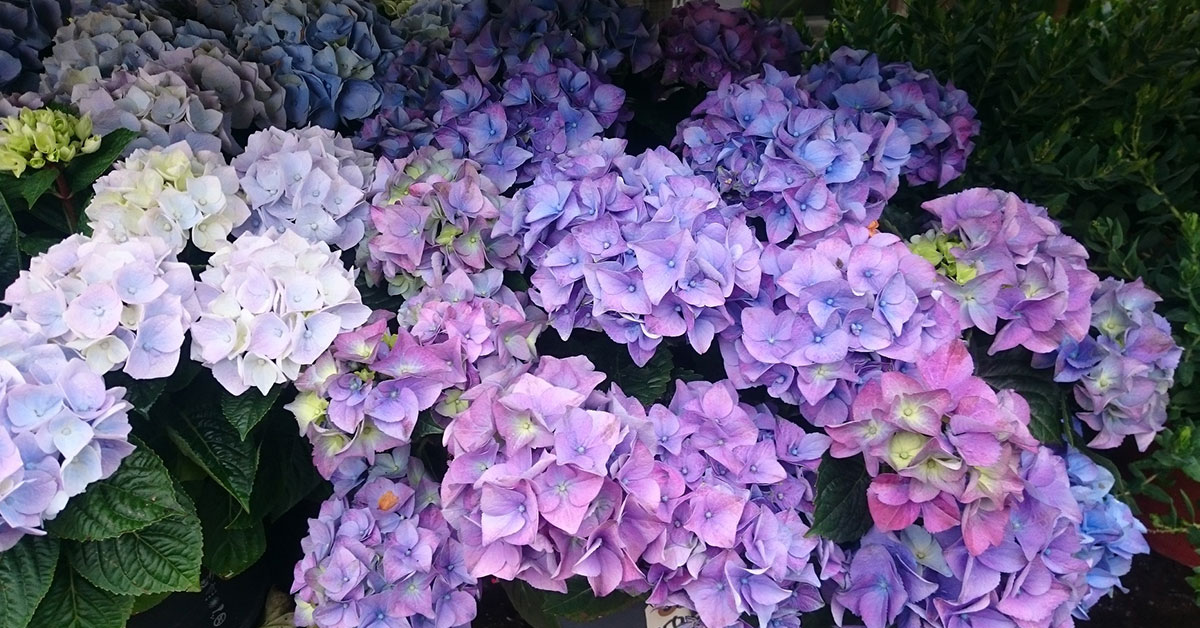

Growing a hydrangea can be an easy and rewarding experience. Hydrangeas are beautiful and versatile flowering plants that can add color and texture to any garden or landscape.
With a variety of colors, shapes, and sizes, hydrangeas are a popular choice for gardeners and landscapers alike. We will explore the different types of hydrangeas, how to care for them, and some creative ways to use them in your garden or landscape design.
Whether you are a seasoned gardener or just starting out, this guide will provide you with all the information you need to grow and enjoy these stunning plants.
What is a Hydrangea?
Hydrangea is a beautiful flowering plant that is native to Asia and the Americas. It is a deciduous shrub that can grow up to 6 feet tall and wide. The flowers of the Hydrangea are large and showy, and they come in a variety of colors, including pink, blue, white, and purple.
One of the unique features of the Hydrangea is the ability to change the color of its flowers. The color of the flowers is determined by the acidity of the soil. If the soil is acidic, the flowers will be blue, and if the soil is alkaline, the flowers will be pink. In some cases, the flowers may also appear purple or white.
The Hydrangea is a popular choice for gardeners because of its versatility and beauty. It can be grown in a variety of settings, including in containers, as a border plant, or as a focal point in a landscape design. The Hydrangea also makes a great cut flower, and its blooms can be used in floral arrangements or as a decorative element in the home.
Where are Hydrangeas native?
Hydrangeas are native to Asia and the Americas, with the majority of species originating from Japan, China, and Korea. They were first introduced to Europe in the 18th century and quickly became popular as garden plants. Today, hydrangeas can be found in many parts of the world, including the United States.
In the US, hydrangeas can be found in many states. However, they are more commonly found in the eastern and southeastern regions of the country. Some of the states where hydrangeas are native or commonly found include:
- Virginia
- North Carolina
- South Carolina
- Georgia
- Florida
- Alabama
- Mississippi
- Louisiana
- Texas
In these states, hydrangeas can be found growing in a variety of environments, including woodlands, meadows, and along riverbanks. They are often used as ornamental plants in gardens and landscaping, and many varieties have been developed for their unique colors, shapes, and sizes.
While hydrangeas are not native to all parts of the United States, they have become a beloved plant for many gardeners and homeowners. With their beautiful blooms and easy care requirements, hydrangeas are a great choice for anyone looking to add some color and charm to their outdoor space.
How to start from seed
Hydrangeas are beautiful flowering plants that can add a pop of color to any garden or landscape. While many gardeners opt to purchase established hydrangea plants from their local nursery, starting hydrangeas from seed can be a fun and rewarding process. Here are some steps to help you get started:
- Choose the right time to plant: Hydrangea seeds should be planted in the early spring, after all danger of frost has passed. This will give the seeds plenty of time to germinate and establish themselves before the hot summer months arrive.
- Prepare the soil: Hydrangeas prefer moist, well-drained soil that is rich in organic matter. Before planting your seeds, work some compost or well-rotted manure into the soil to help improve its texture and fertility.
- Plant the seeds: Hydrangea seeds are small and delicate, so it’s important to handle them with care. Sow the seeds thinly on the surface of the soil, then cover them with a thin layer of vermiculite or perlite. Water the soil gently, being careful not to wash away the seeds.
- Provide the right conditions: Hydrangea seeds need warm, moist conditions to germinate. You can help to create these conditions by covering the pot or tray with plastic wrap or a clear plastic lid. Place the container in a warm, bright location, but out of direct sunlight.
- Care for your seedlings: Once your hydrangea seeds have germinated and sprouted, remove the plastic cover and place the container in a bright, sunny location. Keep the soil moist but not waterlogged, and fertilize with a balanced, water-soluble fertilizer every two weeks.
- Transplant your seedlings: Once your hydrangea seedlings have grown to a height of about 3-4 inches, they are ready to be transplanted into individual pots or directly into the garden. Be sure to choose a location that receives partial shade, and plant the seedlings at the same depth they were growing in the original container.
How to grow a hydrangea in your garden
Hydrangeas are beautiful flowering plants that can add a pop of color and beauty to any garden. They are relatively easy to grow, and with the right care, they can flourish and produce gorgeous blooms year after year. Here are some tips on how to grow hydrangeas:
- Choose the right variety: There are several different types of hydrangeas, and each has its own specific growing requirements. Before you plant your hydrangea, do some research to determine which variety is best suited to your climate and soil conditions.
- Find the right location: Hydrangeas prefer well-drained soil that is rich in organic matter. They also need a location that gets plenty of indirect sunlight. Avoid planting your hydrangea in a spot that gets direct sunlight for more than a few hours a day. As this can cause the plant to wilt and dry out.
- Plant at the right time: The best time to plant hydrangeas is in the spring or fall. This is when the soil is moist and the temperatures are moderate. Make sure to plant your hydrangea in a hole that is deep enough to accommodate the root ball, and be sure to water it thoroughly after planting.
- Water regularly: Hydrangeas need regular watering to thrive, especially during hot, dry weather. Water deeply once or twice a week, depending on the weather and soil conditions. Avoid getting water on the leaves, as this can promote fungal growth.
- Fertilize occasionally: Hydrangeas benefit from occasional fertilization with a balanced, slow-release fertilizer. Apply the fertilizer in early spring, just as new growth is beginning, and again in mid-summer.
Interesting facts about Hydrangeas
Hydrangeas are beautiful flowering shrubs that come in a variety of colors and sizes. They are a popular choice for landscaping and gardening, but how much do you really know about these lovely plants? Here are some interesting facts about hydrangeas that you may not have known:
- The color of a hydrangea’s flowers depends on the acidity of the soil. Acidic soil will produce blue flowers, while alkaline soil will produce pink flowers. White hydrangeas will remain white regardless of the soil’s acidity.
- Hydrangeas are native to Asia and the Americas, but they are now grown all over the world.
- The name “hydrangea” comes from the Greek words “hydor” meaning water and “angeion” meaning vessel, referring to the cup-shaped flowers and the need for water.
- Some species of hydrangea can actually change colors throughout the blooming season. For example, the mophead hydrangea (Hydrangea macrophylla) will start off as a bright pink color and gradually fade to a pale blue as the season progresses.
- Hydrangeas are not just pretty, they also have medicinal properties. The leaves of some species contain compounds that have been shown to have anti-inflammatory and pain-relieving properties.
- In Japan, hydrangeas are a symbol of gratitude, making them a popular gift for teachers and other mentors.
- Hydrangeas are also a popular choice for wedding bouquets and decorations, as they symbolize love, harmony, and peace.
- The flowers of the hydrangea are not actually petals, but rather sepals. Sepals are the outer parts of the flower that protect the developing bud.
- Hydrangeas are relatively easy to care for and can thrive in a variety of growing conditions. Making them a great choice for both novice and experienced gardeners.
- There are over 70 different species of hydrangea, each with its own unique characteristics and growing requirements. From the popular mophead and lacecap varieties to the less common oakleaf and climbing hydrangeas, there is a hydrangea for every garden.