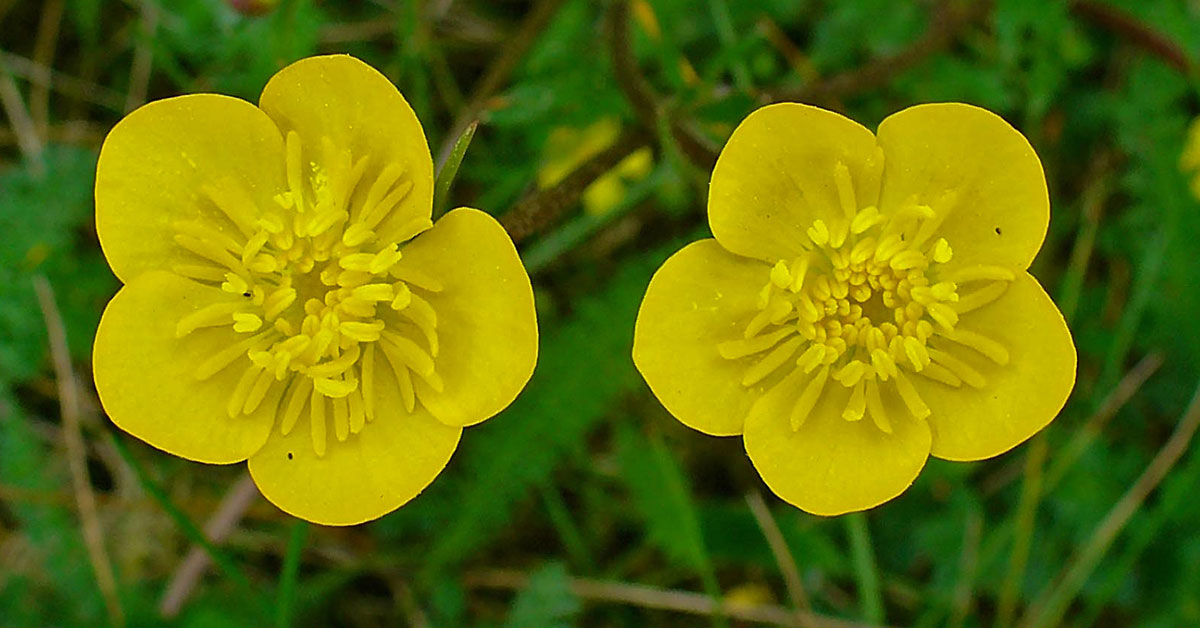

Ranunculus, commonly known as buttercup, is a beautiful flowering plant that belongs to the Ranunculaceae family. With its delicate and vibrant petals, ranunculus is a favorite among gardeners and florists alike.
This stunning flower comes in a variety of colors, including pink, red, yellow, and white, making it a versatile choice for any garden or floral arrangement. We’ll take a closer look at the history, care, and symbolism behind this beloved flower.
What is a Ranunculus?
Ranunculus is a beautiful flowering plant that belongs to the family Ranunculaceae. It is also commonly known as the buttercup. Ranunculus is native to Asia and Europe, but now it is grown all over the world. It is a herbaceous perennial plant that grows up to 60 cm in height. Ranunculus is widely popular for its attractive, brightly colored flowers that bloom in the spring and summer seasons.
The flowers come in a variety of colors, including white, pink, red, yellow, and orange. Ranunculus is a favorite among gardeners, florists, and nature lovers alike. Furthermore, its beauty and versatility make it a popular choice for gardens, floral arrangements, and home decor.
Where is Ranunculus native?
Ranunculus, also known as the buttercup, is a genus of flowering plants that belongs to the Ranunculaceae family. These beautiful flowers are widely cultivated and admired for their colorful petals and delicate appearance.
Ranunculus is native to many parts of the world, including Europe, Asia, and North America. In North America, these flowers can be found in many regions, from the eastern United States to the western states of California, Oregon, and Washington. They are also found in parts of Canada and Mexico.
In the United States, Ranunculus can be found in several states, including California, Oregon, Washington, Colorado, Utah, Montana, and Wyoming. In these states, they are commonly found in meadows, fields, and along riverbanks.
However, it is important to note that many varieties of Ranunculus have been introduced and are now cultivated in other parts of the world. Additionally, these cultivated varieties are often used in ornamental gardens, floral arrangements, and as cut flowers.
This is a versatile flower that is appreciated for its beauty and charm. Whether found in nature or in a carefully cultivated garden, these flowers are sure to delight and captivate anyone who beholds them.
How to start from seed
If you’re a gardening enthusiast, you’ll know that starting plants from seed is an exciting and rewarding experience. Ranunculus are a popular choice for gardeners who want to add a splash of color to their garden beds and borders. If you’re interested in starting your own from seed, here’s a step-by-step guide to help you get started.
- Choose your seeds
The first step to starting Ranunculus from seed is to choose the right seeds. You can purchase Ranunculus seeds from your local garden center or online. Look for seeds that are fresh and of high quality. - Prepare your soil
Ranunculus prefers well-draining soil, so it’s important to prepare your soil before planting your seeds. Mix in some compost or organic matter to improve the soil’s fertility and drainage. - Plant your seeds
Ranunculus seeds are small and delicate, so it’s important to handle them with care. Plant your seeds about 1/4 inch deep in the soil, and space them about 6 inches apart. Water your seeds gently, being careful not to displace them. - Provide the right conditions
Ranunculus seeds need plenty of light and warmth to germinate. Place your seed tray in a warm, sunny spot, and keep the soil moist but not waterlogged. You can cover your seed tray with plastic wrap to help retain moisture. - Transplant your seedlings
Once your Ranunculus seedlings have grown to about 2 inches tall, they’re ready to be transplanted into your garden. Choose a sunny spot with well-draining soil, and space your seedlings about 6 inches apart. - Care for your Ranunculus
Ranunculus prefer moist, well-draining soil and plenty of sunlight. Water your plants regularly, and fertilize them with a balanced fertilizer every few weeks. Remove any dead or damaged leaves to keep your plants looking their best.
How to grow this plant in your garden
Ranunculus is a gorgeous flowering plant that blooms in the spring and early summer. Their vibrant colors and delicate petals make them a favorite among gardeners and florists alike. If you’re interested in growing Ranunculus in your own garden, here are some tips to help you get started.
Choose the Right Location: Ranunculus prefers to grow in full sun to partial shade. They also require well-draining soil to prevent root rot. Choose a location in your garden that receives at least six hours of direct sunlight a day and has soil that drains well.
Prepare the Soil: Before planting Ranunculus, prepare the soil by mixing in a generous amount of compost or well-rotted manure. This will help improve the soil’s texture, fertility, and drainage. You can also add a slow-release fertilizer to the soil to provide the plants with nutrients throughout the growing season.
Plant the Bulbs: Ranunculus is typically grown from bulbs, which are small, knobby structures that resemble claws. Plant the bulbs in the prepared soil with the claws facing down and cover them with about two inches of soil. Space the bulbs about six inches apart to allow for proper growth.
Water Regularly: Keep the soil moist but not waterlogged while the Ranunculus is growing. Water deeply once a week or more often if the soil dries out quickly. Avoid getting water on the leaves and flowers, as this can lead to fungal infections.
Provide Support: As it grows, it may need support to prevent the flowers from bending or breaking. You can use stakes or trellises to provide support or plant the bulbs near a fence or wall that will provide natural support.
Harvest the Flowers: Ranunculus blooms in the spring and early summer, and the flowers are perfect for cutting and using in floral arrangements. When the flowers are fully open, cut them with a sharp pair of scissors or pruning shears and place them in a vase of water. To encourage more blooms, deadhead the spent flowers regularly.
Interesting facts about Ranunculus
Ranunculus is a genus of flowering plants that belongs to the family Ranunculaceae. It consists of around 600 species of annuals and perennials that are native to various regions across the world, including Asia, Europe, and North America. Ranunculus is a popular flower that is widely used in gardens, floral arrangements, and weddings. Here are some interesting facts about this beautiful flower:
- Ranunculus is also known as the Persian buttercup because it is native to the eastern Mediterranean region, including Iran and Iraq.
- The name Ranunculus is derived from the Latin word ‘rana’, which means frog. This is because Ranunculus plants are often found growing near water, which is also a habitat for frogs.
- The flowers come in a wide range of colors, including white, yellow, orange, pink, red, and purple. They also have a variety of shapes, ranging from cup-shaped to double-flowered.
- The blooms are known for their delicate petals, which are often compared to tissue paper. They have a soft, velvety texture and a bright, cheerful appearance.
- Ranunculus is a popular flower for weddings and other special events because of its beauty and versatility. It can be used in bouquets, centerpieces, and other floral arrangements to add color and texture.
- It is also a popular flower for gardeners because it is easy to grow and care for. It prefers well-drained soil and full sun to partial shade.
They are a fascinating flower that is beloved by gardeners, florists, and flower enthusiasts around the world. Its wide range of colors and shapes, delicate petals, and easy care make it a popular choice for any occasion.