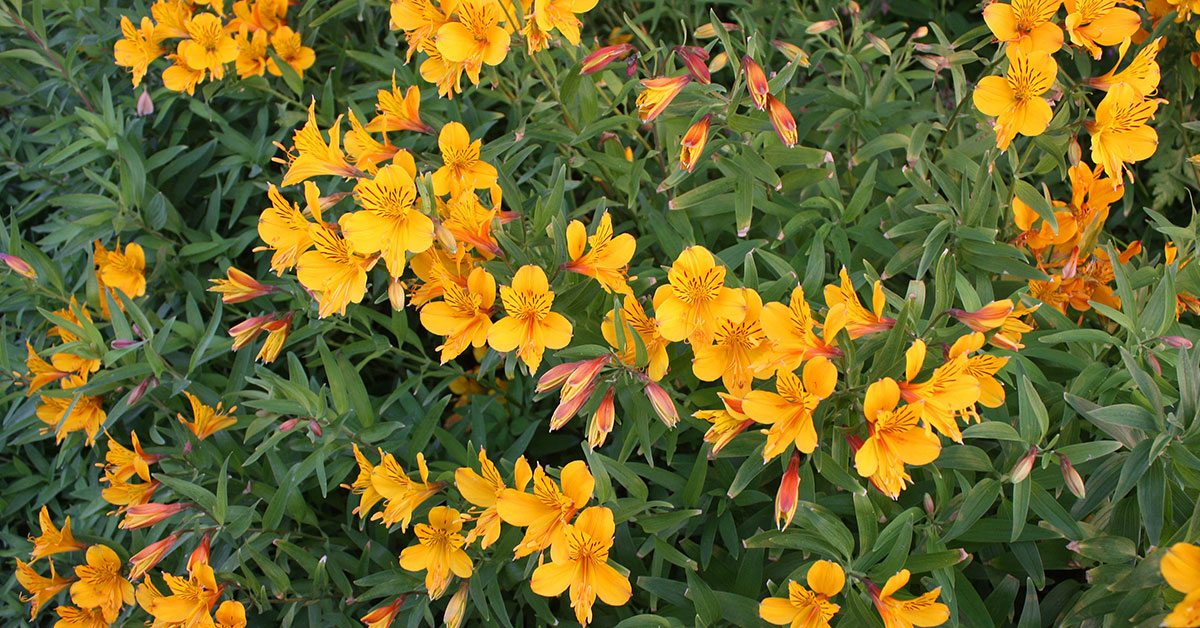

Sticky Monkeyflower, also known as Diplacus aurantiacus, is a beautiful and unique plant native to California. Its vibrant orange and yellow flowers attract pollinators such as hummingbirds and bees, making it an important part of the ecosystem.
This plant has been used for medicinal purposes by Native Americans for centuries and is still widely used today in herbal remedies. With its stunning appearance and cultural significance, Sticky Monkeyflower is a fascinating plant to learn about and appreciate.
What is a Sticky Monkeyflower?
The sticky Monkeyflower is a beautiful, flowering plant that belongs to the Figwort family. It is native to California and can be found in various habitats such as open woodlands, chaparral, and coastal sage scrub.
The plant is named after its bright orange or yellow flowers that resemble the face of a monkey. The name “sticky” comes from the glandular hairs on the plant’s leaves and stems that exude a sticky substance. This substance helps the plant to retain moisture and also protects it from herbivores. Sticky Monkeyflower is a popular plant among gardeners due to its stunning flowers and ease of cultivation.
Where is Sticky Monkeyflower native?
Sticky Monkeyflower (Diplacus aurantiacus) is a beautiful flowering plant native to the western United States and parts of Mexico. It is commonly found in the coastal and inland regions of California, as well as southern Oregon, western Nevada, and northern Baja California.
This plant is well adapted to the dry climates of its native range and can be found growing in a variety of habitats, including chaparral, coastal sage scrub, and oak woodlands. It is often found growing on rocky slopes, in canyons, and along roadsides.
Sticky Monkeyflower has also been introduced to other regions of the world, including Australia, New Zealand, and southern Europe. However, it is important to note that it is considered an invasive species in some of these areas and can negatively impact native plant communities.
The sticky monkeyflower is a beautiful and important plant species that play an important role in the ecology of its native range. Its bright orange flowers and unique sticky leaves make it a popular choice for gardeners and plant enthusiasts alike.
How to start this plant from seed
Sticky Monkeyflower is a popular California native plant that is loved for its bright orange and yellow flowers. If you are interested in growing this plant from seed, here are some steps to get you started:
- Collect Seeds: Collect the seeds from a mature Sticky Monkeyflower plant. The seeds are small and can be found in the dried flower heads. Be sure to collect seeds from multiple plants to increase genetic diversity.
- Prepare Soil: Choose a well-draining soil mix and fill a small container or seed tray with soil. Make sure the container has drainage holes to prevent waterlogging.
- Sow Seeds: Sprinkle the Sticky Monkeyflower seeds on top of the soil and lightly press them down. Do not bury the seeds too deep as they need light to germinate.
- Water: Water the soil gently, being careful not to wash away the seeds. Keep the soil moist but not waterlogged.
- Provide Light: Sticky Monkeyflower seeds need light to germinate, so place the container in a bright location with indirect sunlight.
- Germination: The seeds should germinate in 10-14 days. Once the seedlings have emerged, move the container to a brighter location with direct sunlight.
- Transplant: When the seedlings have developed their second set of leaves, they can be transplanted into larger containers or into the garden. Be sure to harden off the seedlings before planting them outside.
How to grow this plant
Sticky Monkeyflower is a beautiful flowering plant that is native to California. It is also known as Orange Bush Monkeyflower, Orange Diplacus, and Sticky Snapdragon. The plant is a member of the Phrymaceae family and is commonly found in rocky or sandy soils in the wild. If you’re interested in adding Sticky Monkeyflower to your garden, here is a guide on how to grow it:
- Soil: Sticky Monkeyflower grows well in well-draining soil that is slightly acidic. The ideal pH for the plant is between 6.0 and 7.0. If your soil is too alkaline, you can lower the pH by adding sulfur or aluminum sulfate.
- Sunlight: Sticky Monkeyflower thrives in full sun to partial shade. It needs at least 6 hours of direct sunlight per day to bloom properly.
- Water: The plant requires moderate watering. It is best to water it deeply once or twice a week rather than shallow watering frequently. Water the plant at the base to avoid getting the leaves wet, as this can lead to fungal diseases.
- Fertilizer: It does not need a lot of fertilizer. Applying a slow-release fertilizer once a year in the spring is enough to provide the plant with the nutrients it needs to thrive.
- Pruning: Prune Sticky Monkeyflower in the early spring to promote bushier growth and to remove any dead or damaged branches. You can also deadhead the plant after it has finished blooming to encourage more flowers.
- Propagation: You can propagate this plant by taking stem cuttings in the spring or fall. Dip the cuttings in rooting hormone and plant them in well-draining soil. Keep the soil moist and the cutting in a shaded area until it has established roots.
Sticky Monkeyflower is a hardy and easy-to-grow plant that is perfect for adding some color to your garden. With the right soil, sunlight, water, and care, you can enjoy its beautiful blooms year after year.
Interesting facts about Sticky Monkeyflower
The sticky Monkeyflower is a beautiful flowering plant belonging to the Phrymaceae family. Here are some interesting facts about this lovely plant:
- Endemic to California: Sticky Monkeyflower is a native plant of California, and it is found in various parts of the state, including the Sierra Nevada Mountains, the Mojave Desert, and the coastal ranges.
- Attractive flowers: Sticky Monkeyflower produces stunning flowers that come in a range of vibrant colors, including yellow, orange, red, and pink. The flowers bloom in clusters and have a unique shape that resembles the face of a monkey, which is how the plant got its name.
- Pollinator magnet: They are a popular plant among pollinators, including bees, butterflies, and hummingbirds. The plant produces nectar, which attracts these pollinators, making it an essential plant for maintaining a healthy ecosystem.
- Easy to grow: It is a hardy plant that is easy to grow and maintain. The plant prefers well-drained soil and full sun but can also tolerate partial shade. It is also drought-tolerant, making it an excellent choice for gardeners looking for low-maintenance plants.
It is a beautiful, versatile, and easy-to-grow plant that has many interesting facts. Whether you’re a gardener or a nature lover, this plant is sure to add color and vibrancy to any setting.