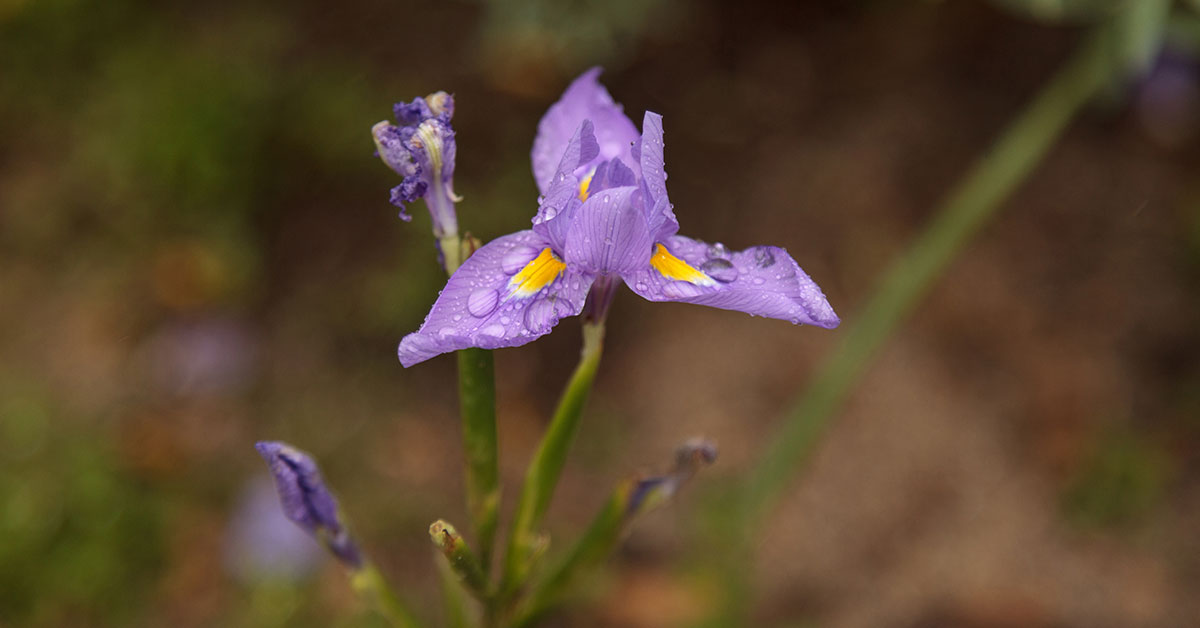

The Douglas Iris is a stunning native wildflower that is found in abundance along the Pacific Coast of North America, from British Columbia to California. With its beautiful blue-purple flowers and distinctive yellow crest, this iris is a favorite of gardeners and nature enthusiasts alike.
But the Douglas Iris is more than just a pretty face – it has a fascinating history and important ecological role in its native habitat. In this article, we will explore the many facets of the Douglas Iris, from its cultural significance to its unique adaptations and conservation status.
What is a Douglas Iris?
Douglas Iris (Iris douglasiana) is a beautiful and vibrant wildflower that is native to the coastal regions of California and Oregon. It is an incredibly popular ornamental plant, thanks to its large and showy flowers that bloom in a range of colors, including purple, blue, white, and pink.
The Douglas Iris belongs to the family Iridaceae, which includes other popular garden plants such as crocuses and gladioli. The plant grows to a height of around 1-2 feet, with slender, sword-shaped leaves that measure around 1-3 feet long. The flowers are typically around 3-4 inches wide and have six petal-like segments known as tepals.
One of the most distinctive features of the Douglas Iris is its ability to grow in a variety of soil types, including sandy, loamy, and clay soils. It thrives in full sun to partial shade, making it a versatile addition to any garden.
In the wild, the Douglas Iris can be found growing in a range of habitats, including grasslands, meadows, and open woodlands. Furthermore, it is an important food source for a variety of pollinators, including bees, butterflies, and hummingbirds.
Douglas Iris is a stunning and hardy plant that is well-suited to the Pacific Northwest climate. Whether you’re looking to add some color to your garden or just appreciate the beauty of native wildflowers, the Douglas Iris is definitely worth considering.
Where is Douglas Iris’s native?
Douglas Iris is a beautiful plant that is native to the western coast of North America. Specifically, Douglas Iris can be found in the states of California, Oregon, and Washington, as well as in the province of British Columbia, Canada.
This plant thrives in a variety of habitats, including meadows, grasslands, and coastal bluffs. It can also be found growing along roadsides and in disturbed areas.
Historically, the Douglas Iris was an important plant for Native American tribes in the Pacific Northwest. Additionally, it was used in a variety of ways, including as a food source, a medicine, and for ceremonial purposes.
Today, the Douglas Iris is a popular ornamental plant that is grown in gardens and natural areas throughout its native range. Its striking purple-blue flowers and attractive foliage make it a favorite among gardeners and landscapers alike.
How to start from seeds
If you’re looking to start growing from seed, there are a few things you should know to increase your chances of success. Here are some steps to follow:
- Collect Seeds:
The first step is to collect the seeds from a mature Douglas Iris plant. The best time to collect them is in late summer or early fall when the seed heads are dry and brown. Use a pair of scissors or pruning shears to cut the seed heads from the plant. - Prepare Soil:
Choose a well-draining soil mix and fill a container with it. Make sure the container has drainage holes at the bottom. Water the soil so that it’s moist but not waterlogged. - Sow Seeds:
Sprinkle the seeds over the soil surface and press them lightly into the soil. Don’t bury them too deep. Cover the container with plastic wrap or a lid to create a humid environment. Place the container in a warm place with indirect sunlight. - Water Regularly:
Keep the soil moist but not waterlogged. Water the container whenever you notice the soil is dry. Use a spray bottle to mist the soil surface if necessary. - Monitor Growth:
After a few weeks, you should start to see tiny green sprouts emerging from the soil. Remove the plastic wrap or lid and continue to water regularly. When the seedlings are a few inches tall, you can transplant them into individual pots or directly into the ground. - Transplanting:
When the seedlings have grown to a size of about 2 to 3 inches, they are ready to be transplanted. Choose a location with well-draining soil and partial shade. Dig a hole that’s slightly larger than the seedling’s root ball and gently place the seedling in it. Cover the roots with soil and press down lightly. Water the plant thoroughly.
With these steps, you can start growing Douglas Iris from seed and enjoy their beautiful blooms in your garden. Remember to be patient, as it can take up to two years for the plant to mature and produce flowers.
How to grow
Douglas Iris is a beautiful and popular flower species native to the western United States. It is known for its striking blue and purple flowers that bloom in the spring. If you are interested in growing Douglas Iris in your garden, here are some tips to get you started:
Choose the Right Location
Douglas Iris prefers to grow in a location that receives full sun to partial shade. It also prefers well-draining soil that is rich in organic matter. Make sure to choose a location that meets these requirements.
Planting
The best time to plant Douglas Iris is in the fall or early winter. Start by digging a hole that is twice the size of the root ball. Place the plant in the hole, making sure that the top of the root ball is level with the ground. Water the plant well after planting.
Watering
They require regular watering, especially during the first year after planting. Make sure to keep the soil moist but not waterlogged. During the summer months, you may need to water the plant more frequently to prevent the soil from drying out.
Fertilizing
Douglas Iris does not require a lot of fertilizer, but you can use a balanced fertilizer in the spring and fall to help promote growth and flowering. Make sure to follow the instructions on the fertilizer package.
Pruning and deadheading
After the flowers have faded, you can remove the spent flower stalks. You may also need to prune the plant to remove any dead or diseased leaves or stems.
Interesting facts about Douglas Iris
Douglas iris is a beautiful, native perennial plant species that is commonly found in the western part of North America. Here are some interesting facts that you might not know.
- Endemic to California and Oregon: The Douglas iris is native to California and Oregon and grows in a wide range of habitats, including coastal prairies, oak woodlands, and coniferous forests. It is the official flower of the city of San Francisco.
- Unique flower design: The flowers of the Douglas iris are unique in their design, with three petals and three sepals that are similar in shape and size. The flowers range in color from pale blue to deep violet, and they bloom from March to May.
- Pollination: The Douglas iris is pollinated by insects, such as bees and butterflies, and is an important food source for native pollinators. Its seeds are dispersed by ants, which carry them back to their nests and help to spread the plant.
- Medicinal uses: The Douglas iris has been used for medicinal purposes by Native American tribes for centuries. The roots and bulbs of the plant contain compounds that have been used to treat a variety of ailments, including stomach and digestive issues.
- Endangered species: The Douglas iris is considered an endangered species in some parts of its range due to habitat loss and fragmentation. Efforts are being made to conserve the plant and its habitat, including habitat restoration and protection programs.
Douglas iris is a fascinating and beautiful plant species that is native to California and Oregon. Its unique flower design, importance to pollinators, medicinal uses, and endangered status make it an important plant to protect and conserve.