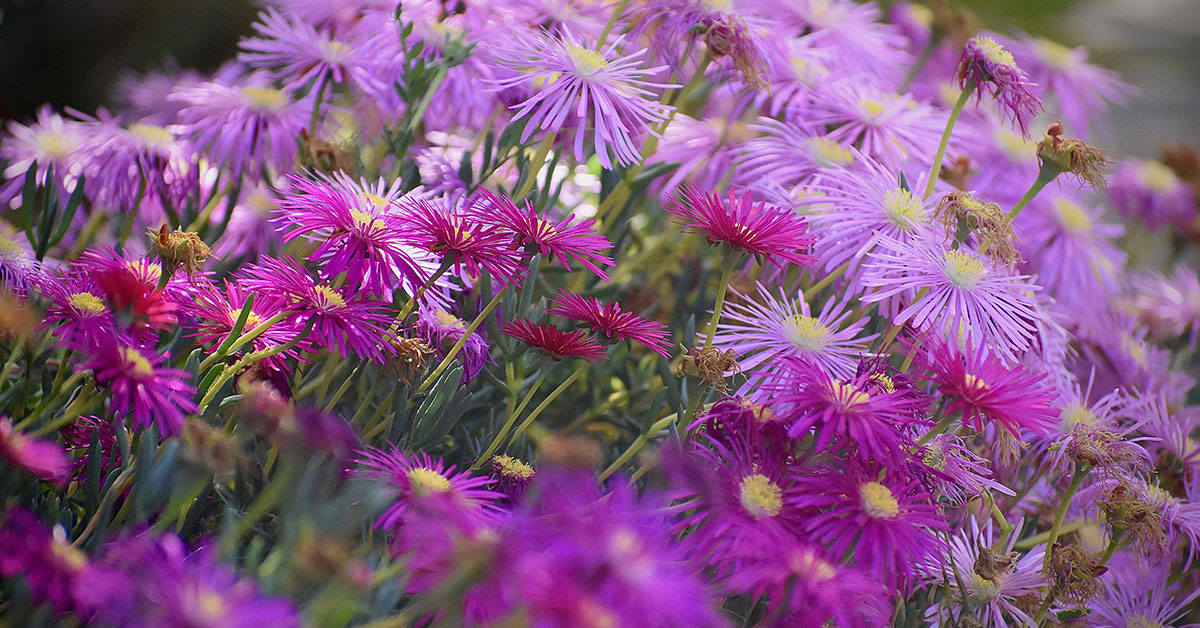

The California Aster, scientifically known as Symphyotrichum chilense, is a stunning wildflower that grows in the western United States.
It is a member of the Asteraceae family, which is one of the largest plant families in the world. This beautiful and vibrant plant is native to California, and it is commonly found in open meadows, grasslands, and along roadsides.
The California Aster is a true symbol of the natural beauty that can be found in California and the western United States. We will explore the fascinating characteristics of the California Aster and why it is such an important part of the region’s ecology.
What is a California Aster?
California Aster is a beautiful flowering plant that is native to California and can be found in many other parts of the United States. The plant belongs to the Asteraceae family and is also commonly known as the Pacific aster or white aster. It is a herbaceous perennial that typically grows up to 3 feet tall and blooms from late summer to early fall.
The California Aster is characterized by its beautiful flowers that are about 1 inch in diameter and have white to pale lavender petals. The flowers are arranged in clusters at the end of stems and are surrounded by a ring of small, green bracts. The leaves of the plant are narrow and lance-shaped, and they have a slightly hairy texture.
It is an important plant for pollinators, as it attracts a variety of bees, butterflies, and other insects. It is also a popular choice for gardeners who want to add some color and texture to their landscape. The plant is easy to grow and maintain, and it can thrive in a variety of soil types and growing conditions.
California Aster is a beautiful and versatile plant that is well-suited for a variety of landscaping and gardening purposes. Its attractive flowers and ability to attract pollinators make it a valuable addition to any garden or natural area.
Where is California Aster native?
California Aster is a native wildflower found in western North America. Specifically, it is native to the California Floristic Province, which encompasses parts of California, Oregon, and Nevada. In California, it can be found in the central and southern parts of the state, from the coast to the Sierra Nevada mountains.
In addition to California, this plant is also found in other western states including Oregon, Nevada, Arizona, and New Mexico. It prefers growing in open areas such as meadows, fields, and along roadsides. It is known to thrive in areas with full sun exposure and well-drained soils.
While California Aster is primarily found in the western United States, it has been introduced to other parts of the country and can be found in some eastern states as well. However, it is important to note that it is a native species and should be protected and preserved in its natural habitat.
How to start from seed
If you’re interested in growing California Aster from seed, there are a few steps you’ll need to follow to ensure success. Here’s a brief guide to get you started:
Collect seeds: The first step is to collect seeds from a mature California Aster plant. You can do this by waiting until the flowers have finished blooming and the seed heads have formed. Once the seed heads have dried out and turned brown, carefully remove them from the plant and collect the seeds.
Prepare soil: California Aster prefers well-draining soil that is rich in organic matter. To prepare your soil for planting, mix in compost or other organic matter to improve soil quality.
Sow seeds: Once your soil is ready, it’s time to sow your seeds. Scatter the seeds evenly over the soil surface and cover with a thin layer of soil. Water gently to ensure the soil is moist but not waterlogged.
Care for seedlings: The seeds typically germinate within 2-4 weeks. Once your seedlings have emerged, thin them out so that they are spaced about 6 inches apart. Water regularly, but be careful not to overwater as this can lead to root rot.
Transplant: Once your seedlings have grown to about 3-4 inches tall, they can be transplanted into their final growing location. Choose an area that receives full sun and has well-draining soil. Space your plants about 12-18 inches apart to allow for proper growth.
Maintenance: This plant is a relatively low-maintenance plant, but it does require some care to thrive. Water regularly, especially during hot, dry weather. Deadhead spent flowers to encourage new blooms. You can also pinch back the stems to promote bushier growth.
How to grow
California Aster is a beautiful perennial flower that is native to the western United States. It is a hardy plant that can tolerate a variety of soil conditions and is relatively easy to grow. Here are some tips on how to grow California Aster:
- Choose the right location: California Aster prefers full sun to partial shade and well-drained soil. It can grow in a variety of soil types, but prefers sandy or loamy soil. Make sure the location you choose has good air circulation to prevent fungal diseases.
- Prepare the soil: Before planting, loosen the soil to a depth of 12-18 inches and remove any weeds or debris. Add compost or other organic matter to improve soil fertility and drainage.
- Plant the seeds or seedlings: California Aster can be grown from seeds or seedlings. If planting seeds, sow them directly in the ground in the spring or fall. If using seedlings, plant them in early spring or late fall. Space the plants about 12-18 inches apart.
- Water regularly: California Aster needs regular watering, especially during dry spells. Water deeply, but avoid getting the leaves wet to prevent fungal diseases.
- Fertilize sparingly: California Aster does not require a lot of fertilizer. A light application of a balanced fertilizer in the spring is sufficient.
- Prune as needed: California Aster can become leggy if not pruned regularly. Cut back the stems by about half in the early spring to encourage bushier growth and more flowers.
Interesting facts about California Aster
- California Aster is a native plant of California and can be found in the wild across the state. It is also commonly known as Chilean Aster due to its origins in Chile.
- The plant belongs to the Asteraceae family and is a perennial herb that grows up to 3 feet tall.
- California Aster is known for its beautiful purple flowers that bloom in the fall and can last up to a month. The flowers are about an inch in diameter with yellow centers.
- The plant is a host to many insects, including bees and butterflies, which play an important role in pollinating the flowers.
- California Aster is also known for its medicinal properties. Native Americans used it to treat respiratory ailments, fever, and stomach problems.
- The plant is easy to grow and requires minimal maintenance. It prefers full sun to partial shade and well-drained soil.
- California Aster is a great addition to any garden or landscape, as it adds a pop of color in the fall and attracts beneficial insects.
- The plant is also used in the floral industry, as its flowers are long-lasting and can be used in bouquets and arrangements.
- California Aster is an important part of the California ecosystem and plays a vital role in maintaining the balance of the environment.
- Due to its popularity, California Aster is now being cultivated in other parts of the world, but it is important to ensure that it is not invasive and does not disrupt the natural ecosystem.