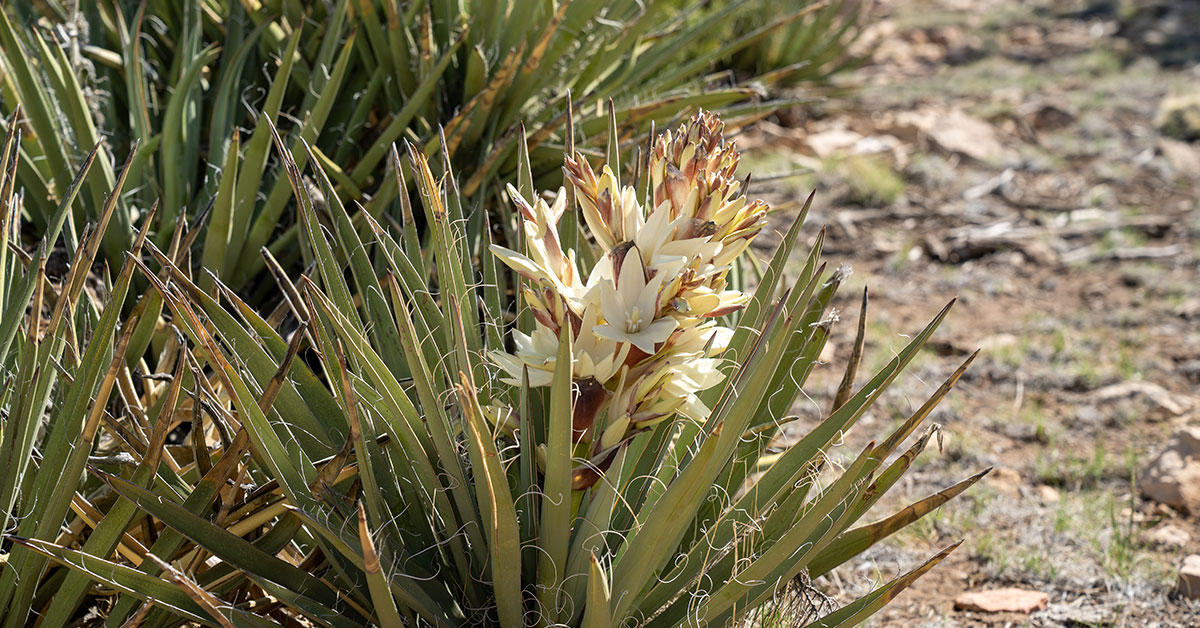

Yucca, a plant genus comprising around 40 to 50 species, is a member of the Agavaceae family and is native to the arid regions of North and Central America. Known for their striking appearance, yuccas have sword-like leaves that are often sharp and pointed, and they can grow up to several meters in height. Yuccas are also known for their hardiness and resilience, making them a popular choice for landscaping and gardening in dry and hot climates. In this article, we will explore the fascinating world of yuccas, examining their unique characteristics, uses, and care requirements.
What is a Yucca?
Yucca (Yucca spp.) is a genus of perennial shrubs and trees that are native to hot and arid regions of North, Central, and South America. These plants are known for their unique and striking appearance, with long, sword-shaped leaves that grow in a rosette formation and tall, spiky flower stalks that can reach up to 30 feet in height.
There are more than 40 species of Yucca, each with its own distinct characteristics and growing requirements. Some of the most well-known species include the Joshua tree (Yucca brevifolia), Spanish dagger (Yucca gloriosa), and banana yucca (Yucca baccata).
Yucca plants are an important part of many desert and arid ecosystems, providing food and shelter for a variety of animals, including birds, bats, and small mammals. They are also highly valued for their ornamental value, with many species being grown as landscaping plants in gardens and parks around the world.
Overall, Yucca plants are fascinating and beautiful additions to any landscape, and their unique appearance and adaptability make them a popular choice for gardeners and plant enthusiasts alike.
Where are Yucca native?
Yucca (Yucca spp.) is a plant genus consisting of over 40 species, most of which are native to North and Central America. The plant is commonly found in arid and semi-arid regions and can thrive in both cold and hot climates.
It is a prominent plant in the southwestern United States, particularly in the states of Arizona, New Mexico, Texas, and Nevada. It is also found in California, Utah, and Colorado. Many species of yucca are also native to Mexico, where the plant has cultural and historical significance.
The plant is known for its resilience and ability to thrive in harsh conditions. Yucca plants have adapted to their environments by developing deep roots to access water from underground sources and by storing water in their thick, fleshy leaves.
In addition to its natural habitat, yucca is also commonly grown as an ornamental plant in gardens and landscapes. Its unique appearance and low maintenance needs make it a popular choice for homeowners looking to add a touch of southwestern flair to their outdoor spaces.
How to start Yucca seeds
Yucca plants are a popular choice for gardeners due to their unique appearance and low maintenance requirements. If you’re interested in growing yucca from scratch, starting from seed is a great way to get started. Here’s how to do it:
- Gather your materials: You’ll need seeds, a seed tray, seed-starting soil, and a watering can.
- Prepare your tray: Fill your seed tray with seed-starting soil, leaving about 1/4 inch of space at the top.
- Plant your seeds: Yucca seeds are small and black, so use care when handling them. Plant each seed about 1/4 inch deep in the soil, spacing them at least an inch apart.
- Water your seeds: Use a watering can to gently water your seeds, being careful not to disturb them. Make sure the soil is evenly moist, but not soaking wet.
- Cover your tray: Cover your seed tray with plastic wrap or a clear plastic lid to create a greenhouse effect and help keep the soil moist.
- Provide light: Yucca seeds need plenty of light to germinate, so place your seed tray in a bright, sunny location.
- Monitor your seeds: Keep a close eye on your seed tray, checking it daily for signs of growth. The seeds can take anywhere from two weeks to three months to germinate, so be patient.
- Transplant your seedlings: Once your seedlings have grown to a few inches tall and have developed a few leaves, they’re ready to be transplanted into individual pots. Use a well-draining potting soil and place your yucca seedlings in a sunny location.
With a little patience and care, you can successfully start yucca from seed and enjoy these unique and striking plants in your garden.
How to grow
Yucca is a genus of perennial shrubs and trees that belong to the family Asparagaceae. These plants are native to hot and dry regions of North, Central, and South America. They are known for their sword-shaped leaves and showy flower spikes that bloom in summer. Yucca plants are easy to grow and maintain, making them a popular choice for gardens and landscapes.
If you are planning to grow Yucca in your garden, here are some tips that will help you get started:
Choose the right location
Yucca plants prefer full sun and well-draining soil. They can tolerate a wide range of soil types, including sandy, loamy, and rocky soils. However, they don’t like wet or soggy soil, so make sure the area you choose has good drainage.
Planting
Plant your Yucca in the spring or fall. Dig a hole that is slightly larger than the root ball and place the plant in the hole. Fill the hole with soil and firmly pack it down to remove any air pockets. Water the plant well and add a layer of mulch around the base to help retain moisture.
Watering
They are drought-tolerant and don’t require frequent watering. Water them deeply once a week during the growing season and reduce watering during the winter months. Avoid overwatering, as this can cause root rot and other problems.
Fertilizing
These plants don’t require a lot of fertilizer, but they will benefit from a slow-release fertilizer in the spring. Avoid using high-nitrogen fertilizers, as this can cause the plant to produce more leaves than flowers.
Pruning
They plants don’t require much pruning, but you can remove any dead or damaged leaves to keep the plant looking neat. You can also trim the flower stalks after they have finished blooming.
By following these basic tips, you can easily grow your plants in your garden or landscape. These plants are low-maintenance and can add a unique and exotic touch to any outdoor space.
Interesting facts
Yucca (Yucca spp.) is a genus of perennial shrubs and trees native to the arid regions of North and Central America. The plants are known for their striking, sword-like leaves and showy, bell-shaped flowers. While many people are familiar with yucca as an ornamental plant, there are some interesting facts about this desert-dwelling genus that may surprise you.
- Yucca plants are named after the Spanish word for “candle.” This is a reference to the plants’ tall, candle-like flower stalks that can reach up to 20 feet in height.
- Some species have a symbiotic relationship with yucca moths. The moths pollinate the plants while laying their eggs inside the yucca flowers. The hatched larvae feed on some of the developing seeds, but leave enough for the plant to reproduce.
- The plant has a long history of use by Native American tribes. The roots, leaves, and flowers were used for a variety of medicinal purposes, as well as for making baskets, clothing, and soap.
- Yucca plants are incredibly resilient. They are able to survive in hot, dry conditions with little water and are often used in xeriscaping, a landscaping technique that emphasizes water conservation.
- They are also known for their edible fruit. The fruit is typically dry and fibrous, but can be roasted or boiled to make a sweet, starchy food.
Overall, yucca is a fascinating and versatile plant genus with a rich history and many interesting adaptations. Whether you are looking for a striking addition to your garden or a unique ingredient for your next meal, yucca is definitely worth exploring.