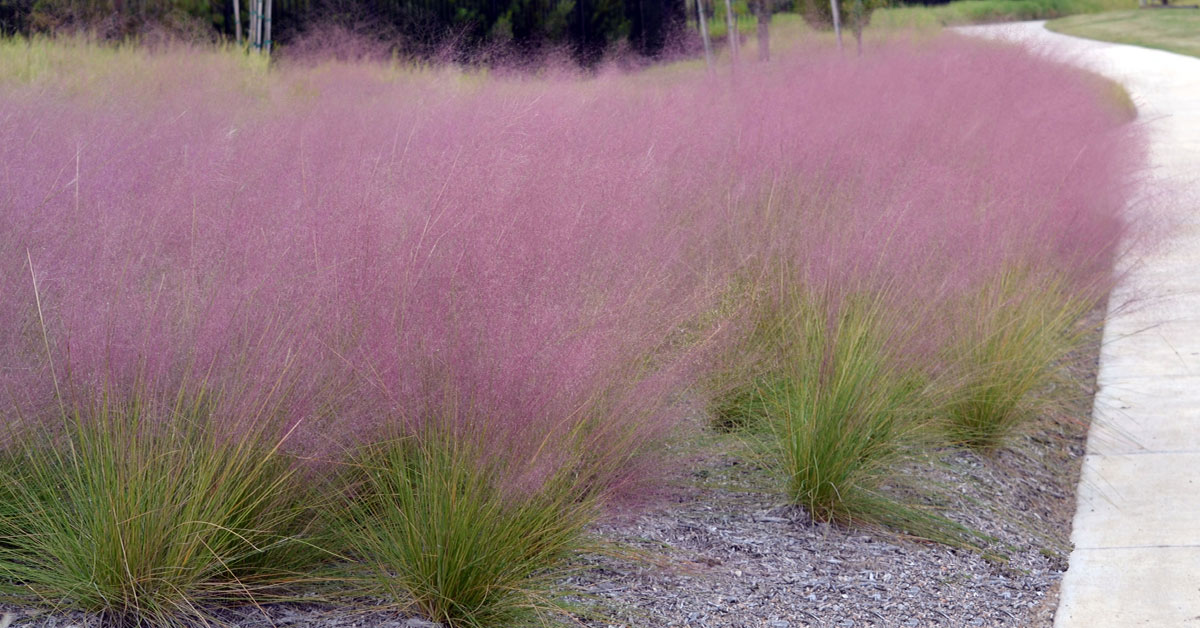

Gulf Coast Muhly (Muhlenbergia capillaris) is a stunning ornamental grass that is native to the southeastern United States. This grass is known for its pinkish-purple plumes that rise above its green foliage in the fall, creating a beautiful contrast in any landscape. Gulf Coast Muhly is a hardy plant that is easy to care for, making it a popular choice for gardeners and landscapers alike. In this article, we will explore the many benefits of this plant and provide tips for growing and maintaining it in your garden.
What is a Gulf Coast Muhly?
Muhlenbergia capillaris is a type of ornamental grass that is native to the southeastern United States. It is commonly found in coastal areas from Florida to Texas, and is known for its stunning pink to purple plumes that appear in the fall. This grass is often used in landscaping and gardening for its unique and eye-catching appearance.
Gulf Coast Muhly is a clumping grass that typically grows to be about 3-4 feet tall and 2-3 feet wide. It has thin, wiry blades that are a bright green color, and in late summer, it produces airy, delicate seed heads that are fluffy and pinkish-purple in color. These seed heads can persist well into the winter months, providing interest and texture to the landscape.
This grass is particularly well-suited to coastal regions, as it is tolerant of salt spray and can handle periods of drought and high humidity. It is also relatively low-maintenance, requiring only occasional watering and pruning to keep it looking its best.
If you are looking for a unique and beautiful addition to your garden or landscape, Muhlenbergia capillaris is definitely worth considering. Not only is it visually striking, but it is also easy to care for and can thrive in a variety of conditions.
Where is Gulf Coast Muhly native?
Gulf Coast Muhly (Muhlenbergia capillaris) is a native grass species in the southeastern United States. It is commonly found in states such as Florida, Georgia, Louisiana, Mississippi, North Carolina, South Carolina, and Texas.
In these states, Muhlenbergia capillaris can be found growing in a variety of habitats, including coastal dunes, marshes, wetlands, and pine savannas. It is a hardy and adaptable species, able to grow in a range of soil types and moisture conditions.
Despite being native to the Gulf Coast region, Gulf Coast Muhly has become a popular ornamental grass in gardens and landscaping projects across the United States. Its striking pink or purple plumes add a unique and attractive element to any landscape.
Overall, Muhlenbergia capillaris is an important and versatile species, both in its native range and beyond. Its ability to thrive in a range of conditions make it a valuable addition to any landscape, while its ecological importance in the southeastern United States cannot be overstated.
How to start Gulf Coast Muhly seeds
Gulf Coast Muhly (Muhlenbergia capillaris) is a beautiful ornamental grass that is native to the southeastern United States. It thrives in hot and humid weather and produces pinkish-purple blooms in the fall. If you are interested in growing Gulf Coast Muhly in your garden, starting from seed is an easy and cost-effective way to get started.
Here are the steps to starting Gulf Coast Muhly from seed:
- Collect Seeds: Collect the seeds in the fall when the plant produces blooms. The seeds will be small and black.
- Prepare Soil: Muhlenbergia capillaries well-drained soil and full sun exposure. Prepare the soil by removing any weeds or debris and add compost or organic matter to improve the soil.
- Sow Seeds: Spread the seeds evenly over the prepared soil and cover with a thin layer of soil. Water the area gently to avoid disturbing the seeds.
- Provide Water: Keep the soil moist but not waterlogged. Water regularly until the seeds germinate.
- Germination: Gulf Coast Muhly seeds typically germinate within 7-21 days. Once the seedlings emerge, thin them to 6-8 inches apart.
- Transplant: When the seedlings are 4-6 inches tall, transplant them to their permanent location in your garden. Be sure to space them at least 2-3 feet apart to allow for growth.
- Maintenance: Muhlenbergia capillaris requires little maintenance once established. Water during dry spells and fertilize in the spring with a slow-release fertilizer.
Starting Muhlenbergia capillaris from seed is an easy and rewarding way to add this beautiful ornamental grass to your garden. With a little patience and care, you can enjoy the pinkish-purple blooms of Gulf Coast Muhly in your garden for years to come.
Growing & Care Guide
Muhlenbergia capillariss) is a beautiful ornamental grass that is native to the Gulf Coast regions of the United States. It is known for its pinkish-red plumes that bloom in the fall, adding a touch of color to any landscape. If you’re interested in adding Muhlenbergia capillaris to your garden, here are some tips on how to grow it successfully:
- Choose the right location: Gulf Coast Muhly prefers well-draining soil and full sun. Make sure to select a location that receives at least six hours of sunlight per day.
- Prepare the soil: Before planting, loosen the soil and remove any weeds or rocks. Amend the soil with compost or other organic matter to improve drainage and fertility.
- Planting: Plant Muhlenbergia capillaris in the early spring or fall. Dig a hole that is twice the width of the root ball and deep enough to accommodate the plant’s roots. Place the plant in the hole and backfill with soil, pressing down firmly to remove any air pockets.
- Watering: Gulf Coast Muhly is drought-tolerant once established, but it needs regular watering during the first growing season. Water deeply once a week or more if the soil is dry.
- Fertilizing: Muhlenbergia capillaris does not require fertilization, but you can apply a slow-release fertilizer in the spring to encourage growth.
- Pruning: Cut back the foliage to about six inches in late winter or early spring before new growth appears. This will help promote healthy growth and prevent the plant from becoming too leggy.
By following these tips, you can successfully grow Gulf Coast Muhly in your garden and enjoy its beautiful plumes for years to come.
Interesting facts
Gulf Coast Muhly (Muhlenbergia capillaris) is a native grass species to the southeastern United States. Here are some interesting facts about this beautiful plant that you may not know.
- Appearance: Gulf Coast Muhly is a perennial grass that grows in clumps ranging from 2 to 4 feet tall and wide. It has thin, green leaves that grow up to 2 feet long. In the fall, it produces plumes of pinkish-purple flowers that can reach up to 5 feet in height.
- Habitat: Muhlenbergia capillaris is a plant that prefers to grow in wet areas like swamps, marshes, and wetlands. It can also be found in drier habitats like open fields and along roadsides.
- Ecological Benefits: Gulf Coast Muhly serves as a key food source for a variety of wildlife, including birds and small mammals. It is also an important plant for soil stabilization, erosion control, and water quality improvement.
- Cultural Significance: Muhlenbergia capillaris has been used for centuries by Native American tribes for medicinal purposes. It is also used in traditional basket weaving due to its long, flexible leaves.
- Low Maintenance: One of the best things about Gulf Coast Muhly is that it requires very little maintenance. It is drought tolerant and does not need to be fertilized, making it an excellent choice for low-maintenance landscaping.
Overall, Gulf Coast Muhly is a beautiful and versatile plant that provides a range of benefits to both the environment and human culture. Whether you are looking to add a pop of color to your yard or improve the health of your local ecosystem, consider planting Gulf Coast Muhly.